
Trading During Market Overlaps: Is It Better?
The digital clock on my wall read 12:58 PM. I sat there watching the price chart of the EUR/USD pair drift sideways like a lazy boat on a windless lake. For over an hour, the candles barely moved, carving out a tight, frustrating range that choked my breakouts and triggered premature stop-losses. It felt like the financial world had gone to sleep.
Then the clock struck 1:00 PM.
Suddenly, the screen came alive. Massive green and red candles began violently slicing through the previous stagnation. Volume bars at the bottom of my layout spiked like an EKG readout during an adrenaline rush. The London session had officially opened while the Asian markets were wrapping up their final hours. Two distinct financial titans were rubbing shoulders, and the injection of liquidity was instantaneous.
If you have ever stared at a motionless screen wondering why your technical indicators are failing you, the answer rarely lies in the strategy itself. More often, it lies in the clock. Understanding the hidden rhythm of session-based trading completely transformed how I approach the charts. It forced me to stop viewing the market as a continuous twenty-four-hour machine and start treating it as a series of shifting tectonic plates.
The biggest question every developing retail trader must face is simple: Is trading during market overlaps actually better, or is it just a fast track to over-leveraged disaster? Let me take you through what I learned the hard way.
The Chaos and Clarity of the Overlap
When I first started out, I fell into the classic rookie trap of believing that more hours spent behind the screen equated to more money in my account. I would open positions at dawn, manage them during lunch, and attempt to scalp trends late into the night. It took a devastating string of losses to help me realize why ninety percent of traders lose money. The main reason beginners fail is that they try to force their strategies onto market environments that cannot support them.
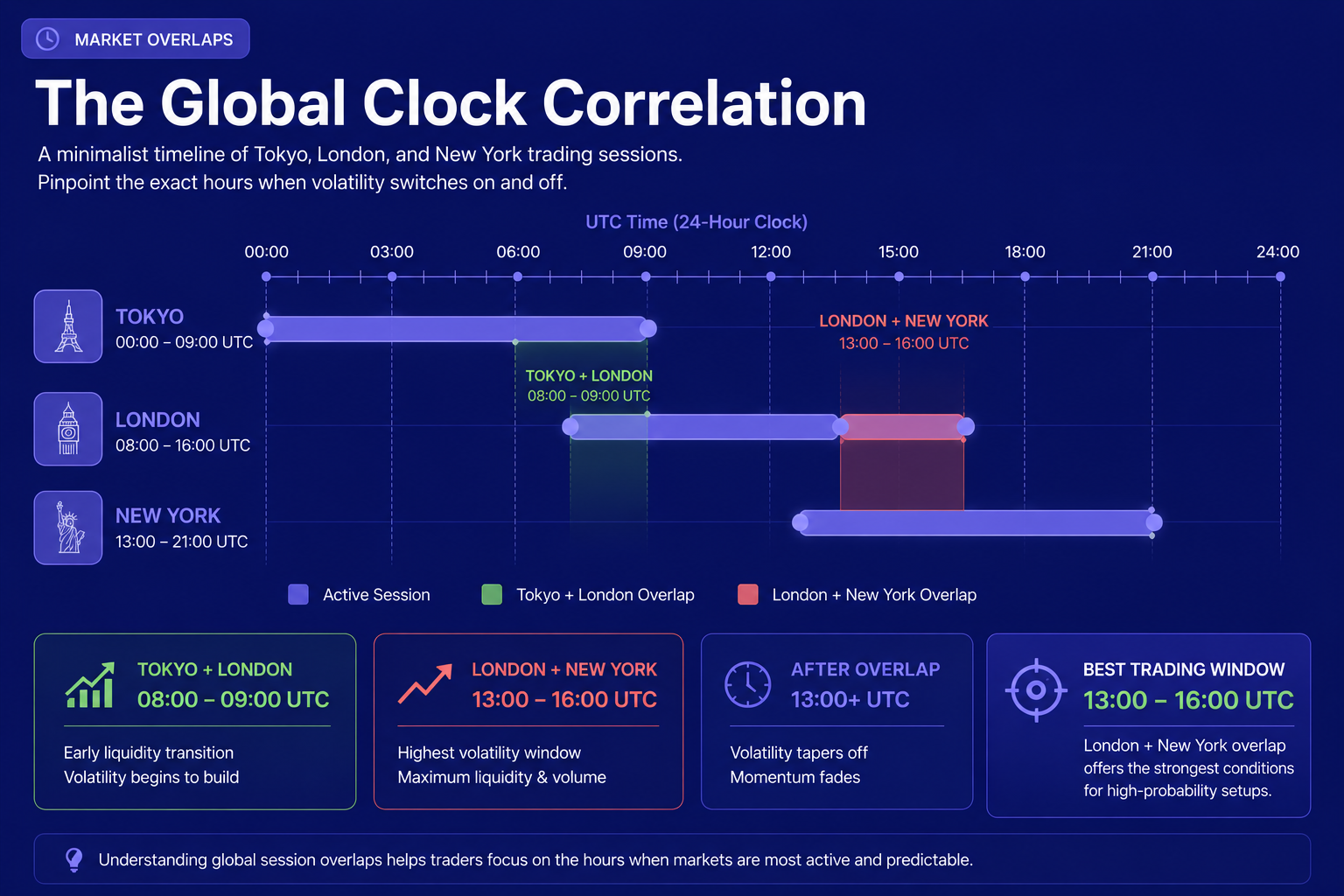
Markets require movement to generate profit. Without volatility, options expire flat, spreads eat into small gains, and directional trades stall. This necessary movement peaks dramatically during market overlaps. These are the sweet spots in the global schedule when two major geographical sessions are open at the same exact time.
The two most significant overlaps occur daily:
- The Tokyo–London Overlap: Occurs early in the morning European time. This crossover infuses sudden volatility into pairs involving the Japanese Yen and the Euro.
- The London–New York Overlap: The absolute heavyweight champion of the trading day. Running roughly between 1:00 PM and 5:00 PM GMT, this four-hour window brings together the largest financial hubs on earth.
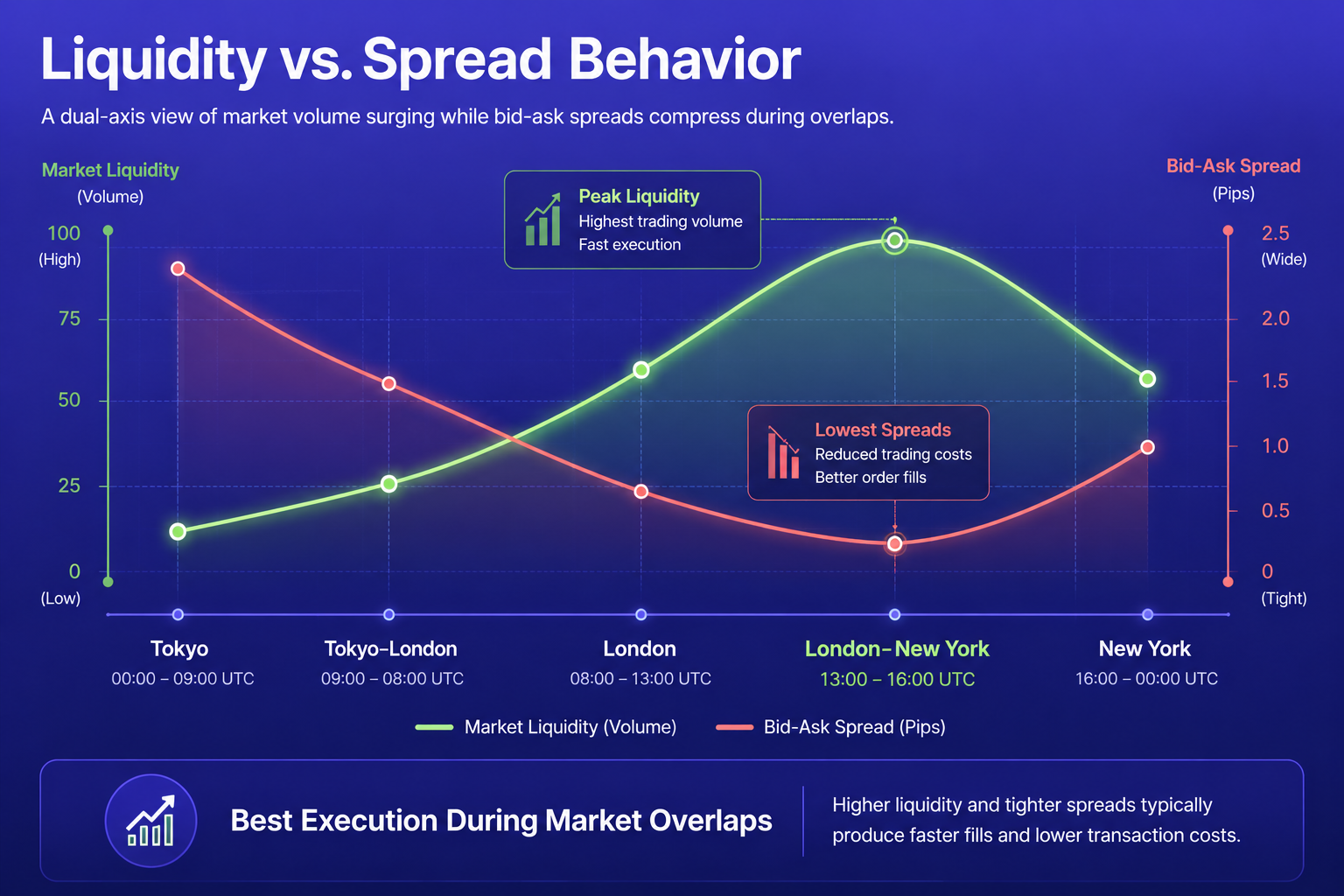
During these windows, institutional banks, hedge funds, and commercial corporations are all executing massive order flows simultaneously. This concentrated activity creates deep liquidity, which translates to incredibly tight spreads and highly predictable structural movements.
However, this environment is a double-edged sword. When I first stepped into the London–New York overlap, the sheer speed of price execution caught me off guard. A setup that would normally take two hours to play out during the quiet Asian session would resolve itself in four minutes. If your risk management tools are not locked down, the volatility will erase your capital before you can even locate the cancel button.
Choosing the Right Vehicle for High Volume
Once I committed to adjusting my routine around these high-volume windows, I faced an immediate operational bottleneck: my trading platform. When price action accelerates, a clunky user interface or a half-second execution delay is the difference between a profitable day and an incredibly frustrating loss.
I spent weeks jumping from one provider to another trying to find a balance between clean design, lightning-fast order routing, and stable pricing feeds. My search eventually led me to test two of the most heavily discussed platforms in the retail space.
For traders focusing on high-speed execution and intuitive technical analysis during volatile windows, checking out IQ Option completely changed my charting experience. The platform excels at handling rapid price fluctuations without freezing, providing a highly responsive charting interface that allows you to catch volatile macroeconomic moves cleanly. If you prefer to analyze asset classes using raw price action and custom indicators, comparing the features of Deriv vs IQ Option for beginners can give you a clearer picture of which engine fits your execution style.
On the flip side, I know many retail participants prefer to start small while navigating the steep learning curves of overlap volatility. If you are looking for an alternative that prioritizes streamlined asset mechanics and highly accessible minimum balances, exploring Binomo is a great path forward. It offers a straightforward layout designed to strip away unnecessary operational noise. For an in-depth breakdown of how their mobile ecosystems perform when you are managing trades away from your desktop, feel free to read through my comprehensive Binomo vs IQ Option mobile app comparison.
Designing a Minimalist Execution Routine
When you mix deep liquidity with highly concentrated market hours, you naturally create an exceptional environment for certain technical frameworks. For me, mastering market open hours opened the door to implementing specific, high-probability setups.
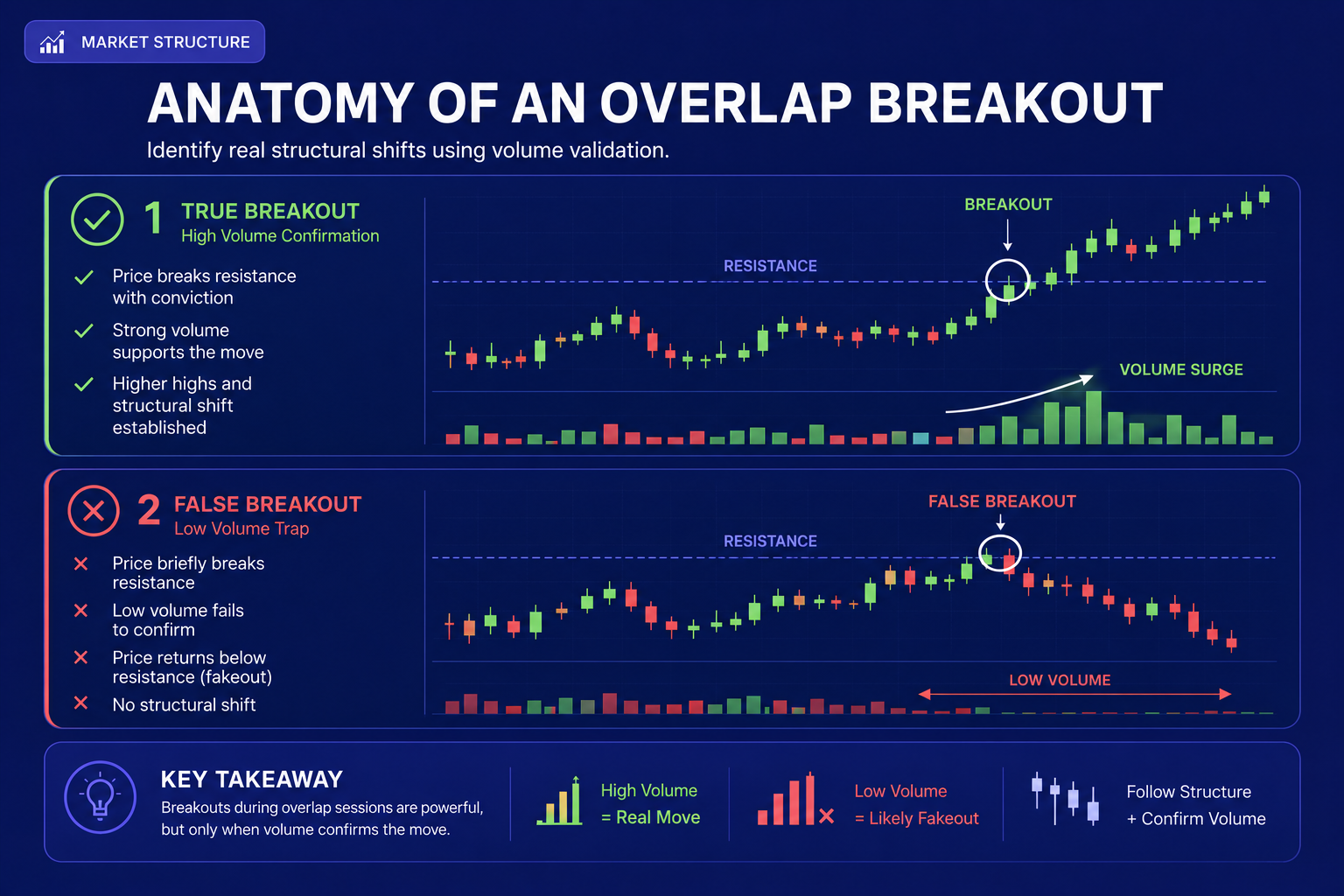
Because institutional order blocks are flooded with volume during overlaps, key support and resistance zones carry much more weight. Breakouts become cleaner because there is actual institutional capital pushing prices past historical barriers. Instead of the endless whipsaws that characterize quiet sessions, overlap trends tend to form clear, sustained patterns.
However, adjusting to this environment requires a massive psychological shift. You must learn how to sit on your hands during choppy markets and wait patiently for the crossover to begin. My daily routine shifted from grinding in front of charts for eight hours to a highly disciplined, two-hour sprint. I would map out my key structural levels thirty minutes before the London open, execute my setups during the first ninety minutes of the session overlap, and then cleanly shut down my computer.
If you are a student or balancing a demanding full-time job, this concentrated style of trading is often the only sustainable path forward. You do not need to watch the markets all day; you simply need to be present when the global financial network is doing the heavy lifting for you. Finding a broker that accommodates this streamlined approach without overwhelming you with complex features is vital. To see how different platforms stack up for part-time schedules, check out my analysis on which broker is better for students.
The Verdict: Is It Better?
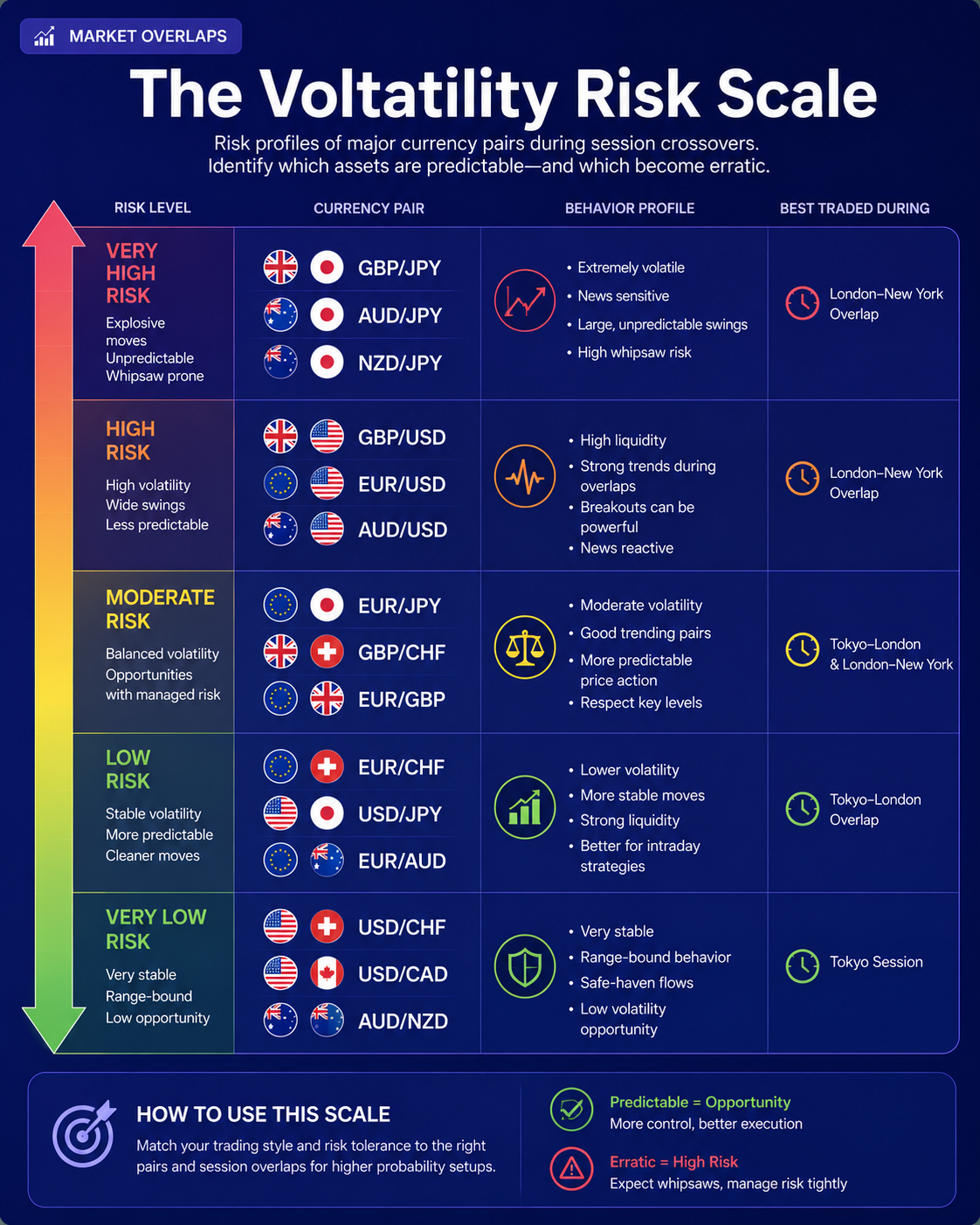
Is it better to trade during market overlaps? The honest answer is yes—but only if you possess the behavioral discipline to match the speed of the market.
If your strategy relies on clear structural trends, tight execution spreads, and high liquidity, trading during session overlaps is vastly superior to grinding through the quiet hours. It respects your time, provides ample trading opportunities, and offers clean price action. But if you struggle with over-trading, emotional discipline, or rapid decision-making, the velocity of an overlap will act as an amplifier for your worst habits.
Succeeding in this game requires moving past surface-level observations and diving deep into systemic market analysis. If you are tired of guessing where the next wave of institutional liquidity will hit and want to back your capital with institutional-grade data, join the professional trading community at Becoin Premium. Gaining access to real-time market data, premium forecasting layouts, and institutional risk tools will give you the precise analytical edge required to turn session volatility into a calculated mathematical advantage.
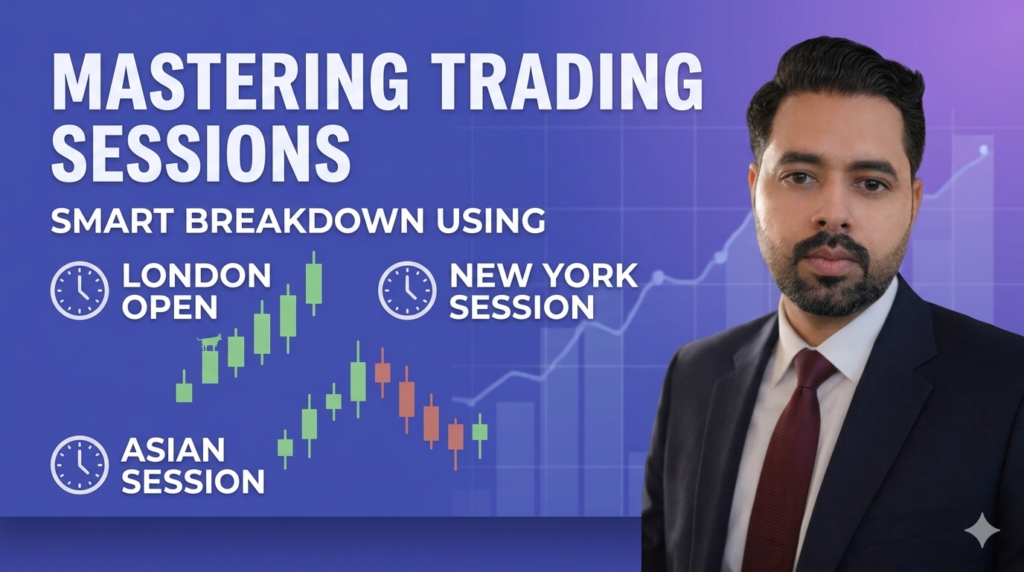
The Clock and the Cash: My Journey into the Hidden Rhythm of Session-Based Trading
There was a time when I thought the global financial market was a single, monstrous wave that never stopped moving. I believed that if I sat in front of my monitors long enough, clicking buttons whenever a pretty pattern appeared on my charts, the market would eventually reward my sheer endurance. I was dead wrong. […]

Deriv vs Binomo for Low-Risk Trading in 2026: Which Platform Is Better for Safer Growth?
Most beginners enter trading with one simple goal: avoid blowing up their account in the first week. That is exactly why low-risk trading matters more than fast profits. Two platforms that constantly appear in beginner discussions are Deriv and Binomo. Both allow small deposits, short-term trading, and beginner-friendly access. But when your focus is protecting […]

$10 to $50 Trading Challenge – Strategy + Real Results (Case Study)
Turning $10 into $50 sounds easy until you actually try it. Small accounts expose every weakness in your trading. One bad decision can erase hours of progress, and emotional trading becomes much harder to control when every dollar matters. This case study breaks down how a $10 account was realistically grown to $50 using a […]

How I Learned to Sit on My Hands During Choppy Markets
I remember the morning vividly. It was a Tuesday. The coffee on my desk was still piping hot, the charts on my screen were blinking, and I was feeling incredibly confident. I had just finished reading about how market open hours create the best trading opportunities, and I was ready to hunt for a clean […]

Finding the Best Trading Broker for Side Income: My Raw, First-Hand Journey to Consistent Daily Wins
Six months ago, I sat at my kitchen table staring at an accumulation of household bills, realizing my primary salary was no longer cutting it. I didn’t want a second job that required clocking into a physical location or taking endless boss mandates after hours. I needed a flexible, scalable side income. That night, I […]

The Rookie Dashboard: My Raw Hunt for the Best Beginner Broker in 2026
We have all been there. It is late at night, your morning coffee is hours away, and you are staring at a screen pulsing with bright green and red lines. You have twenty dollars burning a hole in your digital wallet and a sudden, burning desire to conquer the financial markets. That was me exactly […]