
$10 to $50 Trading Challenge – Strategy + Real Results (Case Study)
Turning $10 into $50 sounds easy until you actually try it. Small accounts expose every weakness in your trading. One bad decision can erase hours of progress, and emotional trading becomes much harder to control when every dollar matters.
This case study breaks down how a $10 account was realistically grown to $50 using a structured approach. No hype, no shortcuts, just a repeatable framework that focuses on control before profit.
The Real Goal Behind This Challenge
The goal was not fast money. It was controlled growth.
Most beginners fail because they rush. They overtrade, increase lot sizes too early, and ignore risk. This challenge flipped that approach by focusing first on protecting the account, then scaling gradually.
If you’re still unsure how much capital actually makes sense, this guide puts things into perspective
How much money do you really need to start trading
Platforms Used in This Challenge
To keep things practical, the challenge used platforms that allow small deposits and quick execution.
You can start with:
Start trading on Quotex with a low deposit
Create your Pocket Option account here
Register on CapitalCore
Access Deriv trading platform
If you want a full comparison before choosing, this breakdown helps simplify the decision
Best day trading brokers for beginners in 2026
For low-budget traders, this is also worth reviewing
Best broker for $10 deposit accounts
And if your priority is payout reliability, check
Top trading platforms that actually pay
Strategy Used in the $10 to $50 Challenge
The strategy was intentionally simple to reduce errors. It focused on reading market structure instead of relying on complex indicators.
Trades were taken on a lower timeframe but always aligned with the higher timeframe trend. Support and resistance zones acted as decision points, and entries were only taken after confirmation, not prediction.
This approach works best when paired with strict risk control, which is explained in detail here
Risk management for small accounts ($10–$50)
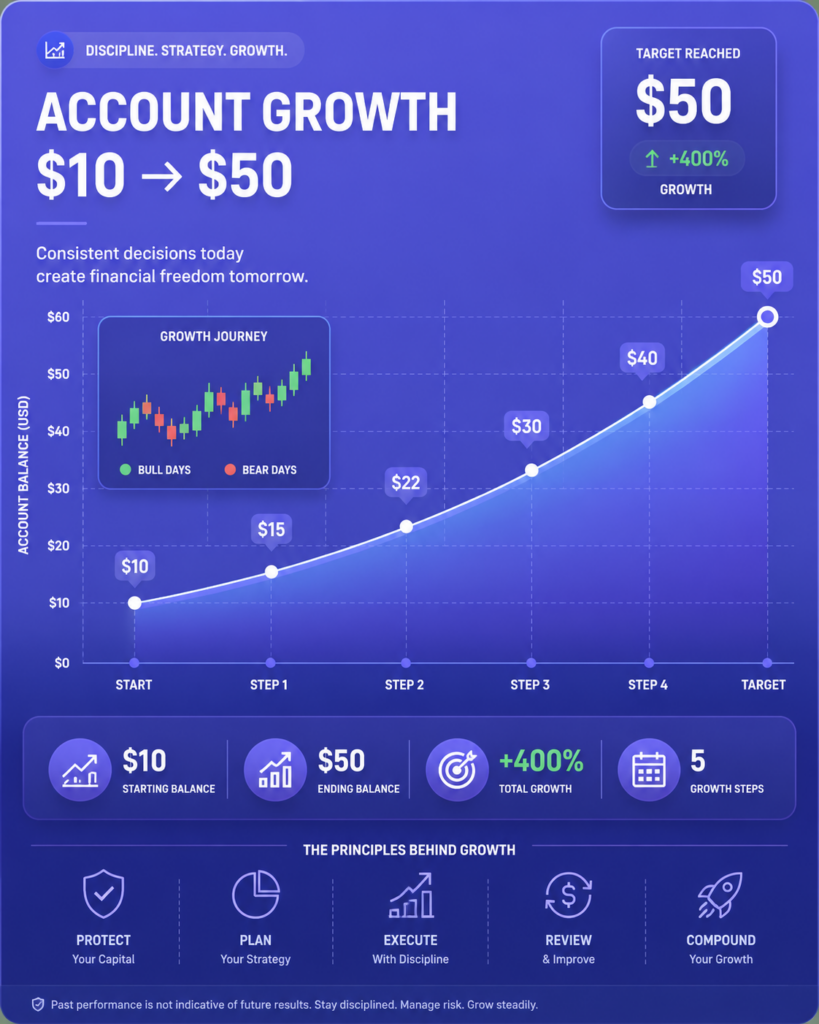
Risk Management That Made This Work
This is where the challenge was actually won.
Instead of chasing trades, the focus stayed on control. Only a few trades were taken per session. Trading stopped after consecutive losses. Position size only increased after consistent growth.
Most traders skip this part and focus only on entries, which is why they struggle. If you want to understand the real reasons behind failure, read
Why 90% of traders lose money
Day-by-Day Results Breakdown
The growth was steady, not aggressive.
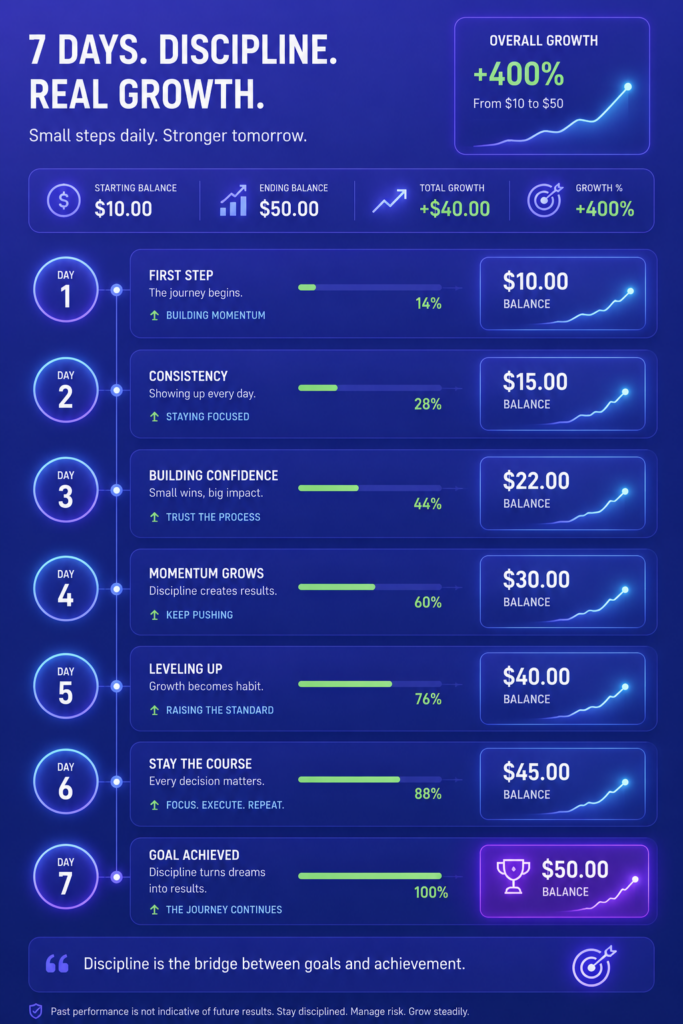
Day 1 started with $10 and closed slightly above $12. The focus was testing execution and managing emotions. You can see the full breakdown here
Real Day 1 $10 trading results
Over the next few days, the account grew gradually. The key shift was reducing unnecessary trades and waiting for cleaner setups. Confidence improved, but risk rules stayed unchanged.
By Day 4 and Day 5, small scaling was introduced. There was still no aggressive compounding, just controlled growth.
By Day 6 and Day 7, the account crossed $50. The important detail is that this was achieved without risking the account at any stage.
What Actually Worked
The biggest advantage was patience.
Fewer trades led to better decisions. Waiting for confirmation improved win rate. Emotional control made more impact than any indicator.
Consistency comes from structure, and this routine can help you build that
Simple daily trading routine for consistency
Mistakes That Were Avoided
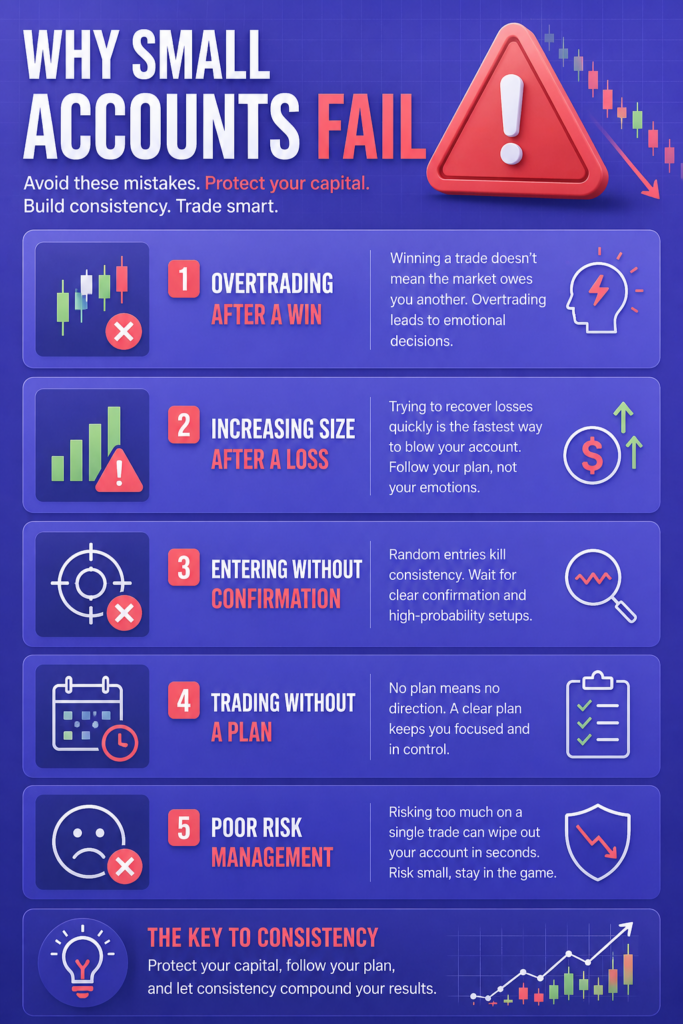
Most beginners fail because of predictable habits. Overtrading after a win, increasing size after a loss, and entering without confirmation are the most common ones.
If you want to avoid these completely, this breakdown explains them clearly
Biggest beginner mistakes that kill trading accounts
Withdrawal and Platform Safety
Another critical part of this challenge was testing withdrawals.
Before scaling any account, it’s important to confirm that withdrawals actually work. Start small, verify your account, and use consistent payment methods.
You can compare real withdrawal results here
Fastest withdrawal brokers tested
For a deeper safety comparison, review
Safest trading platforms in 2026
If you are considering trading without verification, understand the risks first
Broker without KYC risks explained
Should You Try This Challenge
Yes, but only with the right mindset.
This is not a shortcut to quick money. It is a discipline test. If you follow structure, it works. If you chase speed, it fails.
The Real Limitation Most Traders Face
Basic strategies can take you only so far. At some point, results become inconsistent because the market requires deeper understanding.
Most traders struggle here because they rely only on surface-level setups without context.
Final CTA – Build a Real Trading Edge
If you want to move beyond basic strategies and actually build consistency, structured guidance makes a difference.
Join BeCoin Premium and access advanced multi-timeframe analysis
Inside, you get deeper market insights, refined setups, and risk frameworks that help you trade with clarity instead of guesswork.
Final Thought
Turning $10 into $50 is not about finding a perfect strategy. It is about control, patience, and consistency.
If you can manage a small account properly, scaling becomes much easier later. Most traders fail not because they lack knowledge, but because they fail to follow a structured approach consistently.
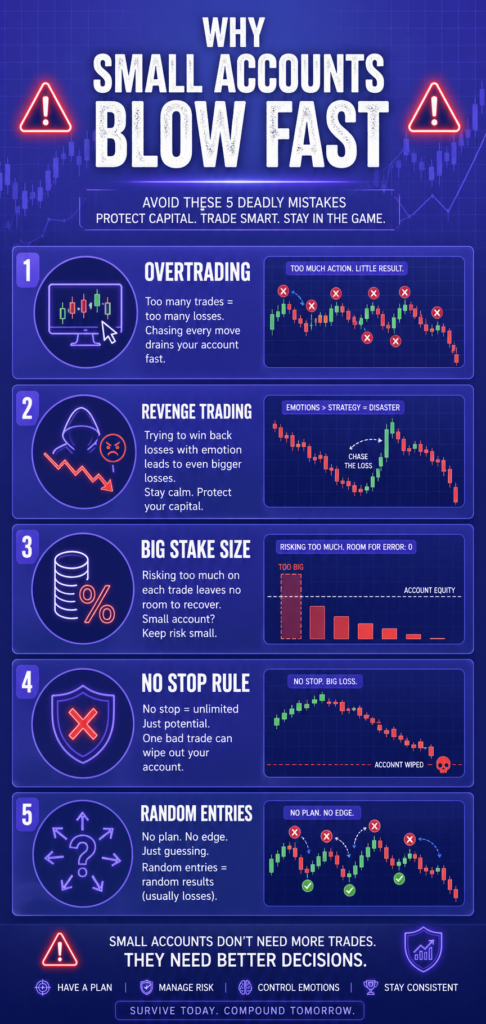
Risk Management for Small Accounts ($10–$50)
Starting with a small trading account can feel frustrating. You want fast growth, but one bad decision can wipe out weeks of progress. That is why risk management matters more for a $10 account than for a $1,000 account. Many beginners focus only on strategy. They search for the best indicators, signals, or entry methods. […]

I Started with $10 on Quotex – Day 1 Results (Real Case Study)
Most beginner traders ask the same question:Can you actually grow a small account like $10? Instead of theory, I decided to test it in real conditions. This is a Day 1 case study of trading with $10 on Quotex, documenting everything from setup to execution, mistakes, emotions, and actual results. No hype, no fake screenshots, […]

Capital Core for US Traders: Can Americans Use It Safely?
I’ll be honest: when I first started digging into Capital Core for US traders, I wasn’t looking for hype. I was looking for a boring answer. Can I sign up from the US?Can I actually trade?And the real question nobody asks loudly enough: if I win, can I withdraw without drama? That last one matters […]

Which Broker Has Faster Withdrawals? Real 2026 Comparison for Traders
When most beginners choose a broker, they focus on bonuses, signals, or flashy interfaces. But after trading for a while, you realize one thing matters more than almost anything else: How fast can you actually withdraw your money? A broker can look perfect until your first withdrawal request gets stuck in “processing” for three days. […]

Capital Core Account Types Explained: Which One Fits Your Trading Budget?
When I first started looking at Capital Core account types, I made the same mistake most traders make. I looked at the bonus first. Then I looked at the leverage. And only after that did I start asking the question that actually matters: Which account can I realistically manage without forcing trades just because I […]

Safest Broker for Small Deposits in 2026
Looking for the safest broker for small deposits in 2026? Discover beginner-friendly trading platforms with low minimum deposits, reliable withdrawals, risk controls, and the best options for starting safely with limited capital. Starting trading with a small amount of money sounds easy until you actually deposit real funds. Most beginners quickly realize that choosing the […]