WTI Crude Oil: Prices Rise as Hormuz Reopening Remains Uncertain
- WTI rebounds: U.S. crude is trading near $78.72 after gaining 0.7% on Monday.
- Hormuz remains the catalyst: Iran says reopening the key shipping route depends on U.S. concessions.
- Technical setup is balanced: WTI is holding above the $78.85 daily pivot but remains vulnerable to geopolitical headlines.
WTI Fundamental Analysis
WTI crude oil started Monday on firmer footing as traders reassessed the likelihood of a rapid reopening of the Strait of Hormuz. U.S. West Texas Intermediate futures were recently around $78.72 per barrel, up 0.7%, while Brent gained 0.8% to $84.22. The move followed a decline of more than 7% last week as markets initially became optimistic that Iran and Oman were close to an agreement that could restore shipping through the waterway.
That optimism has since been moderated. Iran says an agreement with Oman is in its final stages, but Tehran has also made clear that the waterway would not fully reopen until Washington satisfies additional conditions. Iran has also stated that it is not currently engaged in direct negotiations with the United States.
The distinction is crucial for oil traders. Hormuz previously carried roughly one-fifth of global oil and LNG flows, meaning even partial normalization could significantly reduce the geopolitical premium embedded in crude prices. Conversely, continued restrictions or renewed attacks could rapidly send prices higher.
Supply risks remain tangible. Iran-aligned Houthis reportedly attacked Saudi Aramco's Jazan refinery, while ADNOC said 15 of its vessels had been attacked while transiting Hormuz since the conflict began. These developments make it difficult for traders to price a complete return to normal shipping conditions.
China is another important demand variable. Reuters reported that China's July crude imports recovered to 8.41 million barrels per day from June's near-decade low, but remained 24.3% below July 2025 levels. Lower Asian imports provide a counterweight to geopolitical supply risks.
WTI Technical Analysis
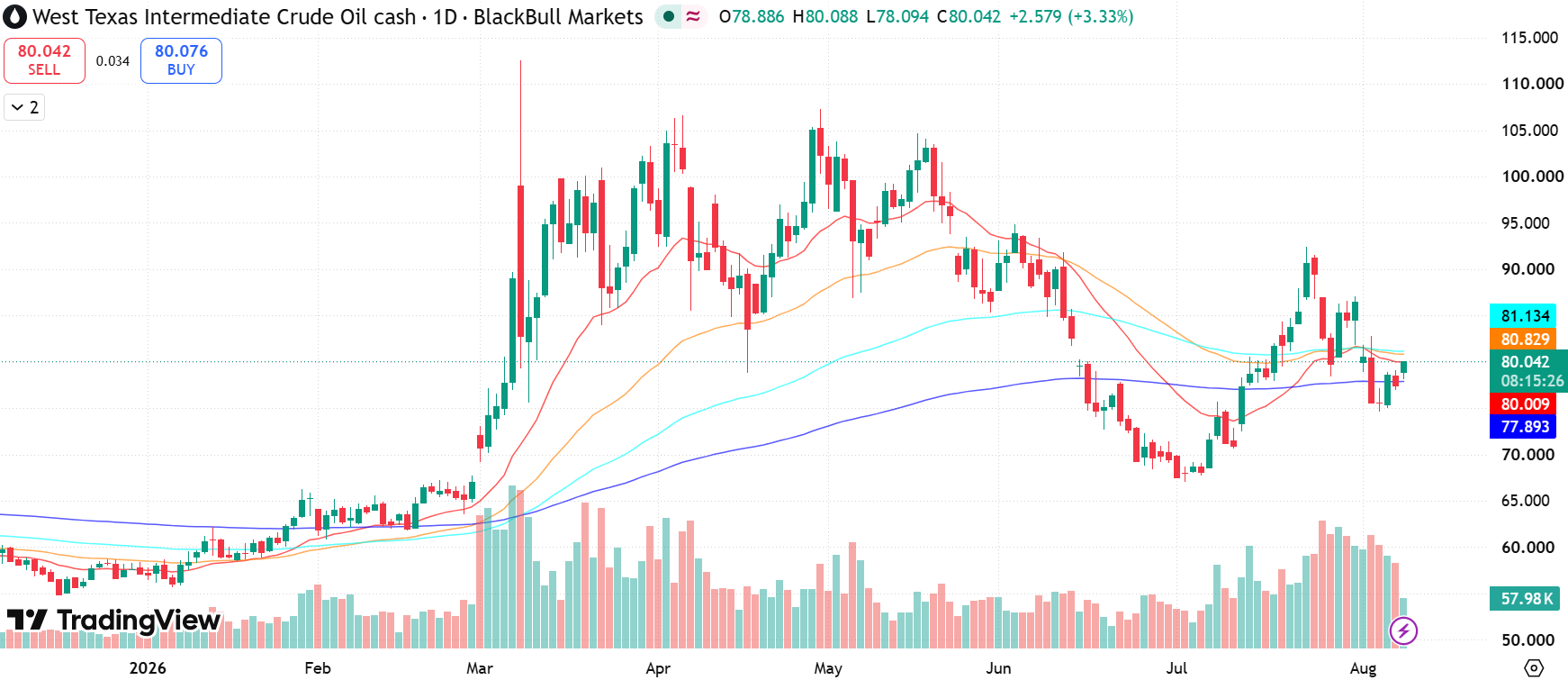
Today's daily pivot for WTI is approximately $78.85, with the primary support and resistance range running from $77.23 to $80.41.
The immediate battle is therefore concentrated around the $78.85 pivot. Holding above it would keep the short-term recovery alive and put $80.40 into focus. A decisive break above $80.40 could encourage buyers to target the psychologically important $82–85 region, particularly if geopolitical tensions intensify.
Conversely, a break below $77.23 would indicate that sellers are regaining control. That would put the recent recovery at risk and potentially expose WTI to another test of the mid-$70s.
The broader technical picture is complicated by positioning. Saxo reported that speculative net-long crude positions were reduced by 25,000 contracts to 266,000, highlighting relatively limited conviction in a sustained oil rally despite continuing geopolitical supply risks.
WTI therefore has a two-sided setup: technical buyers are defending the high-$70s, but the next major directional move is likely to depend heavily on developments around Hormuz.
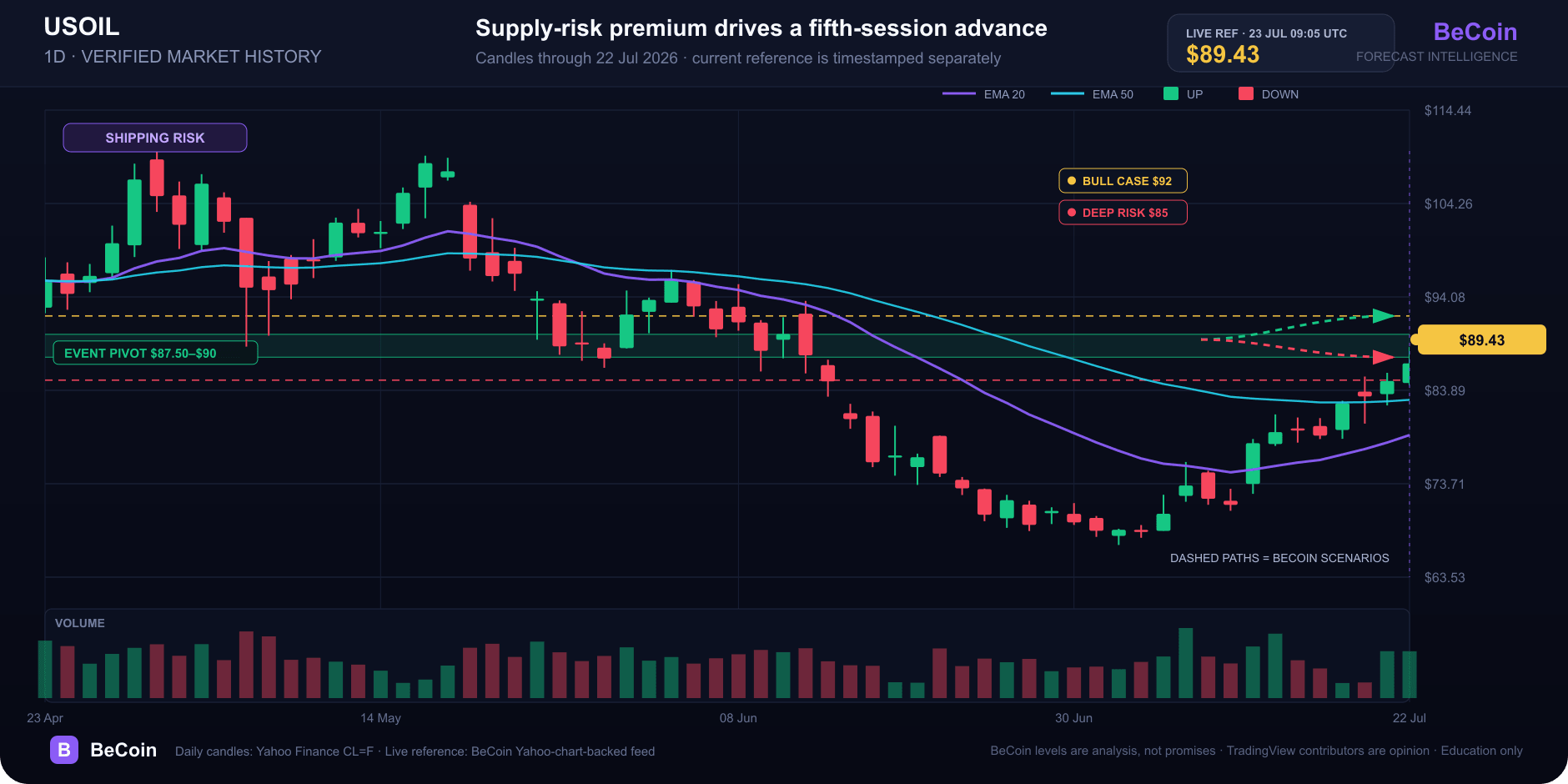
WTI reaches $89.43 as Brent clears $95 on renewed supply risk
WTI traded near $89.43 while Brent moved above $95 as Middle East shipping risk lifted crude for a fifth session. Key levels, catalysts and invalidation.

How Liquidity Affects Day Trading Results
When I first started trading day trading, I believed success was all about finding the perfect indicator. I spent weeks testing moving averages, RSI settings, support and resistance levels, and dozens of YouTube strategies that promised easy wins. Some worked for a few trades, but most failed. What confused me was that the same setup […]
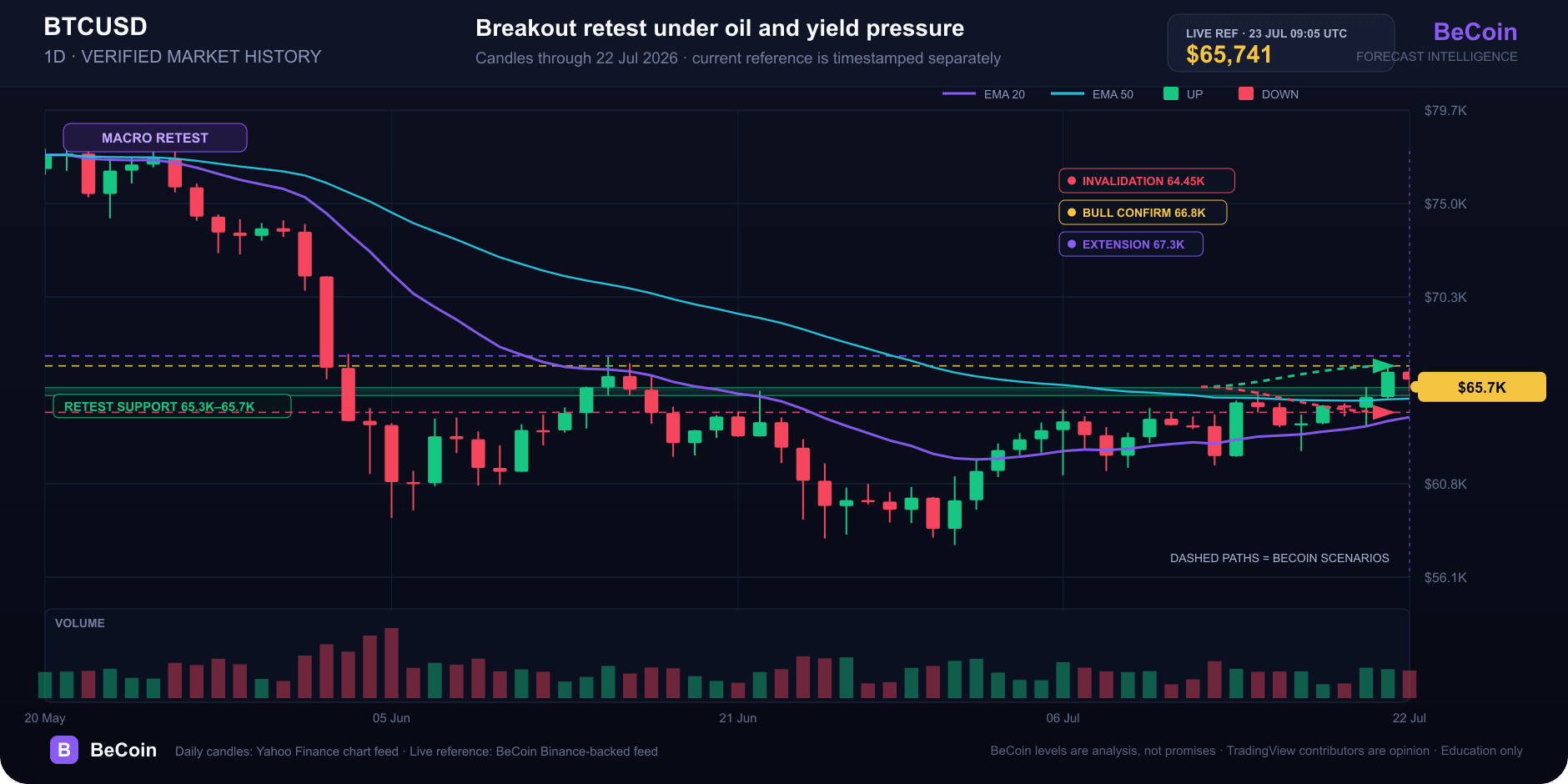
Bitcoin slips to $65,741 as oil and yields test the breakout
Bitcoin is near $65,741 as rising oil and Treasury yields test the $65.7K breakout floor. Here are the levels that confirm or invalidate the move.
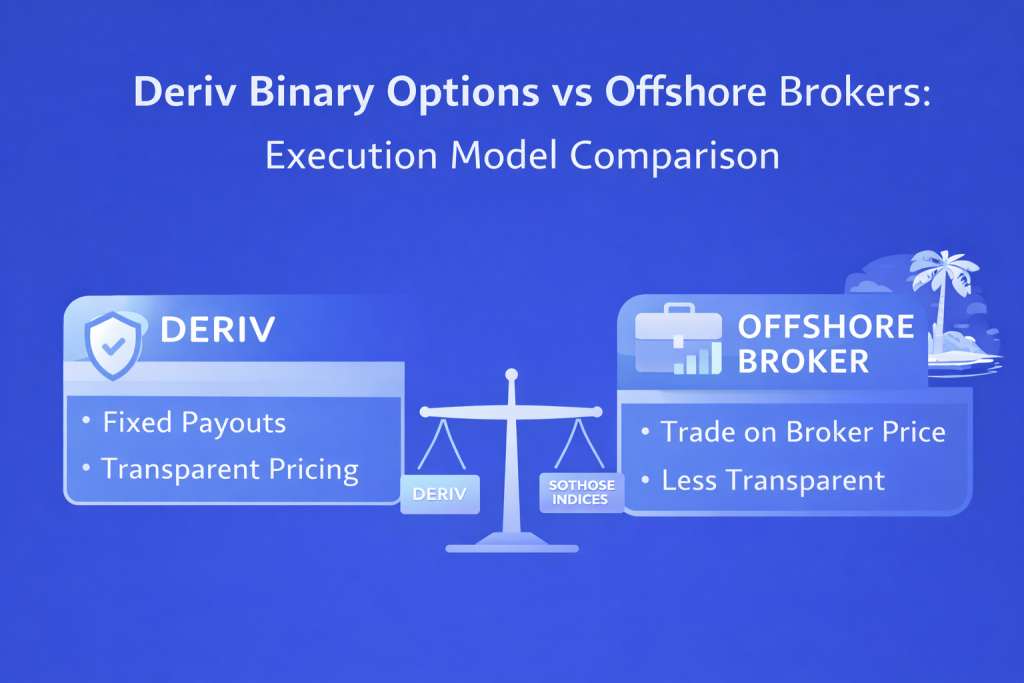
Deriv Day Trading vs Offshore Brokers: Execution Model Comparison
I did not start my trading journey thinking about execution models. Like most beginners, I started with charts, indicators, and the belief that if I could just find the right entry signal, profits would follow. My early trading notebook was full of screenshots of RSI signals, candlestick patterns, and support levels. What it did not […]

Trading Currency Strength Instead of Single Pairs
It was a Tuesday afternoon when I realized I was fighting a losing battle against a ghost. My screen was a chaotic web of indicators. I had the EUR/USD chart open, a moving average crossing over here, a relative strength index flashing oversold there, and a price action setup that looked textbook perfect. I clicked […]

Which Broker Has Better Risk Management Tools?
The burning smell of my own account blowing up is a scent I will never forget. It was a rainy Tuesday afternoon a few years back. I sat huddled over my laptop, watching a currency pair oscillate. Confident, arrogant, and entirely unprotected, I clicked buy. Minutes later, a sudden market spike completely wiped out my […]