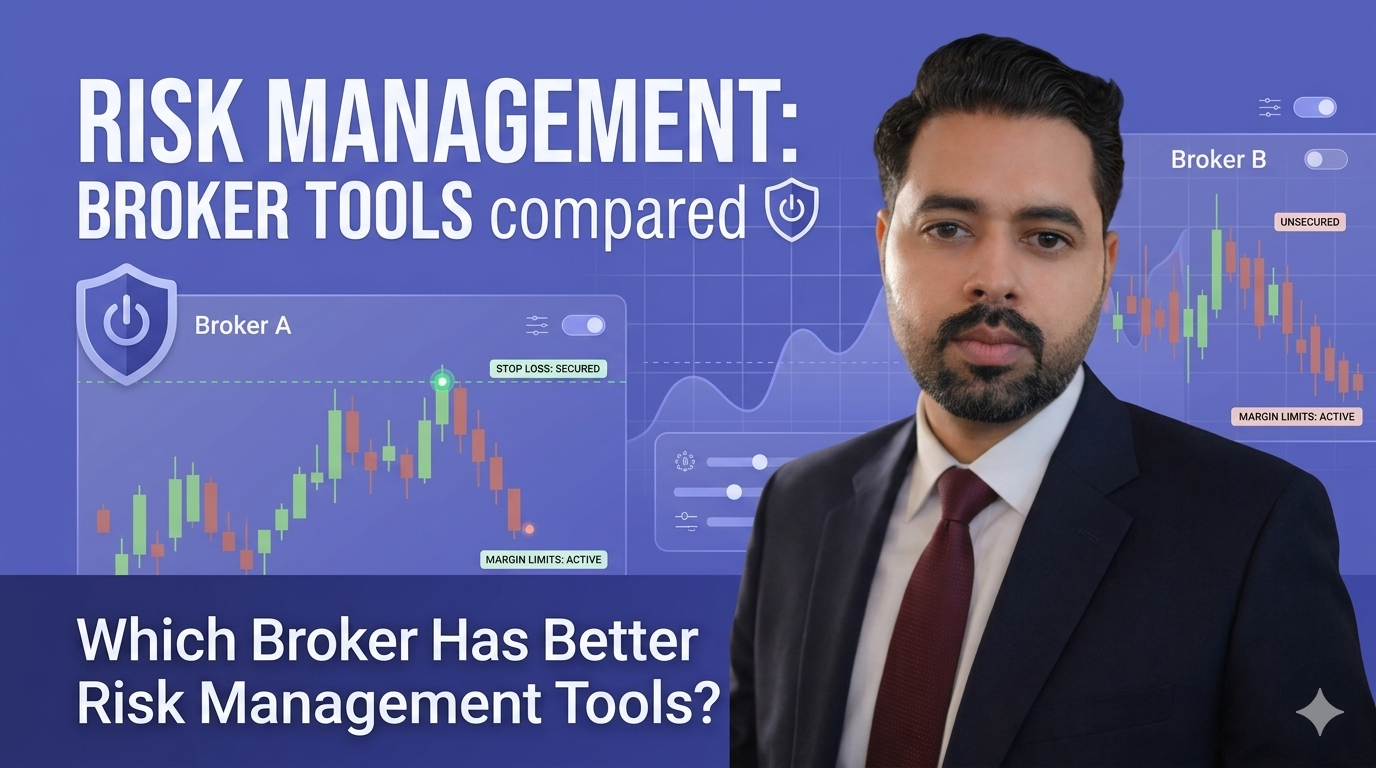
Which Broker Has Better Risk Management Tools?
The burning smell of my own account blowing up is a scent I will never forget.
It was a rainy Tuesday afternoon a few years back. I sat huddled over my laptop, watching a currency pair oscillate. Confident, arrogant, and entirely unprotected, I clicked buy. Minutes later, a sudden market spike completely wiped out my balance. I did not lose the money because my technical analysis was wrong; I lost it because I had no safety net. No limits, no controls, just pure exposure.
That painful day forced me onto a quest to find out which broker actually provides the best risk management tools. I spent years testing interfaces, configuring settings, and assessing how various platforms protect retail users.
If you are tired of learning lessons the hard way, let me break down what I discovered about the structural differences in how top-tier platforms handle your capital safety.
Why Platform Architecture Dictates Your Survival
When we talk about risk management, beginners usually think about basic discipline. But experienced market participants know that platform architecture plays a massive role. If a system freezes during a volatile news event or lacks precise execution tools, your strategy fails.
Most traders end up draining their balances because they use tools designed to keep them clicking rather than keeping them safe. You can explore the foundational reasons why this happens in this breakdown ofwhy 90 percent of traders lose money.
To avoid this trap, you need to understand the tools at your disposal. Let us look at how the major brokers stack up when the market gets chaotic.
The Big Two: IQ Option vs. Binomo
For anyone trying to scale a small account safely, the choice often narrows down to two dominant ecosystems: IQ Option and Binomo. Having spent hundreds of hours trading on both, I noticed their approaches to capital protection are fundamentally different.
IQ Option: The Analytical Control Panel
IQ Option approaches risk management like an institutional trading terminal. If you are trading non-binary instruments like Forex, CFDs, or Crypto on their platform, you get an array of automated safety features:
- Percent-Based Stop Loss and Take Profit: Instead of calculating manual pip values, you can tell the system to close your position automatically if it drops by exactly 10% of your allocated capital.
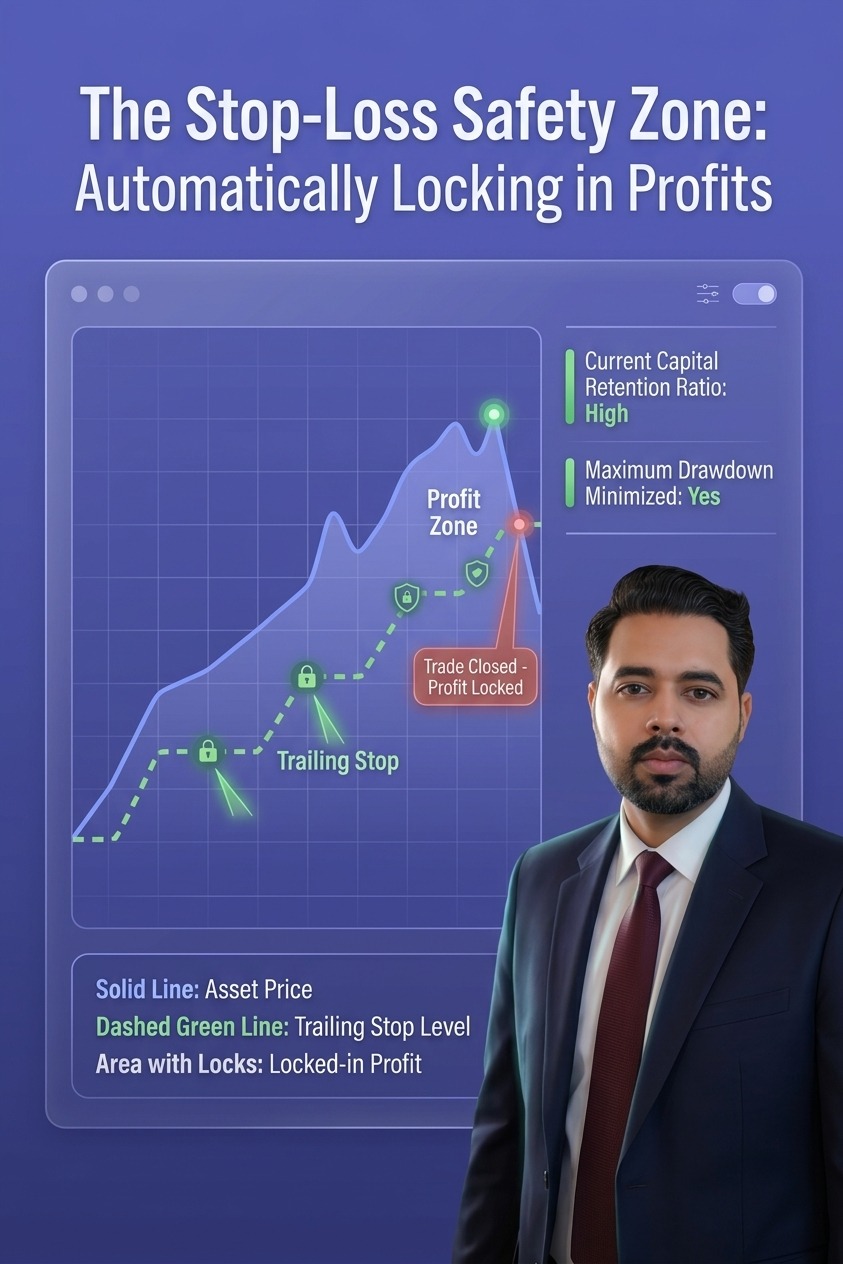
- Trailing Stop: This tool dynamically adjusts your stop-loss level upward as your trade moves into profit, automatically locking in gains while protecting against sudden reversals.
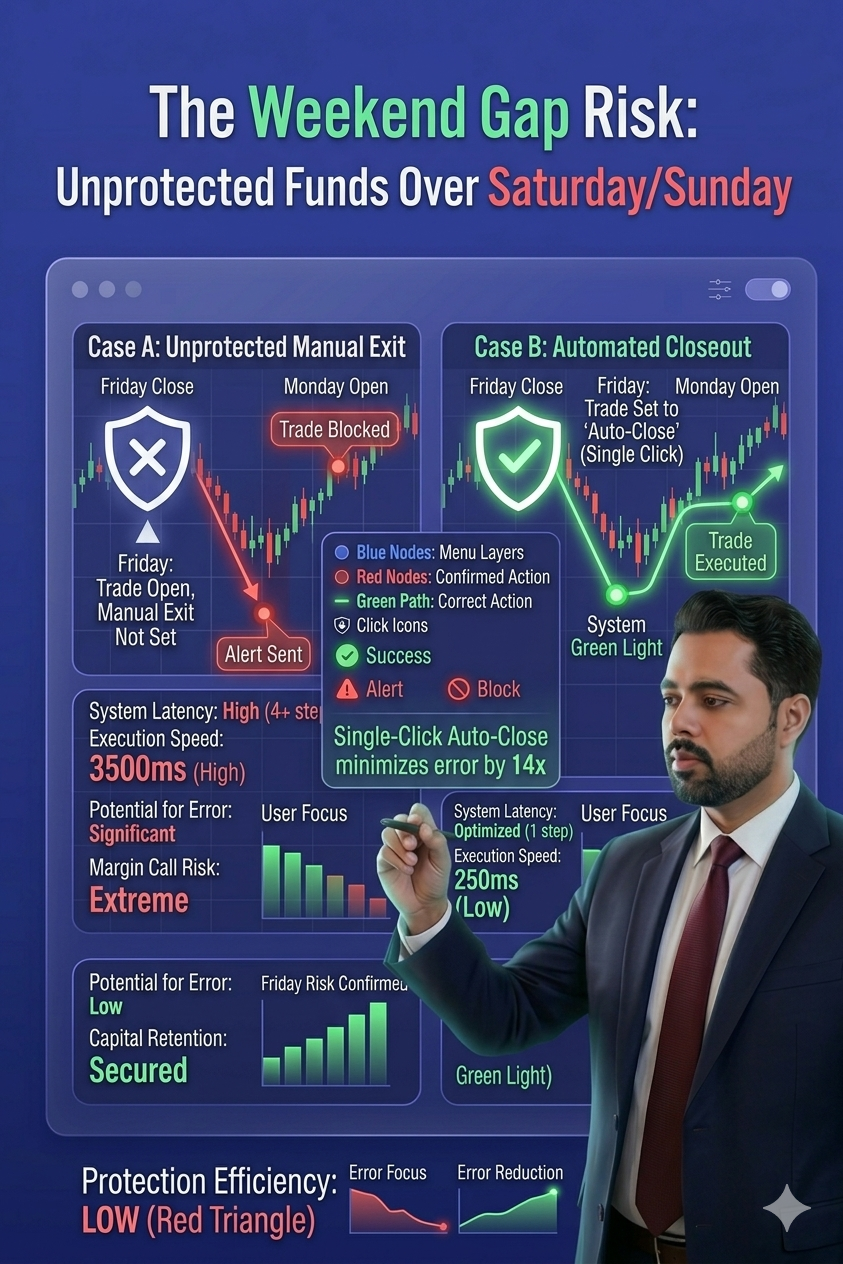
- Auto-Close Upgrades: You can set your positions to remain open even through overnight financing charges or force them to shut before the weekend gap risk hits.
The interface is built for deep control, allowing you to configure safety parameters directly on the chart before confirming an order. If you want to see a head-to-head breakdown of how these interfaces behave on a day-to-day basis, check out this guide onwhich broker has the cleanest interface.
Binomo: The Simplified Guardrail
Binomo takes a starkly different approach. You won't find complex trailing stops or multi-layered pending order panels here. Instead, Binomo relies on minimalist operational design to prevent user errors:
- Fixed-Risk Mechanics: Because the system focuses heavily on fixed-time transactions, your maximum loss is strictly capped at the exact amount you commit to that specific trade.
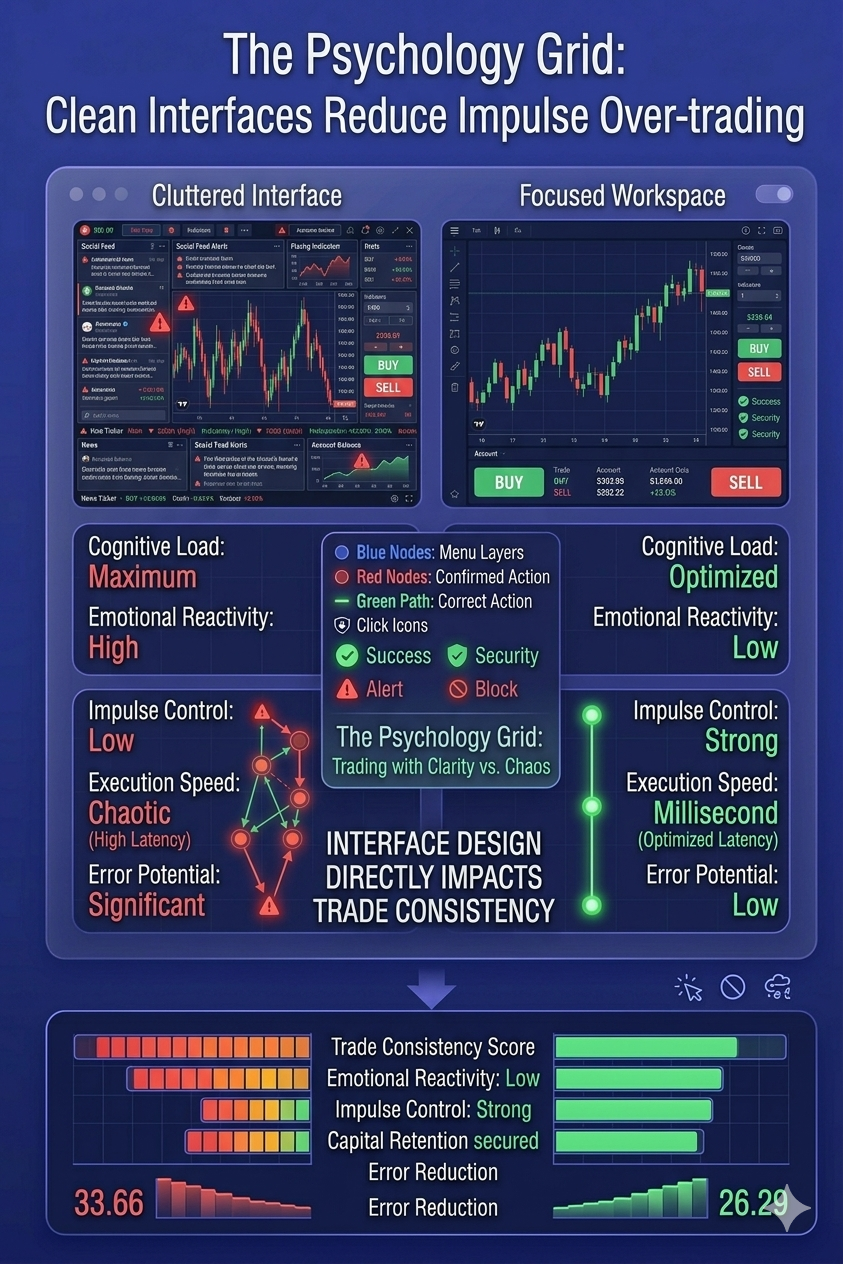
- Stripped-Down Layout: By eliminating overwhelming visual clutter, the platform lowers the psychological temptation to panic-trade or double-down erratically when a position moves against you.
While this clean design helps beginners avoid accidental over-leveraging, it lacks the advanced precision tools found in competitive suites. If you are weighing these two platforms for a smaller bankroll, it helps to read this detailed look atBinomo vs IQ Option for small accounts.

Technical Visualizations for Capital Safety
To help you choose the right platform configuration for your specific style, I mapped out the core visual assets you should look for when evaluating your workspace layout.
Advanced Protection: Deriv and CapitalCore
If your strategy demands risk management tools that go beyond the standard retail options, you have to look at platforms engineered for specific market environments.
Deriv: The King of Synthetic Risk Isolation
Deriv is a powerhouse for structured protection, primarily because of how it handles synthetic indices. These are asset classes mirrored on cryptographic random walk algorithms that simulate real-world market volatility 24/7.
To manage this constant movement, Deriv offers unique risk mitigation features:
- Stop-Loss on Synthetics: Unlike real forex markets where weekend gaps can skip right past your stop-loss order and cause massive slippage, Deriv’s synthetic environments execute your stops exactly where you set them.
- Deal Cancellation: A proprietary feature that allows you to buy insurance on a trade. If the trade goes deeply into the negative within a specified time frame (like 30 or 60 minutes), you can cancel the contract and claw back your entire stake for a tiny premium fee.
This structural separation makes it a preferred choice for systematic risk mitigation. For an in-depth comparison of how this operates compared to traditional setups, read the analysis onDeriv vs IQ Option for synthetic indices.
CapitalCore: Margin Level Security
For traders moving into leveraged positions with traditional assets,CapitalCore provides exceptional ledger-level protection. They utilize a highly transparent margin monitoring system that shows your real-time liquidation price down to the fractional cent. This level of data transparency ensures you are never blindsided by an unexpected margin call during sudden market drawdowns.
Alternative Platforms and Niche Environments
Every trader has a unique style. If you don't need highly complex algorithmic setups, other platforms offer specialized safety designs:
- Pocket Option: Noted for its flexible order-canceling features and robust backup infrastructure. You can check out their layout by visitingPocket Option.
- Quotex: Offers an incredibly responsive execution engine that drastically reduces negative slippage during volatile fast-moving markets. Take a look at their platform terminal atQuotex.
- ExpertOption: Excellent for individuals who prefer a simplified interface that keeps focus entirely on raw price action. You can see their layout atExpertOption.
- Olymp Trade: Known for integrated educational modules that warn users directly on the charting interface when market volatility spikes beyond safe parameters. Review their interface atOlymp Trade.
Setting Up Your Protective Infrastructure
Choosing a broker is only half the battle; you also have to configure it correctly. When I open a new trading terminal, I follow a strict setup routine to ensure my capital is protected before a single dollar is placed at risk.
Step 1: Establish Your Hard Capital Ceiling
Never let your account balance dictate your maximum risk on a single trade. Determine your total risk pool before funding your account. If you are wondering how much capital you actually need to protect yourself from early mistakes, take a look at this realistic guide onhow much money do you need to start trading.
Step 2: Configure Platform Slippage Protections
In your platform's settings menu, look for execution rules. Always select market protection options that automatically reject an order if the asset price slips by more than a specified fraction of a percent during high-volatility events.
Step 3: Map Out Your Operational Routine
Risk management isn't just an automated setting; it's a daily habit. If you enter trades without a structured routine, you are exposed to emotional mistakes. You can read about how I built my own daily framework in this article onfinding my perfect workspace routine.
The Verdict: Which Broker Takes the Crown?
If you want absolute granular control over volatile positions,IQ Option offers the most complete suite of active retail risk management tools with its trailing stops and percentage-based exit configurations.
However, if your strategy focuses on isolating risk from market gaps and external global events,Deriv provides unmatched structural protection through its synthetic asset ecosystems and deal cancellation insurance.
No software feature can save a trader who refuses to respect the mathematics of leverage. Tools are just levers; you must be the anchor.
If you are ready to stop guessing and want to elevate your trading with institutional-grade data, mathematical risk modeling, and deeply comprehensive market analysis, join our community of disciplined market participants atBecoin Premium and secure a genuine analytical edge over the market.

Safest Broker for Small Deposits in 2026
Looking for the safest broker for small deposits in 2026? Discover beginner-friendly trading platforms with low minimum deposits, reliable withdrawals, risk controls, and the best options for starting safely with limited capital. Starting trading with a small amount of money sounds easy until you actually deposit real funds. Most beginners quickly realize that choosing the […]

Deriv vs IQ Option for Beginners in 2026: Which Platform Is Better to Start With?
Choosing your first trading platform can decide whether you stay consistent or quit after blowing your first account. Most beginners do not fail because trading is impossible. They fail because they start on platforms that confuse them, encourage emotional trading, or make risk management difficult. Two names that often appear in beginner discussions are Deriv […]
Which Broker Has the Cleanest Interface? Real Comparison for Beginners in 2026
Looking for the cleanest trading interface in 2026? Compare Binomo, IQ Option, Quotex, Deriv, and more based on speed, layout, usability, mobile experience, and beginner friendliness. When most beginners choose a broker, they focus on bonuses, payouts, or deposit methods. But after testing multiple platforms for months, I realized something surprising: A messy interface can […]

Which Is Easier for Beginners: Binomo or IQ Option?
For most beginners, the hardest part of trading is not strategy. It is surviving the first few months without blowing the account from emotional decisions, overtrading, and poor risk management. That is why choosing the right platform matters more than many new traders realize. Two names dominate beginner conversations in binary and short-term trading: Binomo […]

Binomo vs IQ Option for Small Accounts: Which Platform Is Better for Beginners in 2026?
Most people entering online trading do not start with thousands of dollars. They start small. Usually with $10, $20, or maybe $50. That small balance changes everything about how a trader behaves. Every loss feels bigger, every win feels emotional, and every mistake has a stronger impact on the account. This is exactly why beginner […]

Safest Trading Platforms (Risk Breakdown) – Real Comparison for 2026
Choosing a trading platform isn’t about features — it’s about avoiding hidden risk. Most traders compare brokers like Quotex vs Pocket Option vs Deriv vs Olymp Trade expecting a clear winner. Instead, they find conflicting reviews, promotional claims, and no real explanation of how these platforms behave when money is on the line. The real […]