Finding My Perfect Workspace: The Search for the Best Broker for My Daily Trading Routine
The alarm goes off at 6:00 AM. By 6:30 AM, I am sitting in front of my monitors with a steaming mug of black coffee. The house is completely quiet, the market is preparing its next major move, and my charts are completely bare. This is my daily sanctuary.
For a long time, this morning ritual felt more like a battle than a routine. I used to jump between clunky mobile apps, curse at delayed order executions, and manually calculate my position sizes on scrap paper while watching a trade move against me. It took losing a significant chunk of capital to realize that consistency is not just about having a profitable strategy. It is deeply connected to your environment, your tools, and your workflow.
Choosing a platform that meshes perfectly with how you think, react, and execute under pressure is the most important foundation for long-term growth. If you are trying to build a reliable career out of this, you need an interface that acts as an extension of your mind, not a technical hurdle you have to clear every single minute.
Why Your Daily Routine Living or Dying Depends on Your Platform Choice
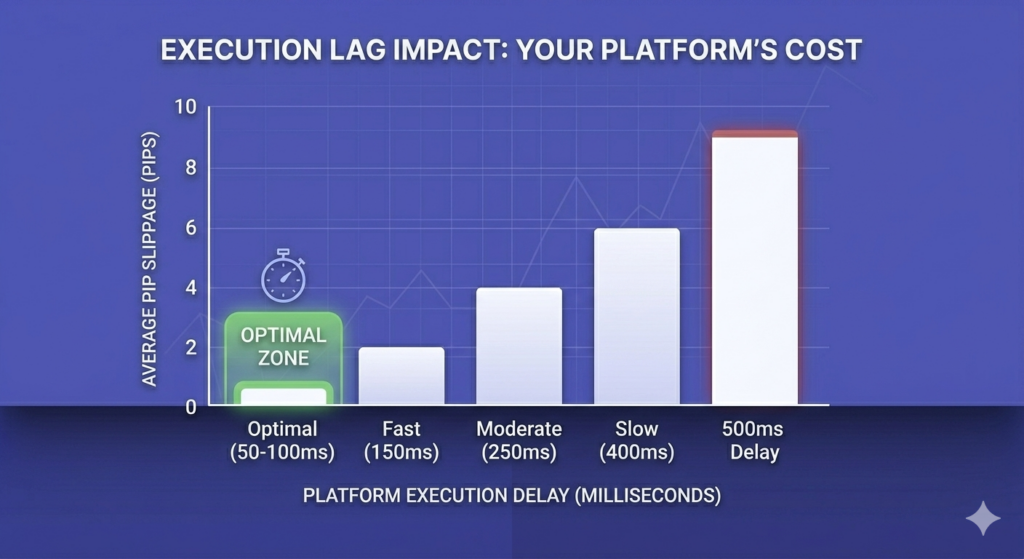
When I first committed to a structured daily plan, I quickly noticed that small technical friction points compound into massive emotional mistakes. If a platform lags by even two seconds during a volatile breakout, your entries get skewed, your risk parameters disappear, and frustration takes over.
A reliable daily framework requires three core technical pillars:
- Immediate Chart Responsiveness: The ability to switch timeframes instantly without waiting for candles to reload.
- Uncluttered Spatial Awareness: Keeping indicators, open positions, and balance metrics clearly visible without blocking the price action.
- Streamlined Order Processing: Moving from analysis to an active position with a single click or tap.
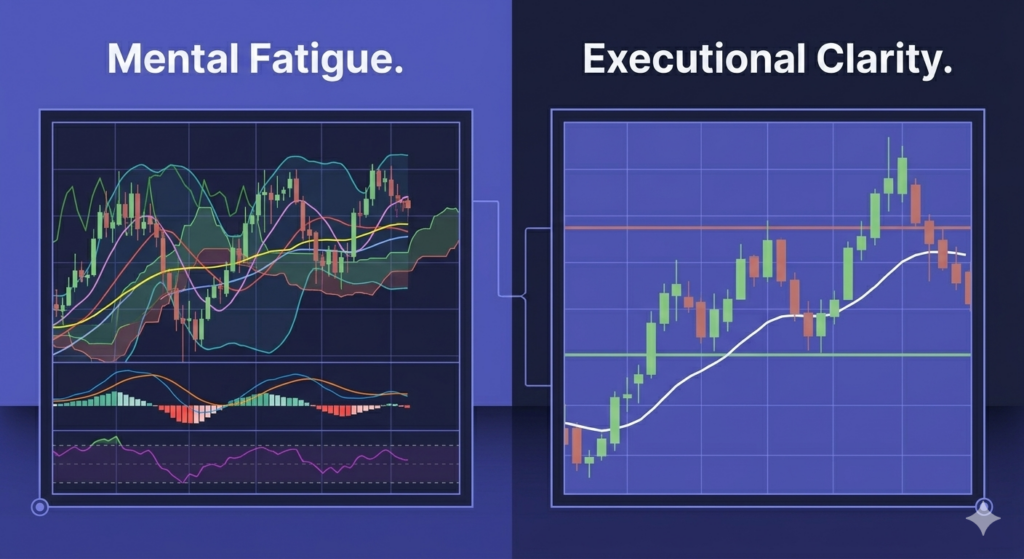
If your current setup forces you to fight through menus just to adjust a stop loss, you are burning valuable mental energy before the market even moves. I spent months reviewing popular platforms to find tools that actually respect a trader’s focus.
If you are just starting out with limited capital, protecting your mental clarity is just as vital as managing your balance. I recommend reviewing our detailed fast decision guide for beginners to understand how different layout styles impact early performance.
My First Major Test: Stripping Away the Chaos
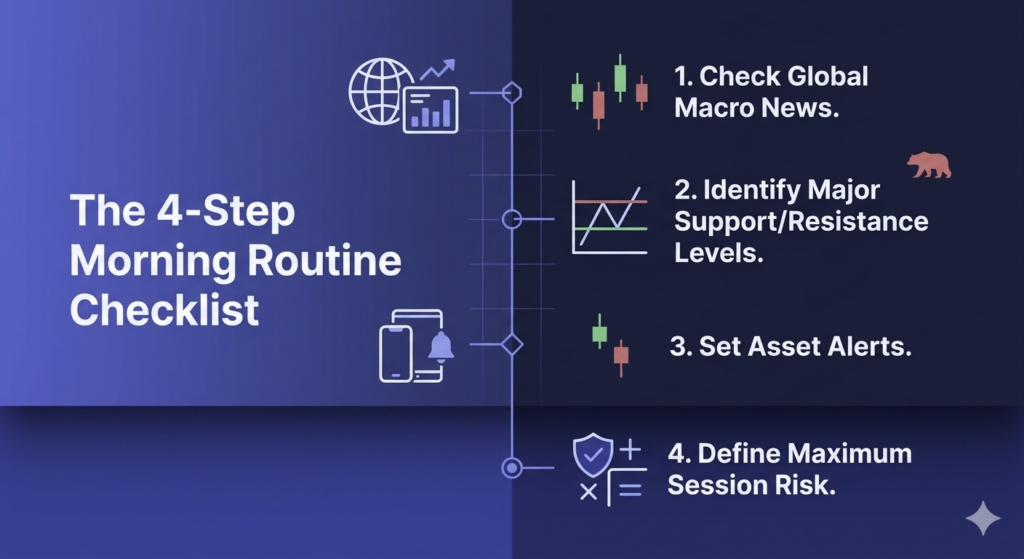
My search for a clean workspace led me to look closely at platforms designed to remove unnecessary noise. I needed an environment where I could open a chart, apply clean support and resistance levels, and execute without dealing with complicated sub-menus.
During this journey, I decided to pitch two major platforms against each other to see how they handled fast-paced market sessions. I spent weeks tracking how they managed orders, handled sudden data spikes, and fit into a structured morning workflow.
For traders who prefer to manage their accounts entirely from a phone during a morning commute, the layout efficiency of your software makes a massive difference. You can read my complete breakdown on this dynamic in our comprehensive analysis of the Binomo vs IQ Option mobile app comparison.
The Micro-Account Strategy: Testing Binomo
I started my evaluation by opening an account with Binomo. My goal was simple: test how the engine performs under standard daily market conditions when utilizing a focused, low-capital strategy.
The interface is highly intuitive. It strips away complex corporate financial tools and leaves you with an ultra-clean canvas focused entirely on price action. For my personal setup, this meant I could quickly map out key liquidity pools and structural shifts without any visual distractions.
The charting engine is surprisingly smooth, and order tracking is embedded directly into the side panel. This allows you to monitor your open risk without losing sight of the active candle. If you want to see how this system behaves during active market hours, you can explore the platform features yourself by visiting the Binomo Official Registration Portal.
The Analytical Workflow: Testing IQ Option
Next, I moved over to IQ Option to see how it handled a completely different style of trading. If Binomo represents minimalism, IQ Option represents an analytical dashboard designed for data lovers.
The multi-chart management system within this interface is exceptional. During my mid-day sessions, I prefer to track correlated assets simultaneously, such as tracking major currency pairs alongside index movements. This system lets you split your screen into multiple independent windows, allowing you to monitor four distinct asset classes at the exact same moment without losing rendering speed.
The built-in technical toolset is dense, offering extensive historical data feeds and customizable moving averages that snap directly to the price bars. If your daily methodology relies heavily on multi-timeframe analysis and indicator confluences, you can test these charting capabilities directly via the IQ Option Affiliate Portal.
To see a direct head-to-head performance breakdown of these platforms when operating with smaller capital limits, check out our report on Binomo vs IQ Option for small accounts.
Moving Beyond the Basics: Adapting to Specialized Instruments
As my routine matured, my needs expanded past basic currency pairs. I began looking for platforms that could provide continuous market access without requiring me to completely rewrite my strategy every time the traditional market closed for the weekend.
This phase of my career led me to experiment with alternative asset classes, specifically synthetic indices. These instruments simulate real-world market movements using secure cryptographic algorithms, providing smooth price action around the clock.
For this specific workflow, Deriv stood out as a premier choice. The platform separates standard asset pairs from synthetic indices, allowing you to run completely automated backtests on custom assets while keeping your everyday chart views untouched. If you are eager to diversify your asset list, you can check out their setup options directly at the Deriv Tracking Portal.
Choosing between these advanced systems requires careful consideration of how they process information. If you are torn between data-heavy dashboards and specialized indices, our deep dive on Deriv vs IQ Option for synthetic indices explains exactly how to map out your selection.
Managing Risk on Small Balances
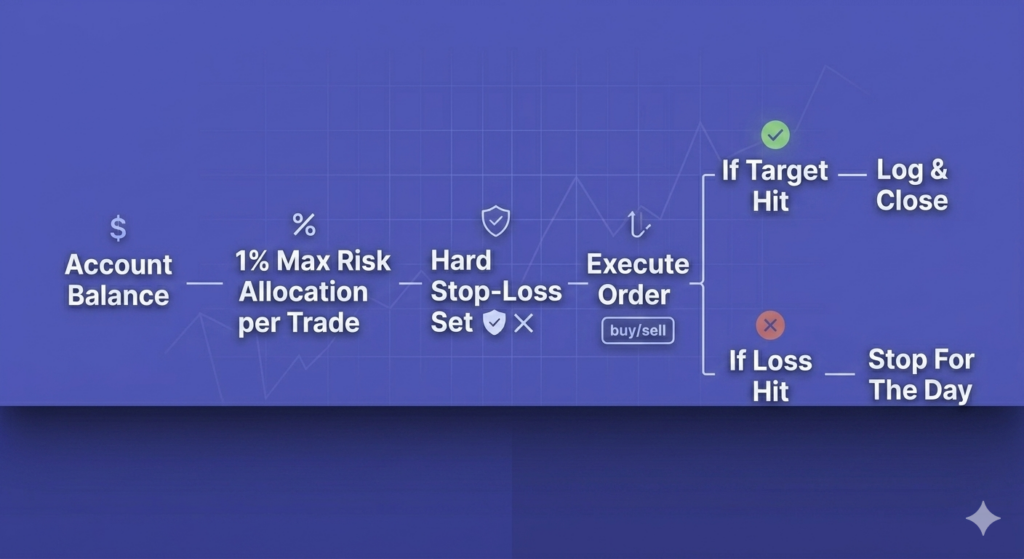
Regardless of which specific interface captures your attention, your long-term survival in this industry depends entirely on your capital preservation rules. When I started out, I used to think that turning a small account into something substantial required taking huge risks on every single position. That assumption is exactly how accounts get wiped out.
True consistency is built by treating a tiny fifty-dollar balance with the exact same discipline as a fifty-thousand-dollar fund. You must master the math of small percentages before you can ever manage larger figures effectively.
If you are currently trading with a modest account, you need to understand the precise mechanics of capital preservation. Take the time to study our guide on risk management for small accounts to learn how to lock in gains without risking your entire base.
Advanced Platforms for Experienced Scalpers
If your personal morning workflow is focused on hyper-fast, high-volume executions, you might find standard mainstream platforms a bit restrictive. When every fraction of a second counts, having specialized routing setups can be an absolute game-changer.
For advanced phases of my routine, I often look at alternative platforms that focus heavily on lightning-fast trade entries:
- Quotex: Famous for its incredibly fast order routing engine and highly responsive short-term charts. You can check out their layout directly via the Quotex Quick Sign-Up Link.
- ExpertOption: A great alternative for traders who like to run multi-asset screens simultaneously on a single monitor. You can review their engine at the ExpertOption Registration Page.
- Olymp Trade: Known for its reliable data streams and steady server connections during peak news events. You can explore their tools on the Olymp Trade Portal.
- CapitalCore: Built specifically for processing advanced institutional orders without manual intervention. You can view their portal at the CapitalCore Registration Engine.
If you are curious about how a real account handles these faster, high-execution environments day by day, take a look at our transparent Quotex live case study.
The Missing Link: Moving Past Software to Unlocked Mastery
Finding the right broker layout, clean chart rendering, and instant execution speeds is an absolute prerequisite for trading success. However, it is important to remember that even the most perfect platform is simply a tool. The tool still requires a trained mind to operate it effectively.
The reality of this business is that a software interface can display data beautifully, but it cannot stop you from over-leveraging your account, chasing a losing position out of anger, or misinterpreting a complex macroeconomic shift.
To bridge the gap between technical infrastructure and true daily profitability, you need deep market analysis, real-time context, and institutional-grade insights that show you what is actually happening behind the price action.
If you are ready to stop guessing at technical patterns and want to start building a data-backed edge in your morning sessions, join our community of elite market analysts. Upgrade your strategy today through the Becoin Premium Tariff Plan to secure institutional-grade market data, deep asset analysis, and advanced execution structures that will elevate your daily trading routine.
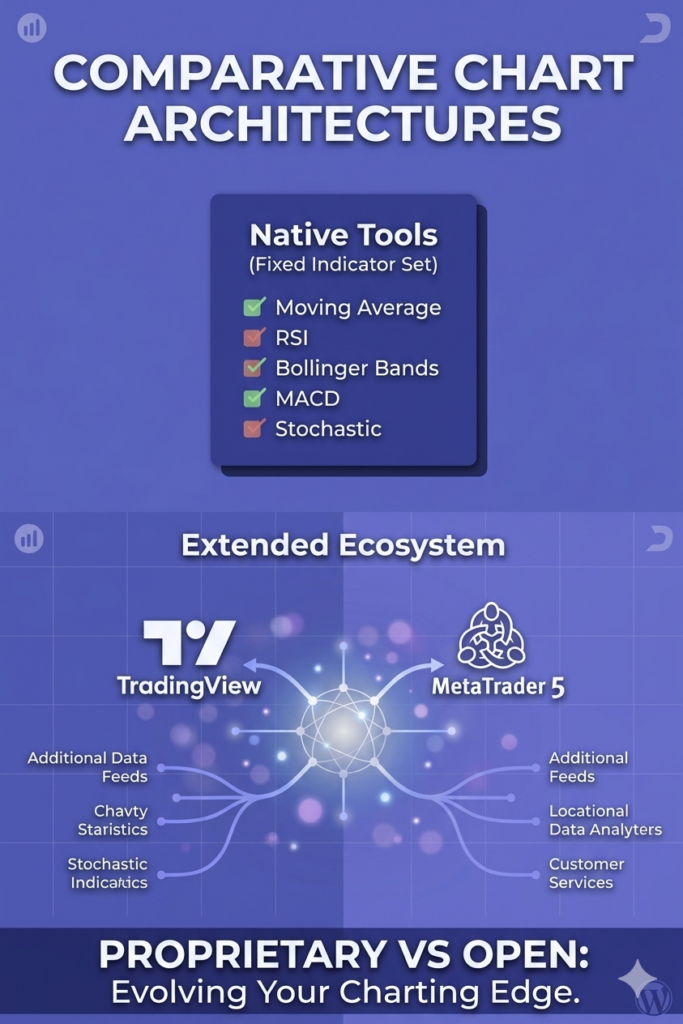
IQ Option vs Deriv Chart Comparison
The Night I Realized My Charts Were Lying to Me It was three in the morning, the exact hour when the market looks either like a goldmine or a psychological hazard. I was sitting in front of two monitors, a lukewarm mug of coffee in hand, watching a critical support level on EUR/USD. On my […]
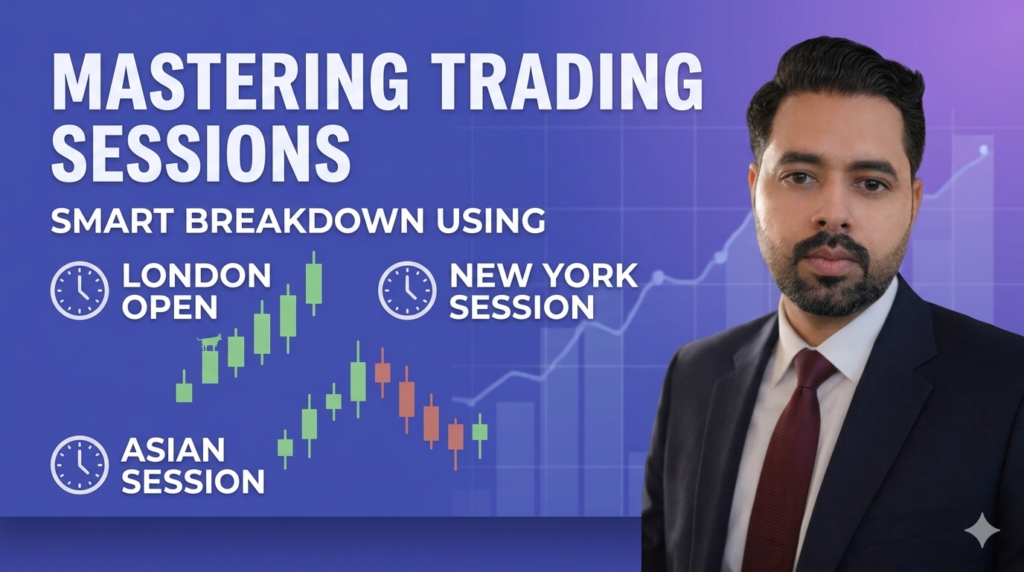
The Clock and the Cash: My Journey into the Hidden Rhythm of Session-Based Trading
There was a time when I thought the global financial market was a single, monstrous wave that never stopped moving. I believed that if I sat in front of my monitors long enough, clicking buttons whenever a pretty pattern appeared on my charts, the market would eventually reward my sheer endurance. I was dead wrong. […]
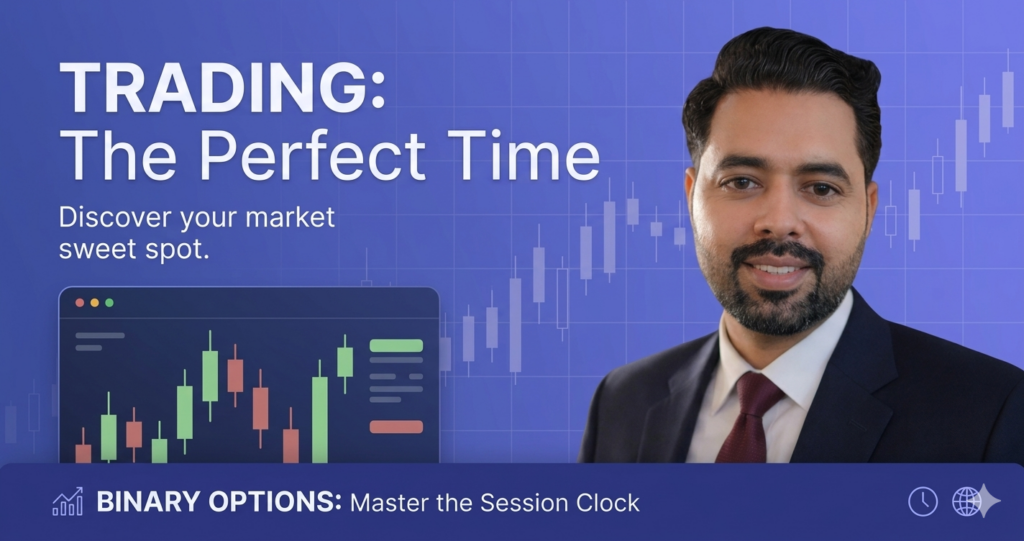
The Clock and the Candle: How I Stopped Guessing the Best Time to Trade Day Trading
I still remember the night I blew my third trading account. It was 11:30 PM. The house was completely quiet, the market charts on my screen were barely crawling, and I was forcing trades out of pure impatience. I kept staring at a flatline asset, placing one-minute positions, convinced that the market owed me a […]

How I Learned to Sit on My Hands During Choppy Markets
I remember the morning vividly. It was a Tuesday. The coffee on my desk was still piping hot, the charts on my screen were blinking, and I was feeling incredibly confident. I had just finished reading about how market open hours create the best trading opportunities, and I was ready to hunt for a clean […]

Which Broker Is Better for Weekend Trading?
It was a chilly Saturday morning, and while the rest of the world was sleeping in or catching up on shows, I was staring at a completely frozen screen. My usual EUR/USD chart looked like a heart monitor flatlining. The traditional markets were closed. The banks were shut down. For a long time, that was […]
Deriv Copy Trading (DBot & Signal Services): Can Automation Beat Manual Trading?
When I first started trading on Deriv, everything I did was manual. Every entry, every exit, every mistake. I would sit in front of charts watching price ticks move on synthetic indices, trying to time trades perfectly. Some days I would catch a streak of wins and feel like I had finally figured it out. […]