Wheat: Prices Rebound as Weather and Global Supply Risks Return to Focus
- Wheat is volatile: U.S. wheat futures have experienced sharp swings as traders reassess global crop and supply conditions.
- El Niño adds uncertainty: Extreme weather risks could affect agricultural production later this year.
- $650–660 is important: Holding this area could support recovery, while a breakdown would reopen lower levels.
Wheat Fundamental Analysis
Wheat markets are becoming increasingly sensitive to weather and geopolitical developments as traders look beyond current inventories toward the next stage of the global crop cycle.
Recent U.S. wheat futures have experienced significant volatility, with prices moving sharply higher through July before retreating. The market has traded in a wide range as investors attempt to balance strong global inventories against the possibility of weather-related supply disruptions.
The latest global agricultural outlook is particularly interesting because the world is entering a period of heightened El Niño risk. Historically, major El Niño events have disrupted agricultural production and caused sharp increases in food prices.
However, the current situation is different from previous cycles.
Global grain inventories are relatively strong, while improvements in farming technology, irrigation, drought-resistant varieties and agricultural productivity have made producers better prepared for weather shocks.
That means a weather event does not automatically translate into a supply crisis.
The bigger concern is whether multiple disruptions occur simultaneously.
Geopolitical developments are another factor. Ongoing instability around major shipping routes can increase transportation and fertilizer costs. Higher energy prices can eventually raise farming expenses because modern agriculture relies heavily on fuel, fertilizers and transportation.
The Black Sea remains particularly important because Russia and other major exporters play a significant role in global wheat supply.
If shipping disruptions intensify, buyers could become more dependent on alternative suppliers, potentially creating regional price premiums.
On the other hand, comfortable inventories provide a significant bearish counterweight. If weather remains favorable and major exporters maintain strong shipments, wheat prices could struggle to sustain large rallies.
The fundamental picture is therefore balanced between ample supply today and increasing weather/geopolitical uncertainty for the months ahead.
Wheat Technical Analysis
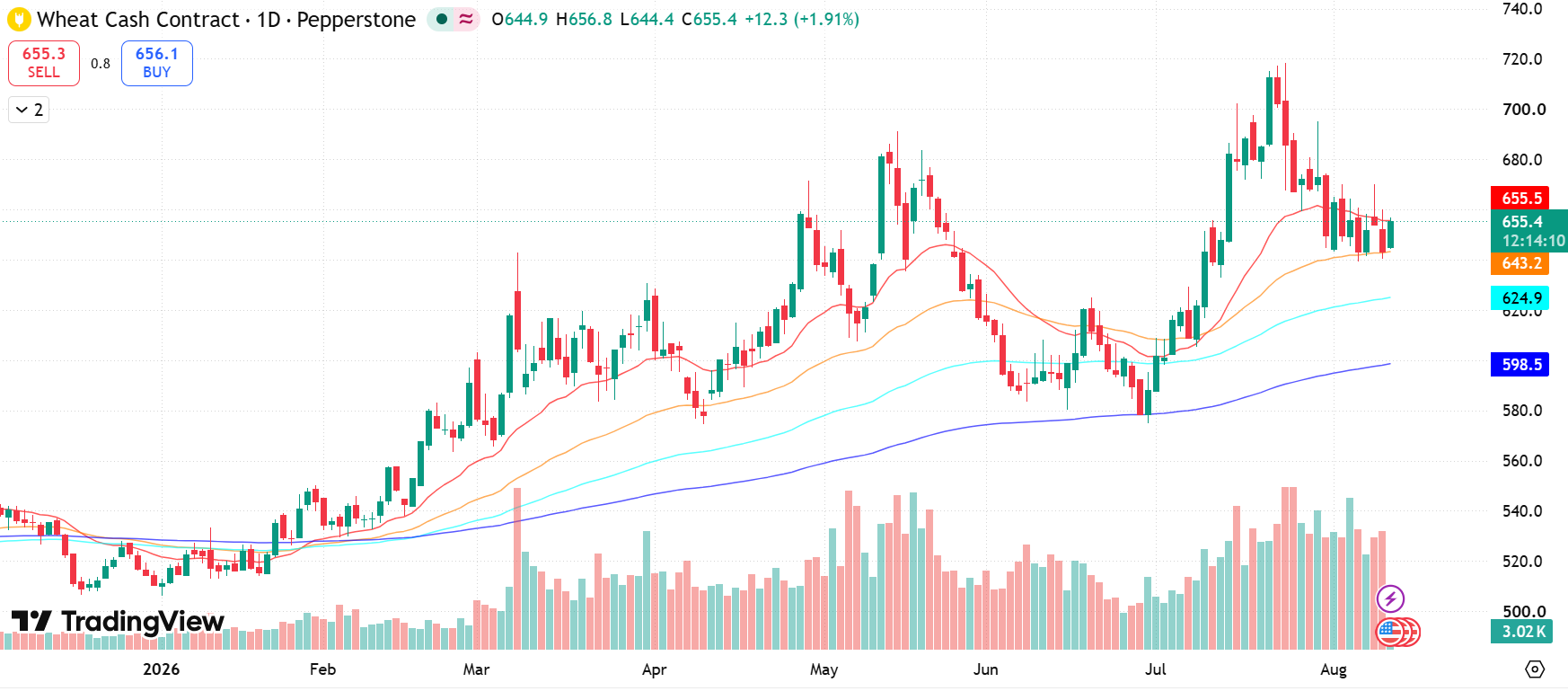
U.S. wheat futures recently traded around the $650–660 area after experiencing a substantial July rally.
The immediate resistance zone is around $670–680. A sustained move above this area could strengthen bullish momentum and potentially target $700, followed by the previous high around $710–715.
The downside picture becomes more concerning below $650.
A decisive break beneath that level could send prices toward $630–635, while a deeper correction could expose the $600 psychological area.
The chart is therefore sitting near an important decision point.
A breakout above $680 would indicate that buyers are beginning to price additional supply risks into the market. Failure to clear that zone would leave wheat vulnerable to another period of sideways trading.
The fundamental story also favors volatility rather than a straightforward directional trend. Strong inventories limit the immediate upside, but weather and geopolitical risks can change the supply outlook quickly.
For now, $650 support and $680 resistance are the two levels traders should watch most closely.
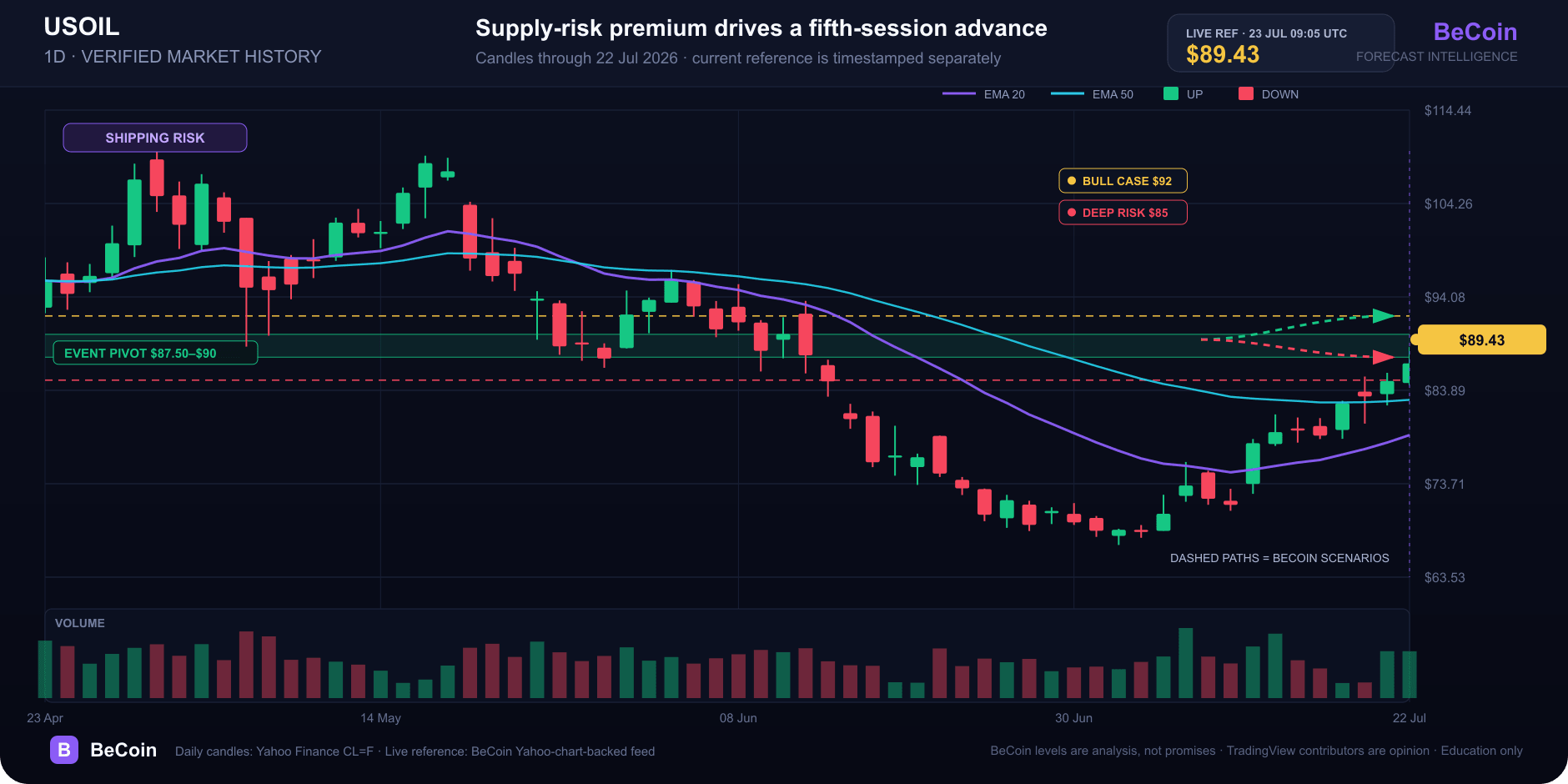
WTI reaches $89.43 as Brent clears $95 on renewed supply risk
WTI traded near $89.43 while Brent moved above $95 as Middle East shipping risk lifted crude for a fifth session. Key levels, catalysts and invalidation.

How Liquidity Affects Day Trading Results
When I first started trading day trading, I believed success was all about finding the perfect indicator. I spent weeks testing moving averages, RSI settings, support and resistance levels, and dozens of YouTube strategies that promised easy wins. Some worked for a few trades, but most failed. What confused me was that the same setup […]
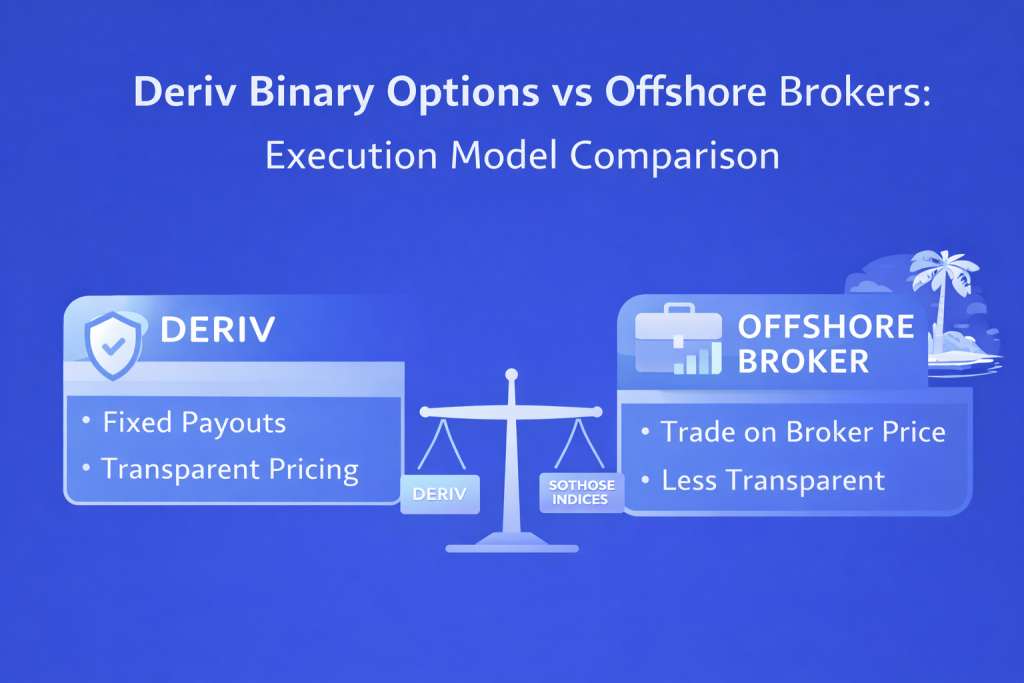
Deriv Day Trading vs Offshore Brokers: Execution Model Comparison
I did not start my trading journey thinking about execution models. Like most beginners, I started with charts, indicators, and the belief that if I could just find the right entry signal, profits would follow. My early trading notebook was full of screenshots of RSI signals, candlestick patterns, and support levels. What it did not […]
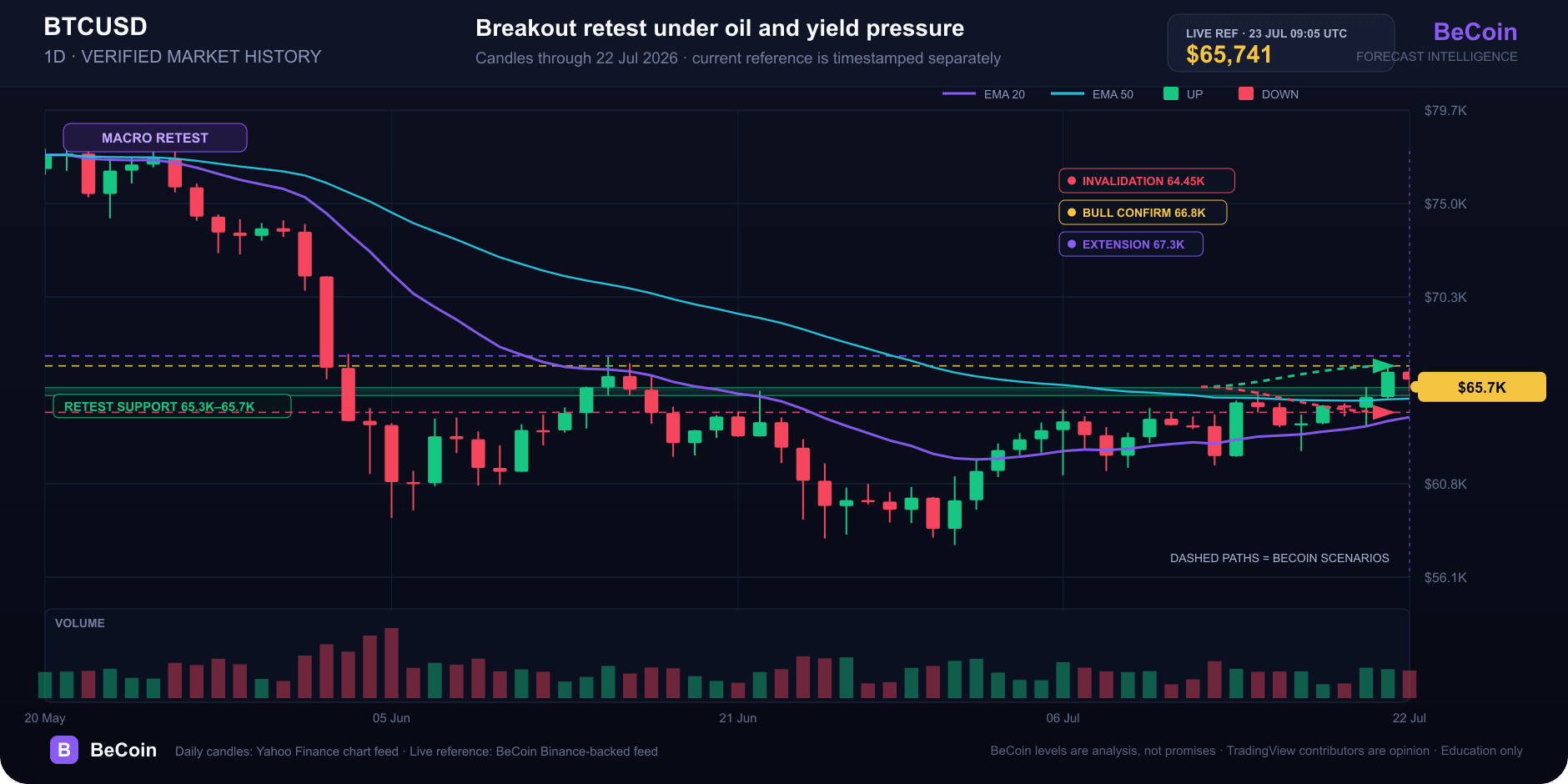
Bitcoin slips to $65,741 as oil and yields test the breakout
Bitcoin is near $65,741 as rising oil and Treasury yields test the $65.7K breakout floor. Here are the levels that confirm or invalidate the move.

The Clock and the Cash: My Journey into the Hidden Rhythm of Session-Based Trading
There was a time when I thought the global financial market was a single, monstrous wave that never stopped moving. I believed that if I sat in front of my monitors long enough, clicking buttons whenever a pretty pattern appeared on my charts, the market would eventually reward my sheer endurance. I was dead wrong. […]

IQ Option vs Deriv Chart Comparison
The Night I Realized My Charts Were Lying to Me It was three in the morning, the exact hour when the market looks either like a goldmine or a psychological hazard. I was sitting in front of two monitors, a lukewarm mug of coffee in hand, watching a critical support level on EUR/USD. On my […]