
NZD/USD Slips After Weak New Zealand Jobs Data Strengthens Case for RBNZ Rate Cut
The New Zealand dollar came under renewed selling pressure on Tuesday after weaker-than-expected labor market data reinforced expectations that the Reserve Bank of New Zealand (RBNZ) will continue easing monetary policy. NZD/USD retreated toward the 0.5870 - 0.5880 area as investors reacted to a rise in New Zealand's unemployment rate to its highest level in more than a decade, signaling that the country's labor market is losing momentum. The disappointing figures have prompted traders to increase bets that the RBNZ could deliver another interest rate cut at its upcoming policy meeting.
The kiwi's decline was also supported by cautious sentiment surrounding the U.S. dollar. Although the Federal Reserve kept interest rates unchanged last week, policymakers maintained a relatively hawkish tone, leaving the door open for additional tightening should inflation remain persistent. Investors are now turning their attention to upcoming U.S. ISM Services PMI data and Friday's Nonfarm Payrolls report, both of which could significantly influence the next move in the greenback.
From a technical perspective, NZD/USD has entered a short-term consolidation phase after failing to sustain its recent rally. The pair is pulling back from overbought conditions, with the Relative Strength Index (RSI) easing lower after flashing bearish divergence. However, the broader trend remains constructive as long as prices continue trading above the 50-day Exponential Moving Average (EMA), which is providing dynamic support. Immediate support is seen around 0.5850, followed by 0.5820, while initial resistance stands near 0.5900. A decisive break above that level could expose the psychological 0.6000 mark in the sessions ahead.
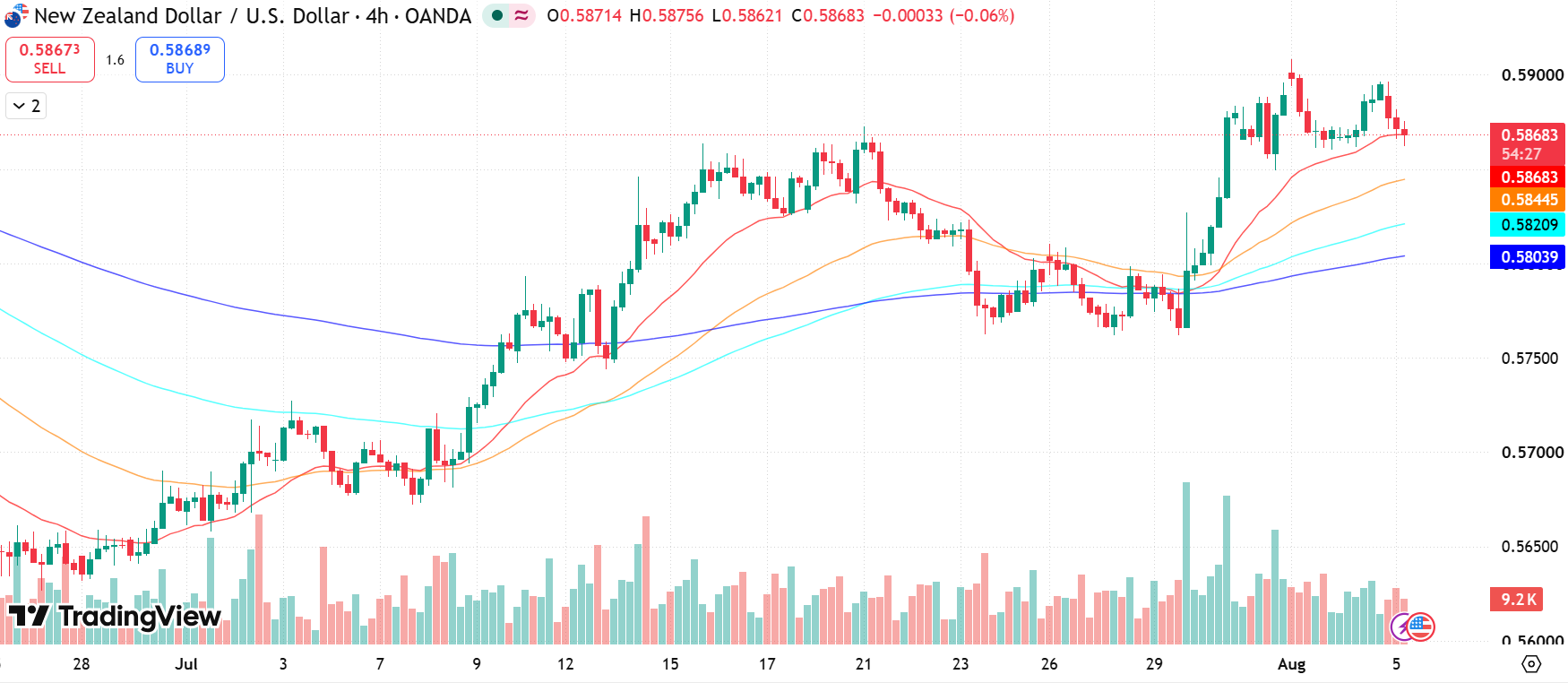
Looking ahead, traders will closely monitor U.S. economic releases and any comments from RBNZ officials for fresh direction. While softer New Zealand economic data has weakened the kiwi in the near term, broader U.S. dollar sentiment is likely to remain the dominant driver of NZD/USD through the remainder of the week.
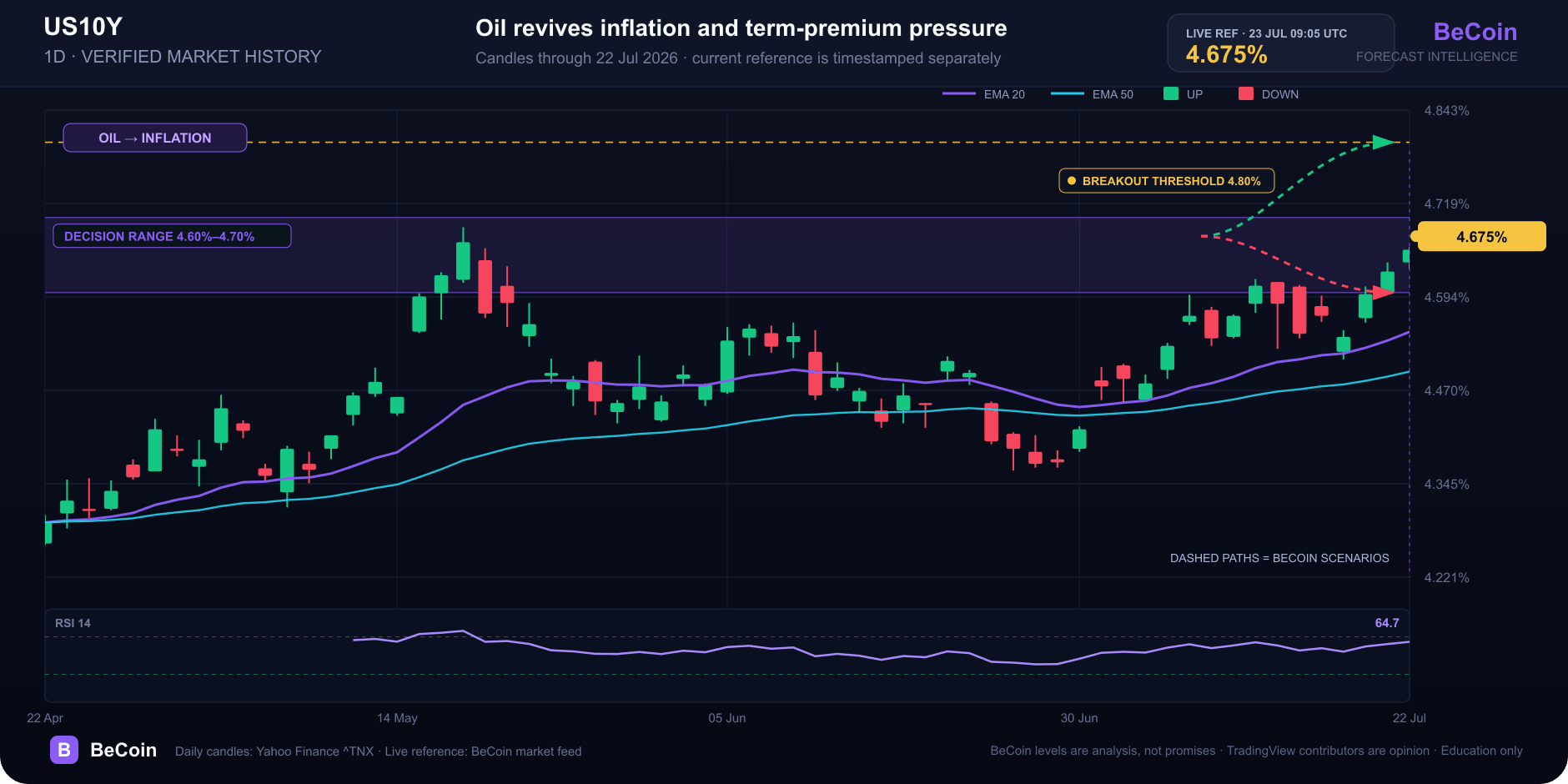
US 10-year yield reaches 4.675% as oil revives inflation pressure
The US 10-year yield reached 4.675% as oil prices rose and markets awaited labor data. What 4.70%, 4.80% and a reversal below 4.60% would mean.

Which Broker Has Better Risk Management Tools?
The burning smell of my own account blowing up is a scent I will never forget. It was a rainy Tuesday afternoon a few years back. I sat huddled over my laptop, watching a currency pair oscillate. Confident, arrogant, and entirely unprotected, I clicked buy. Minutes later, a sudden market spike completely wiped out my […]
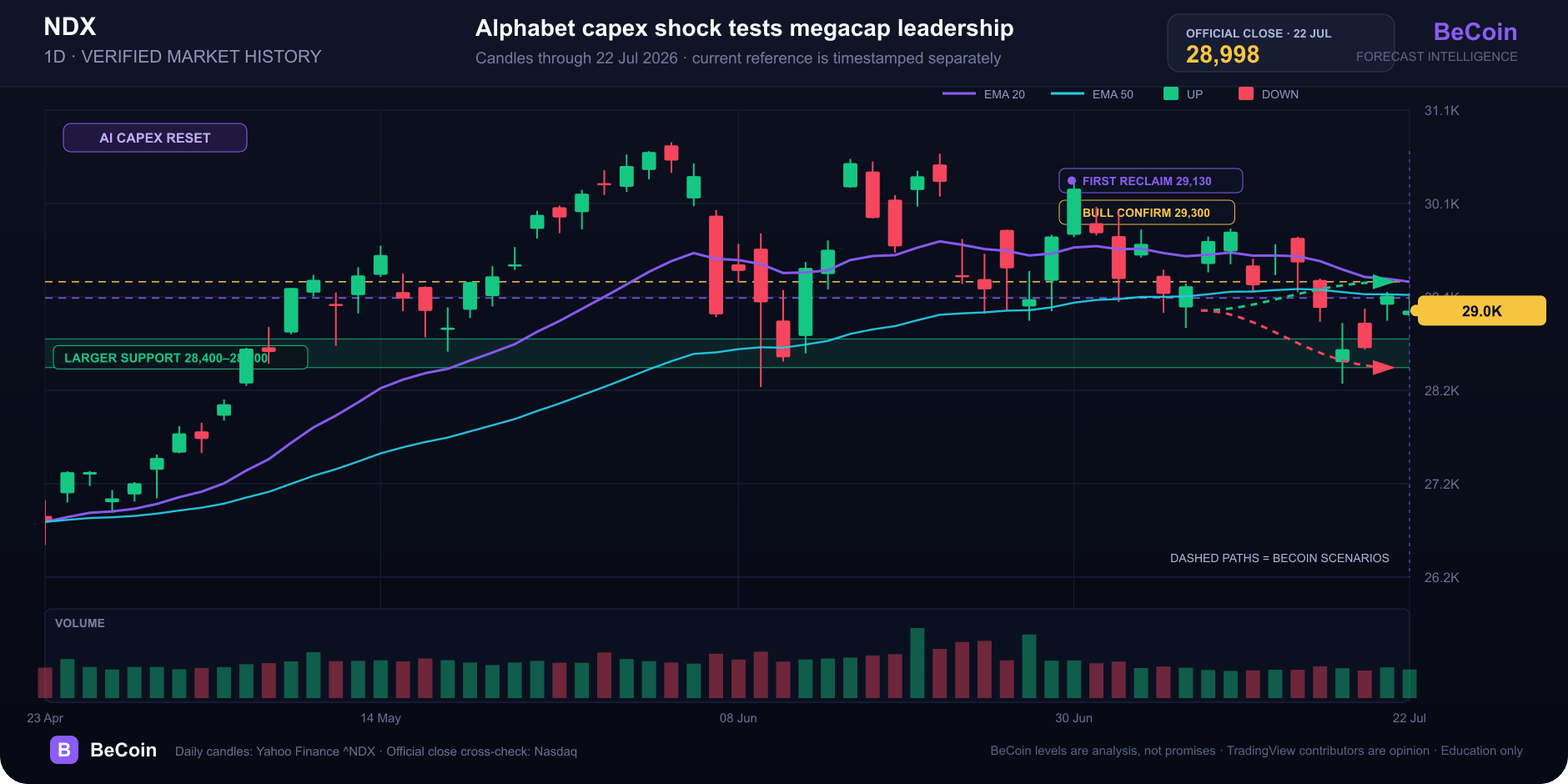
Nasdaq 100 closes at 28,998 as Alphabet spending resets AI risk
The Nasdaq 100 closed at 28,998.10 and futures slipped after Alphabet raised AI spending expectations. The 28,400–29,300 decision zone explained.

Trading Currency Strength Instead of Single Pairs
It was a Tuesday afternoon when I realized I was fighting a losing battle against a ghost. My screen was a chaotic web of indicators. I had the EUR/USD chart open, a moving average crossing over here, a relative strength index flashing oversold there, and a price action setup that looked textbook perfect. I clicked […]

How Understanding Market Structure Saved My Binary Options Trading
I remember the exact moment my trading account hit zero for the third time in a single month. It was a rainy Tuesday evening, and I was staring at a 1-minute chart on my laptop screen. The price had been moving up aggressively. It looked like a flawless rocket ship to the moon. I clicked […]

How I Learned to Sit on My Hands During Choppy Markets
I remember the morning vividly. It was a Tuesday. The coffee on my desk was still piping hot, the charts on my screen were blinking, and I was feeling incredibly confident. I had just finished reading about how market open hours create the best trading opportunities, and I was ready to hunt for a clean […]