
USD/JPY Outlook: Rising 20-Day EMA Keeps Bulls in Control Despite Yen Resilience
##
The USD/JPY pair traded with a modest bullish tone on Thursday, hovering around the 163.60 level as the U.S. Dollar remained supported by expectations that the Federal Reserve will maintain a relatively hawkish monetary policy. Although the Fed left interest rates unchanged, policymakers' cautious stance on inflation and multiple dissenting votes favoring tighter policy have reinforced expectations that another rate hike could still be on the table later this year.
On the Japanese side, the yen continues to face pressure from the significant interest rate gap between Japan and the United States. While traders remain alert to the possibility of intervention from Japanese authorities if the currency weakens further, the Bank of Japan's accommodative policy stance continues to limit the yen's recovery. Investors are now awaiting additional guidance from the BoJ regarding its inflation outlook and future policy direction.
From a technical perspective, the broader outlook remains constructive. USD/JPY continues to trade comfortably above its 20-day Exponential Moving Average (EMA), which is sloping higher and acting as dynamic support for the ongoing uptrend. The 14-day Relative Strength Index (RSI) remains in bullish territory without entering overbought conditions, suggesting buyers still have room to push prices higher. Immediate resistance is located near 164.00, followed by the recent highs around 165.00. A successful break above these levels could extend the rally further. On the downside, initial support is seen around the 20-day EMA near 162.20–162.40, with stronger buying interest expected if the pair retraces toward that region.
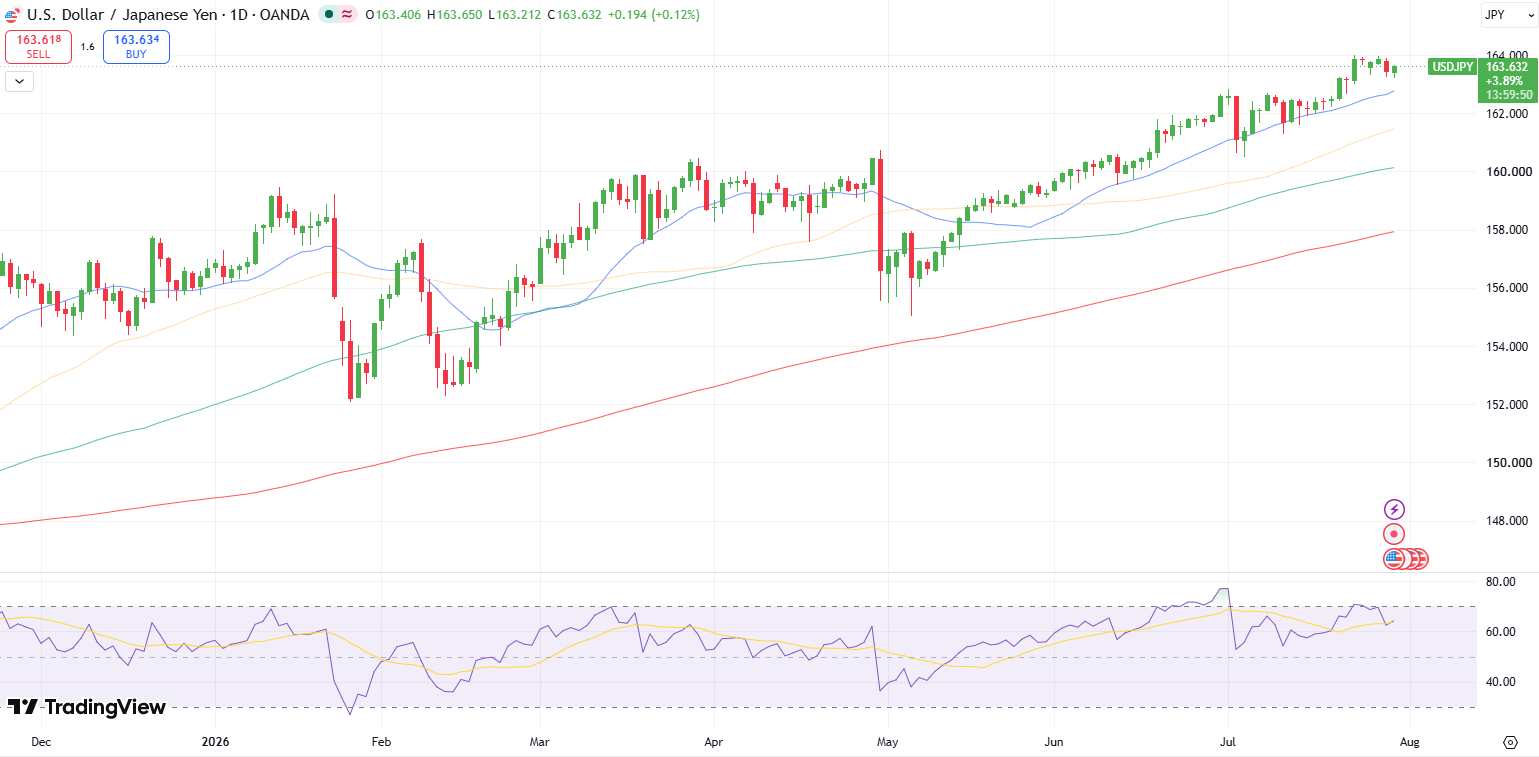
Looking ahead, traders will closely monitor upcoming U.S. inflation data, Treasury yield movements, and any comments from Federal Reserve and Bank of Japan officials. As long as the policy divergence between the two central banks remains intact and the pair holds above its rising 20-day EMA, the overall bias favors further gains, though occasional bouts of profit-taking and intervention concerns could increase short-term volatility.
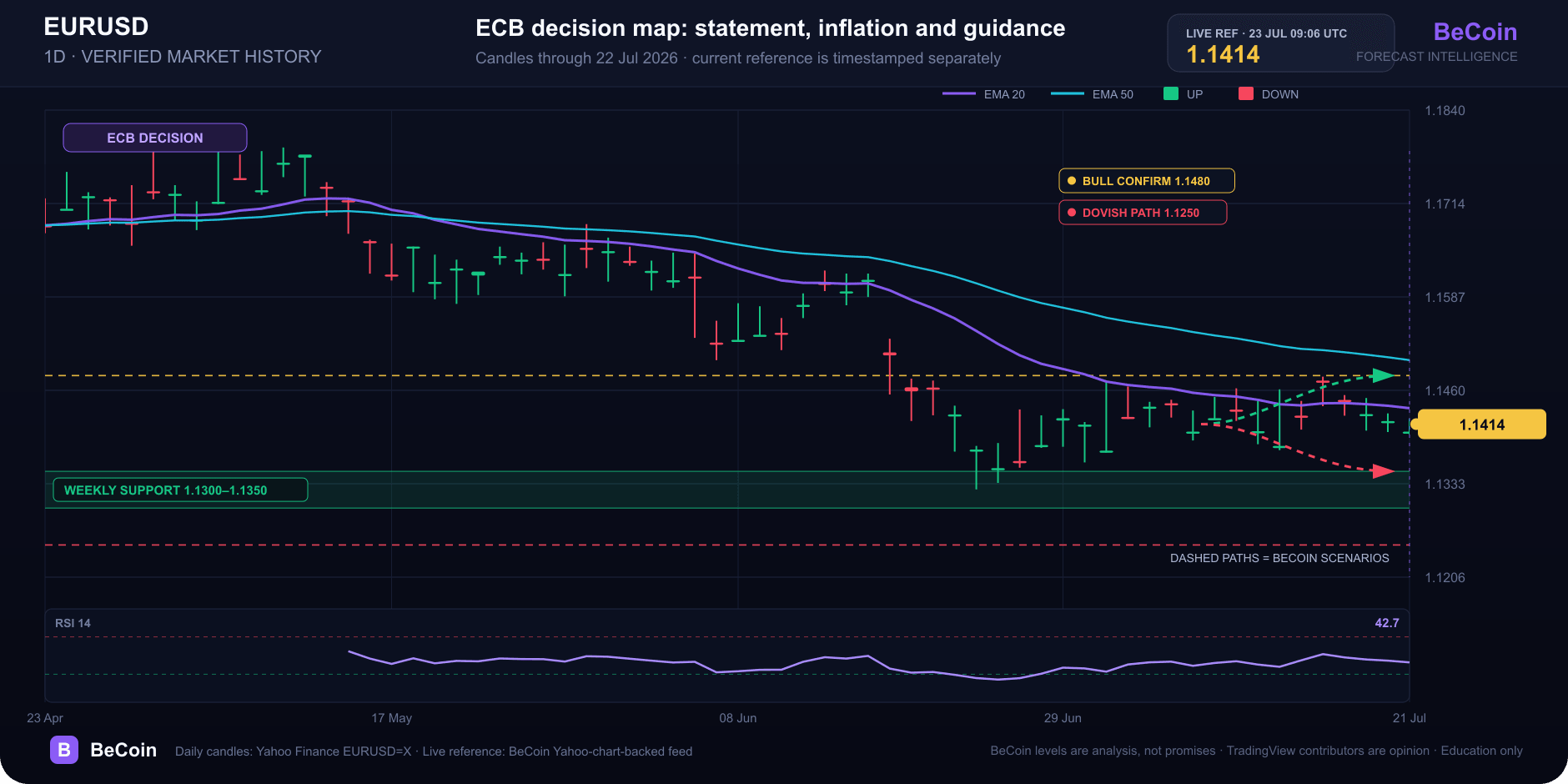
EUR/USD holds 1.1414 before the ECB decision: three scenarios
EUR/USD traded near 1.1414 before the ECB’s July decision. Here is what a hold, hawkish hold or surprise hike could mean for 1.1350 and 1.1480.

IQ Option vs Deriv Chart Comparison
The Night I Realized My Charts Were Lying to Me It was three in the morning, the exact hour when the market looks either like a goldmine or a psychological hazard. I was sitting in front of two monitors, a lukewarm mug of coffee in hand, watching a critical support level on EUR/USD. On my […]

$10 to $50 Trading Challenge – Strategy + Real Results (Case Study)
Turning $10 into $50 sounds easy until you actually try it. Small accounts expose every weakness in your trading. One bad decision can erase hours of progress, and emotional trading becomes much harder to control when every dollar matters. This case study breaks down how a $10 account was realistically grown to $50 using a […]

Is Capital Core Safe or a Scam? What Binary Traders Should Know Before Depositing
I’ll be honest: the first time I landed on Capital Core, I didn’t feel excited. I felt suspicious. That might sound strange coming from someone who has spent years around binary options and offshore brokers, but if you’ve traded long enough, you know the pattern. A polished homepage. Big payout claims. A low minimum deposit. […]
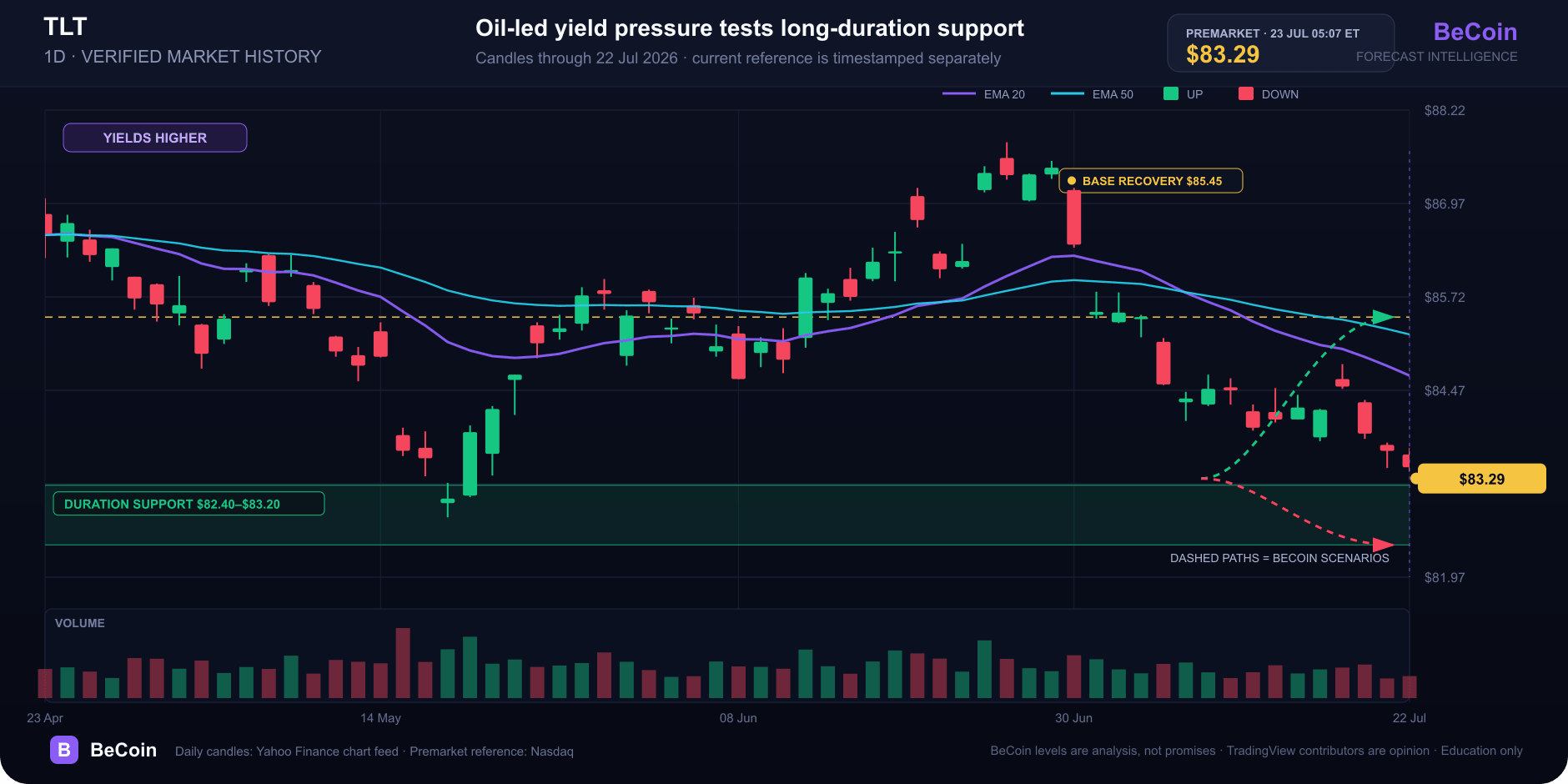
TLT slips to $83.29 as oil pushes long-duration risk back into focus
TLT traded near $83.29 premarket as oil and Treasury yields rose. Here is why duration matters and which levels separate a base from a breakdown.
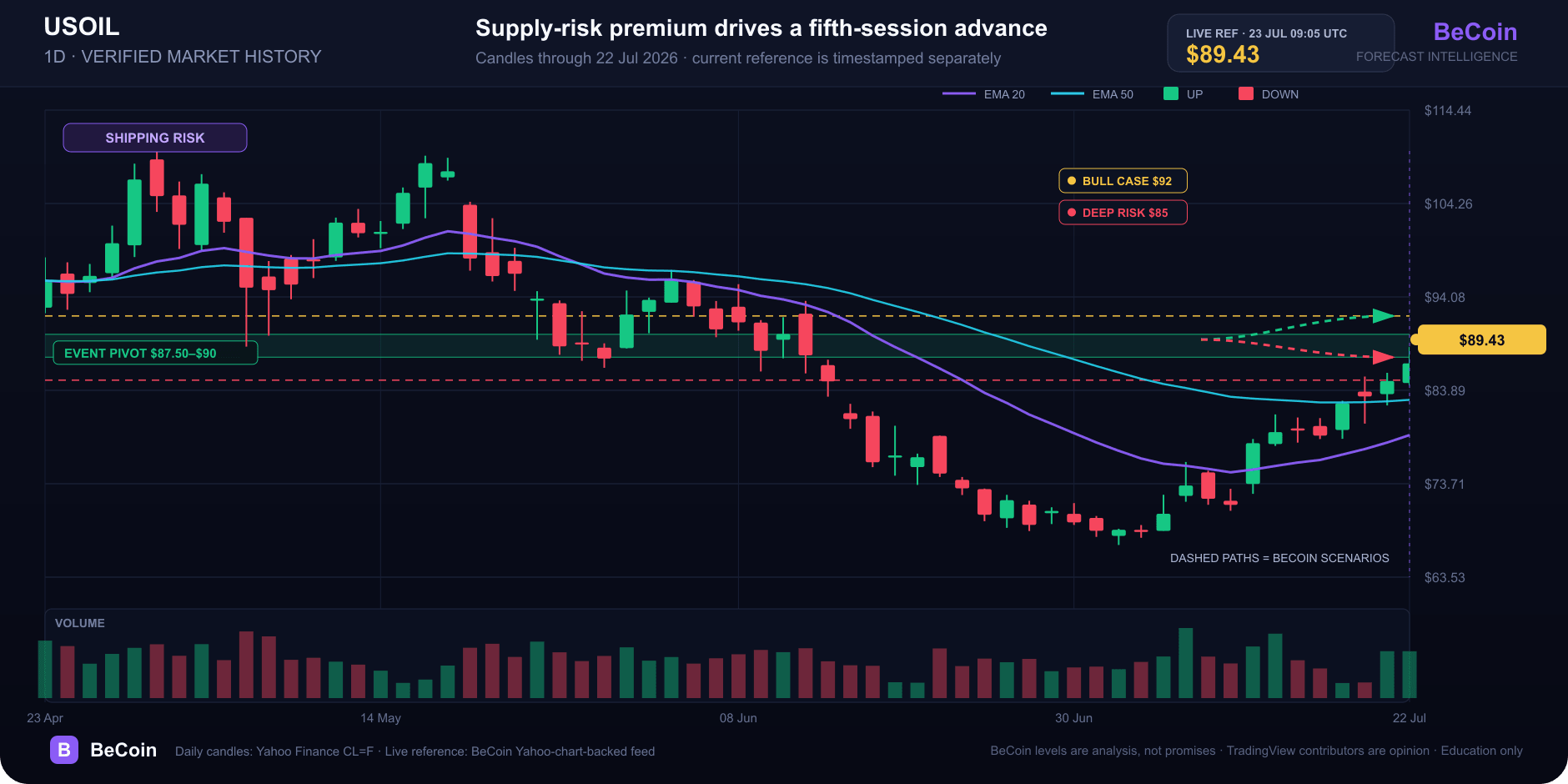
WTI reaches $89.43 as Brent clears $95 on renewed supply risk
WTI traded near $89.43 while Brent moved above $95 as Middle East shipping risk lifted crude for a fifth session. Key levels, catalysts and invalidation.