Natural Gas: Prices Slip as Rising Storage Offsets Summer Heat Demand
- Natural gas remains under pressure: Henry Hub futures are trading around $2.76–2.77 after giving back recent gains.
- Storage is the key problem: Strong production and expectations for high inventories are limiting the upside.
- $2.70 is important support: Holding this area could encourage a rebound, while a break risks another move toward $2.60.
XNG Fundamental Analysis
U.S. natural gas is facing renewed selling pressure even as summer temperatures continue supporting electricity demand. September Henry Hub futures recently settled around $2.77 per MMBtu, giving back part of the previous session's advance as traders focused on storage and supply conditions.
The fundamental problem for natural gas is increasingly becoming the size of expected inventories. U.S. storage is projected to reach approximately 3,985 billion cubic feet by the end of October, which would represent the highest pre-winter inventory level since 2016. That creates a substantial supply cushion heading into the period when heating demand normally becomes more important.
Production is another headwind. Strong domestic output has increased available supply, while LNG feedgas demand has not been consistently strong enough to absorb the additional production. That combination makes it difficult for natural gas prices to sustain rallies even when weather temporarily increases power-sector consumption.
Weather remains the major bullish counterweight. Persistent summer heat can significantly increase gas-fired electricity generation because power producers use natural gas to meet air-conditioning demand. Recent heat-related demand has therefore helped prevent a much deeper collapse in prices.
However, the market is becoming increasingly focused on what happens after the current cooling-demand period. If temperatures moderate while production remains elevated, the supply surplus could become more visible.
The EIA's latest outlook also expects the Henry Hub spot price to average around $2.87/MMBtu during the third quarter, reflecting its expectation of reduced LNG feedgas demand and strong production.
That leaves natural gas caught between short-term weather support and a more bearish medium-term inventory picture.
XNG Technical Analysis
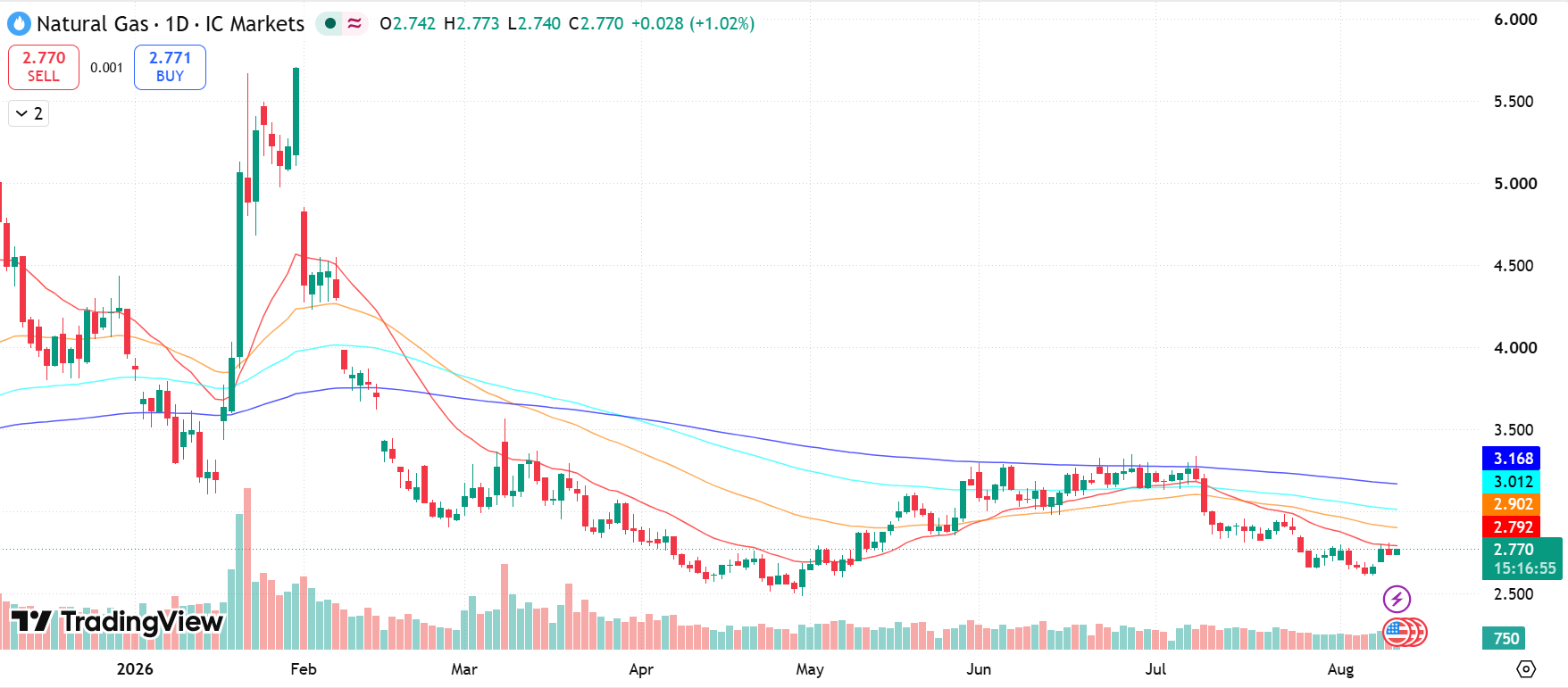
Natural gas is trading near $2.76–2.77, with the market attempting to stabilize after a prolonged decline. The recent price action suggests that sellers remain active, but the area around $2.65–2.70 is becoming increasingly important as a potential demand zone.
A sustained move above $2.80 would improve the short-term structure and could open the way toward $2.90–3.00. A move through the psychological $3 level would provide much stronger evidence that buyers have regained control.
On the downside, $2.65 is the first major support zone. A decisive break below it could expose $2.55–2.60, followed by the longer-term support around $2.50.
The technical setup is therefore still cautious. Natural gas has been unable to establish a convincing higher-high structure, and rallies are repeatedly encountering selling pressure.
A bullish reversal would require more than a one-day jump caused by hot weather. Buyers need to establish price above $2.80 and eventually reclaim $3 to demonstrate that the supply-driven bearish trend is changing.
For now, the fundamental picture remains mixed-to-bearish: hot weather provides temporary demand support, but high production and comfortable storage expectations remain the larger obstacles.

How Liquidity Affects Day Trading Results
When I first started trading day trading, I believed success was all about finding the perfect indicator. I spent weeks testing moving averages, RSI settings, support and resistance levels, and dozens of YouTube strategies that promised easy wins. Some worked for a few trades, but most failed. What confused me was that the same setup […]
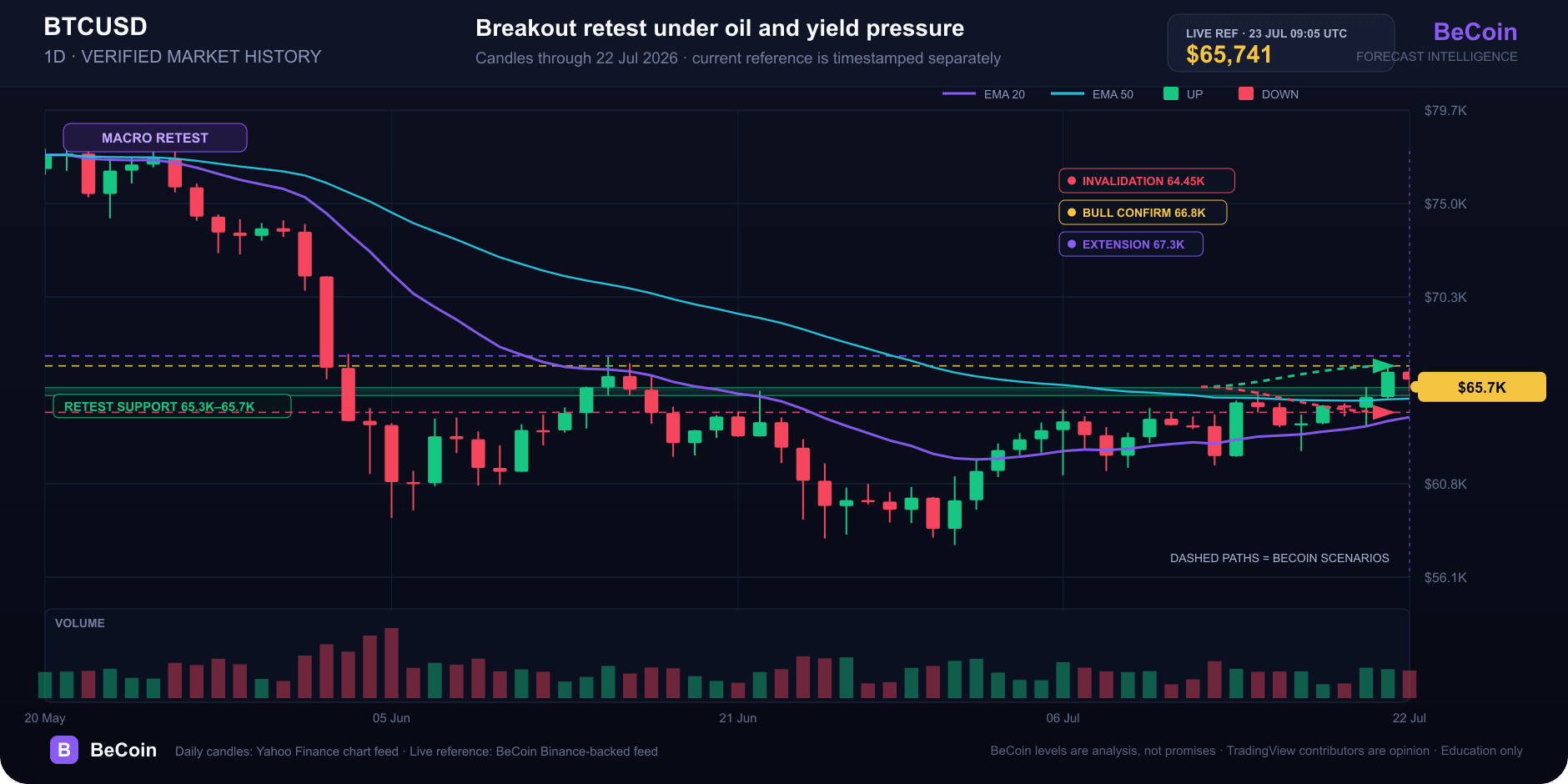
Bitcoin slips to $65,741 as oil and yields test the breakout
Bitcoin is near $65,741 as rising oil and Treasury yields test the $65.7K breakout floor. Here are the levels that confirm or invalidate the move.
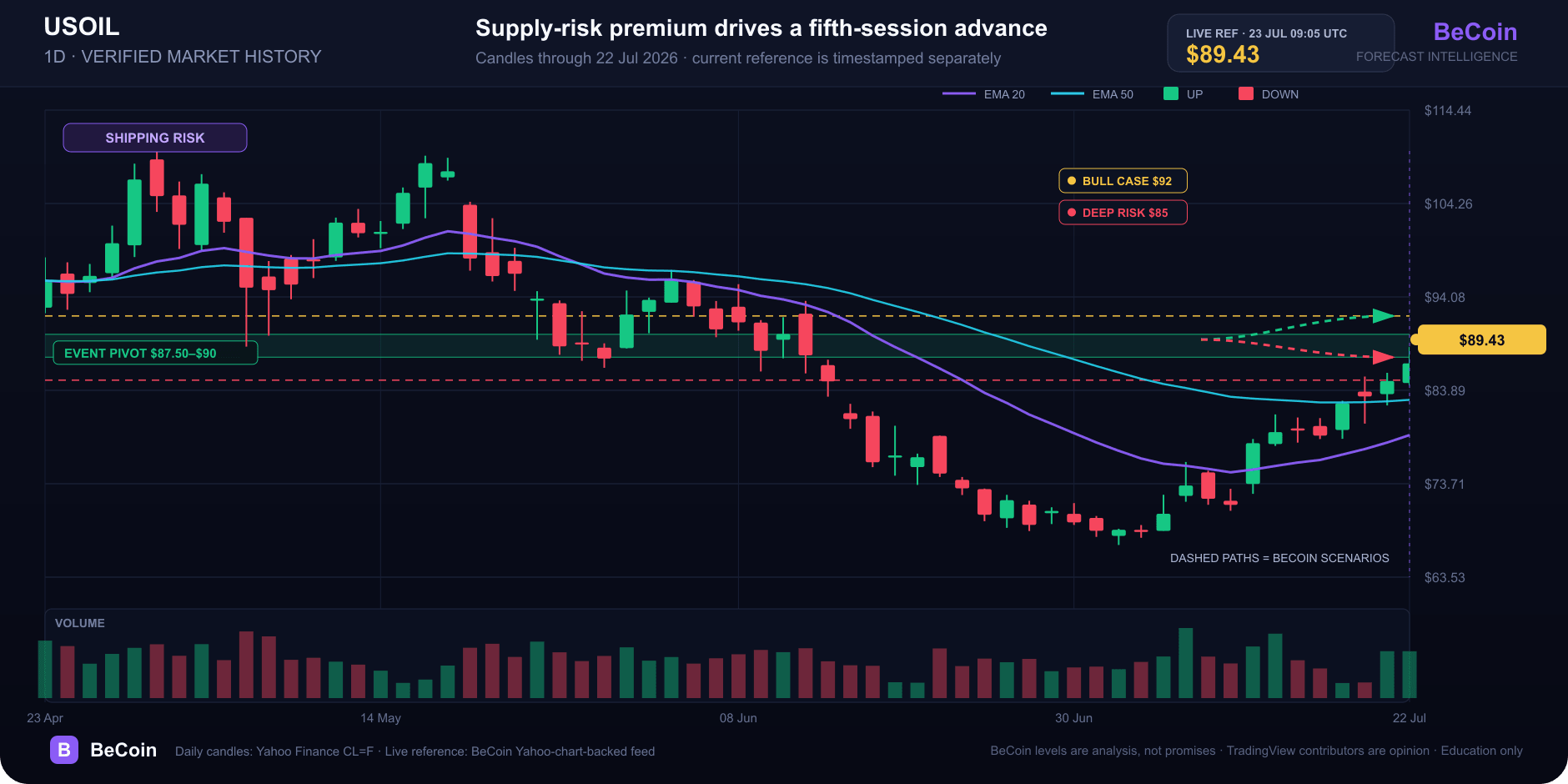
WTI reaches $89.43 as Brent clears $95 on renewed supply risk
WTI traded near $89.43 while Brent moved above $95 as Middle East shipping risk lifted crude for a fifth session. Key levels, catalysts and invalidation.
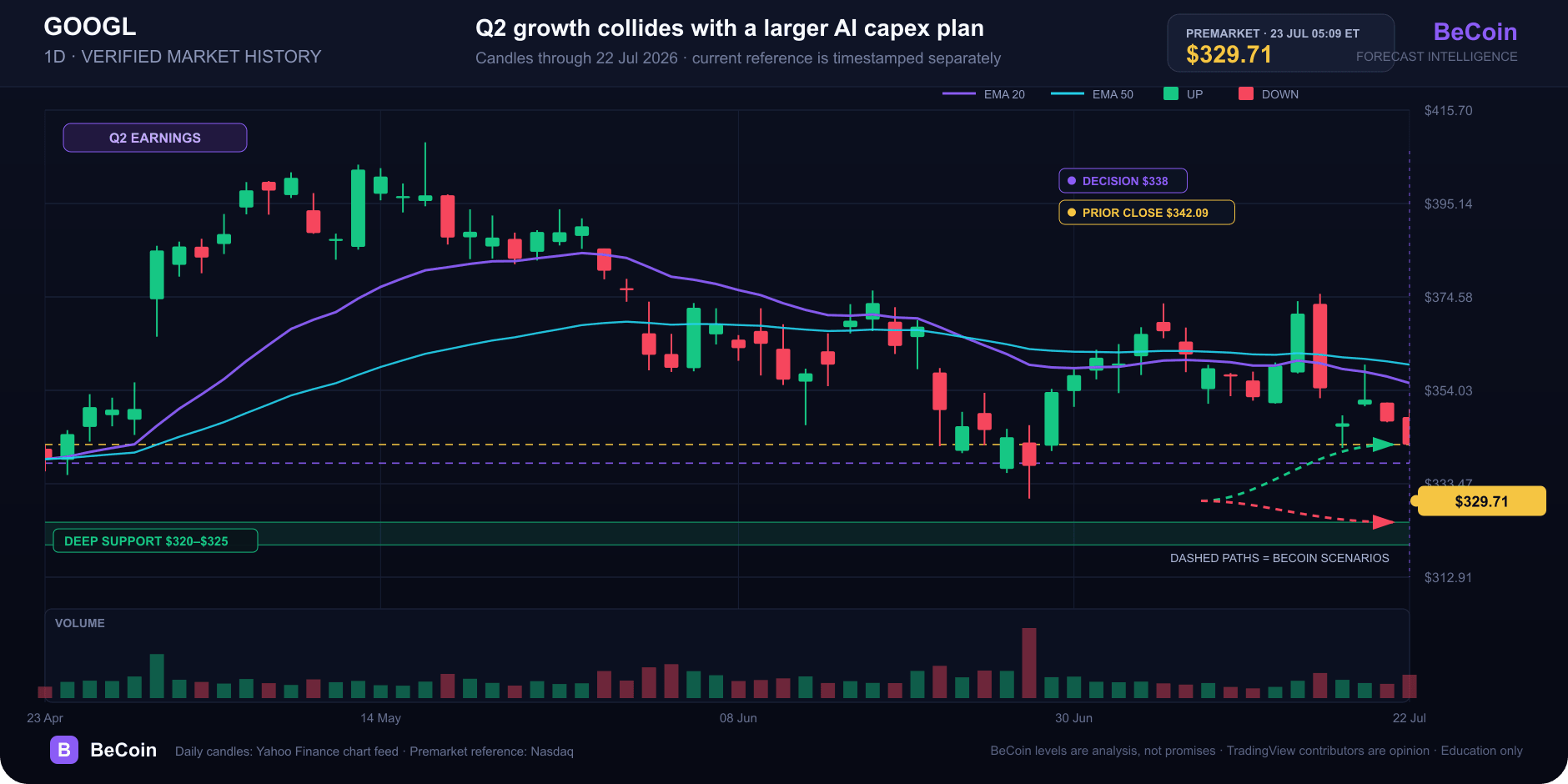
Alphabet falls to $329.71 premarket as AI spending eclipses cloud growth
Alphabet traded near $329.71 premarket after strong Q2 revenue and cloud growth collided with a much larger AI spending plan. What investors need to watch.

Binomo Support Contact Guide: What to Send So You Don’t Get Copy-Paste Replies
I didn’t take support seriously until my first withdrawal got stuck. At that point, I had already made a few decent trades and felt confident. But when the money didn’t arrive, I rushed to support and sent a quick message. It felt clear to me, but the reply I received was generic and didn’t solve […]
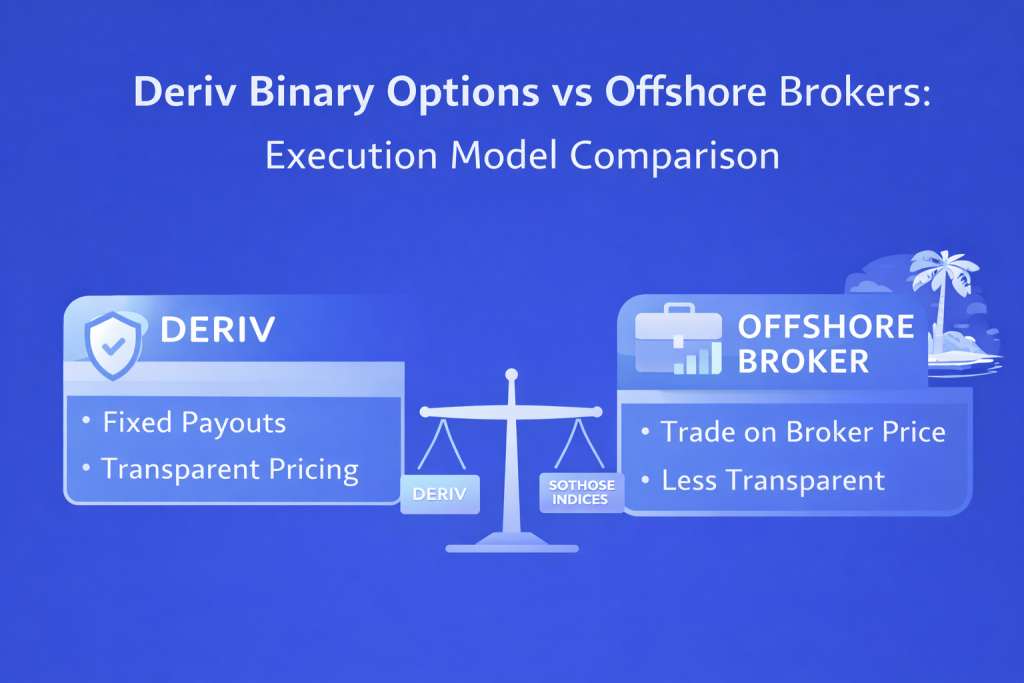
Deriv Day Trading vs Offshore Brokers: Execution Model Comparison
I did not start my trading journey thinking about execution models. Like most beginners, I started with charts, indicators, and the belief that if I could just find the right entry signal, profits would follow. My early trading notebook was full of screenshots of RSI signals, candlestick patterns, and support levels. What it did not […]