
Pocket Option Copy Trading Guide: How to Copy Traders Safely and Profitably
I still remember the first time I opened the copy trading page on Pocket Option. My heart raced a little. The idea that I could just click a button and have a pro trader make money sounded almost too good to be true. But like most things in trading, the reality was a little deeper than just “click and get rich.”
Over time, I learned how to use copy trading the right way. I also saw mistakes that cost me and others a lot of money. Today, I’ll share everything; the good, the bad, and the ugly. So, you can use Pocket Option copy trading like a real pro.
Pocket Option Copy Trading at a Glance
If you’re new to copy trading, here’s the short version:
- Choose a trader from the Pocket Option leaderboard.
- Set the amount you want to copy.
- Trades are automatically mirrored in your account.
- You can stop copying at any time.
- Profits and losses are shared proportionally based on your settings.
- Success depends largely on selecting the right trader and managing risk.
While copy trading can save time, it does not eliminate risk. The trader you follow can still lose money, which means your account can lose money too.
What Is Pocket Option Copy Trading?
Pocket Option copy trading is a feature that allows users to automatically replicate the trades of experienced traders. Instead of analyzing charts and placing trades manually, beginners can follow top-performing traders and mirror their positions in real time.
Many new traders use copy trading as a learning tool because it allows them to observe how experienced traders manage entries, exits, and risk.
However, copy trading is not passive income. Success still depends on choosing reliable traders and monitoring performance regularly.
How Copy Trading on Pocket Option Works
At its core, copy trading is very simple. Instead of making trades yourself, you pick a trader on Pocket Option’s leaderboard and automatically copy their trades into your account.
When they open a trade, your account opens the same trade. When they close a trade, your account closes it too. It’s important to understand that your results may not be identical to the trader’s results. Differences in account size, trade execution speed, asset payouts, and market volatility can all affect performance. You can choose how much money to allocate per trade or day. You can stop copying anytime you want.
It feels like hiring someone to trade for you. But you still control the risk, the trader selection, and when you start or stop.

There are two main ways you can start:
- Browse the Top Traders section inside Pocket Option.
- Use filters like profit% %, number of followers, total trades, or risk level.
- Click “Copy” next to a trader you like.
- Set your copying amount and risk settings.
But this is where most beginners make their first mistake: they pick the guy with the highest profit percentage.
That’s dangerous.
New to Pocket Option? Start with $5, copy safely, and grow from there. Sign up through our link and unlock a bonus to test copy trading without extra risk.
Good Trader vs Bad Trader: What to Look For
| Metric | Good Trader | Risky Trader |
|---|---|---|
| Profit Growth | Steady | Explosive spikes |
| Drawdown | Under 30% | Over 50% |
| Trade History | Hundreds of trades | Very few trades |
| Trading Duration | Several months | Few days |
| Risk Level | Low to Medium | High |
| Followers | Consistent growth | Sudden popularity |
Remember: consistency usually beats short-term profits.
What No One Tells You About Picking the Best Traders to Copy
Let me tell you a quick story. In my first week on Pocket Option copy trading, I found a trader who had made 800% profit in one week. I thought, “This guy is a genius!” I immediately copied him.
In two days, he blew half my balance.
I learned the hard way that the highest return does not mean the best trader. Some traders go all-in on risky trades, win big for a while, then crash and burn.

Here’s what I learned to look for instead:
1. Look at Their Trade History, Not Just Their Profit
Don’t just stare at the % gain. Open their profile. Check:
- How many trades have they made? (More is better for judging skill.)
- How long have they been trading? (Weeks or months matter.)
- Are their profits steady or up and down wildly?
Consistency beats lucky streaks every time. Keep an eye on the performance through broker’s mobile app.
2. Watch Their Average Trade Duration
If a trader holds trades for only a few seconds or minutes, they are scalping. Scalping can be exciting, but it’s very risky, especially with high leverage. Look for traders with trade durations that match your risk appetite.
3. See How Many Followers They Have
Traders with many followers tend to be more stable. If a trader is copied by hundreds of people, it’s a small vote of trust. But don’t rely only on this. Some new but skilled traders might have fewer followers.
4. Check Their Maximum Drawdown
Drawdown means how much money the trader lost at their worst moment. A high drawdown shows risky behavior. I prefer traders whose maximum drawdown is below 30%.
5. Study Their Risk Level
Pocket Option sometimes labels traders with risk levels. Low-risk traders are safer to copy long-term. High-risk traders may get you fast profits, but can also cause fast losses.
6. Trust But Verify
Even after picking a trader, watch their performance every day, especially at the start. Don’t be afraid to stop copying if you notice strange behavior. It’s better if a master trader mentions what indicators or strategies he applies.
Best Metrics to Check Before Copying a Trader
Before clicking the copy button, review these five metrics:
Win Rate
Look for traders with a consistent win rate over a large sample size rather than a few lucky trades.
Drawdown
A trader who regularly loses 50% of their account is unlikely to survive long term.
Trading History
More data makes performance easier to evaluate.
Risk Score
Lower-risk traders are usually more suitable for beginners.
Consistency
Steady monthly growth is generally more reliable than sudden profit spikes.
Risks of Copy Trading That No One Warns You About
Most platforms will tell you, “Copy trading is easy and profitable.” But I want to be real with you. Here are the hidden risks that I personally experienced:
1. Traders Can Change
A trader who was conservative yesterday might get emotional tomorrow and start gambling. Copying is not “set and forget.” You need to check regularly.
2. Pocket Option Platform Risks
Sometimes, execution might lag by a few seconds. Especially in high volatility moments, your copied trade might not enter at exactly the same price.
3. Overexposure
If you copy several traders who trade the same asset (like EUR/USD), your risk gets concentrated. If EUR/USD has a bad day, you lose double or triple.
4. Slippage and Payout Differences
The payout rates change frequently on Pocket Option. If a copied trader opens a trade when payouts are high but yours are low, your final profit might be different.
5. Emotional Attachment
It’s easy to get emotionally attached to a trader. I once held onto a losing trader for weeks because I believed “he’ll come back.” He didn’t. Don’t marry a trader.

Want to reduce copy trading risks? Use our vetted list of steady traders with low drawdown and consistent returns, get it free with your Pocket Option account setup.
5 Common Copy Trading Mistakes Beginners Make
Chasing the Highest Profit Percentage
A trader with 500% gains may simply be taking extreme risks.
Copying Too Many Traders
Managing ten traders at once creates confusion and overlapping exposure.
Ignoring Drawdown
Many beginners only look at profits and completely ignore losses.
Never Reviewing Performance
Copy trading still requires regular monitoring.
Risking Too Much Capital
Start small until you understand how a trader behaves during losing streaks.
How I Built a Safer Copy Trading Strategy
After losing some money and learning these lessons, I built a small system for myself. After testing different approaches and reviewing dozens of trader profiles, I settled on a simple framework that prioritizes capital preservation first and profits second.
- Start small (like $10-$20) with a new trader.
- Copy a maximum of 3 traders at a time.
- Diversify between different asset types (Forex, Crypto, Commodities).
- Use Stop Loss settings if available (to cut losses early).
- Review every 2-3 days and adjust.
- Accept that even the best trader can have bad days.
It’s not about winning every trade. It’s about surviving and growing steadily.
Is Pocket Option Copy Trading Good for Beginners?
For complete beginners, copy trading can be a useful introduction to the market because it reduces the need for technical analysis and trade execution.
However, beginners should avoid treating copy trading as guaranteed income. The best approach is to start with a small balance, monitor trader performance closely, and gradually increase exposure only after seeing consistent results.
Think of copy trading as a learning tool rather than a shortcut to easy profits.
Pocket Option Copy Trading Pros and Cons
Pros
- Beginner-friendly
- Saves time
- Learn from experienced traders
- Easy to start with a small deposit
- Fully automated
Cons
- No guarantee of profits
- Traders can change behavior
- Drawdowns can be significant
- Performance can vary due to execution differences
- Requires ongoing monitoring
The best results usually come from combining copy trading with your own trading education.
FAQs About Pocket Option Copy Trading
How much money do you need to start copy trading on pocket option?
You can start with as little as $5. But I recommend starting with at least $50-$100 so you can properly spread your risk across multiple trades.
Is copy trading on pocket option safe?
It’s safer than random trading, but it still carries risks. You can lose money if the trader you copy performs poorly. Always monitor your account. Contact customer support for any technical issues.
Who are the best traders to copy on pocket option?
It changes often. Look for traders with steady profits, low drawdowns, and a decent following. Avoid chasing traders with very recent high profits.
Can you lose money copy trading?
Yes. There’s no guarantee of profits. Copy trading reduces your effort but not your risk.
How to stop copy trading?
Go to your Copy Trading Dashboard inside Pocket Option and click “Unfollow” or “Stop Copying” on any trader you want to disconnect from.
Is Pocket Option copy trading suitable for beginners?
Yes, many beginners use copy trading because it removes the need to place trades manually. However, proper trader selection and risk management remain essential.
How do I choose the best trader to copy?
Look for steady performance, low drawdown, a long trading history, and consistent results rather than short-term profits.
Can I stop copy trading anytime?
Yes. Pocket Option allows you to stop following traders whenever you choose.
Is copy trading better than manual trading?
Copy trading can save time, but experienced traders often prefer manual trading because it gives them complete control over risk and strategy.
Final Thoughts: Is Pocket Option Copy Trading Worth It?
If you do it smartly, copy trading on Pocket Option can be a fantastic way to grow your account while learning from better traders. It’s like having a shortcut while still being in the driver’s seat.
But you must treat it seriously. You must manage risk. You must watch your traders regularly.
There is no such thing as a 100% guaranteed trader. Even the best have losing days. Your real power is choosing who to trust, setting smart limits, and adapting quickly.
I use Pocket Option copy trading almost every week now, but with discipline. Not with blind hope. And that’s the big secret no one tells you.
If you follow this guide, you’ll be ahead of 90% of beginners who jump in blind.
Good luck, and trade smart.
Ready to try copy trading with a smarter strategy? Open your Pocket Option account today and start copying like a pro, bonus included for first-time users.
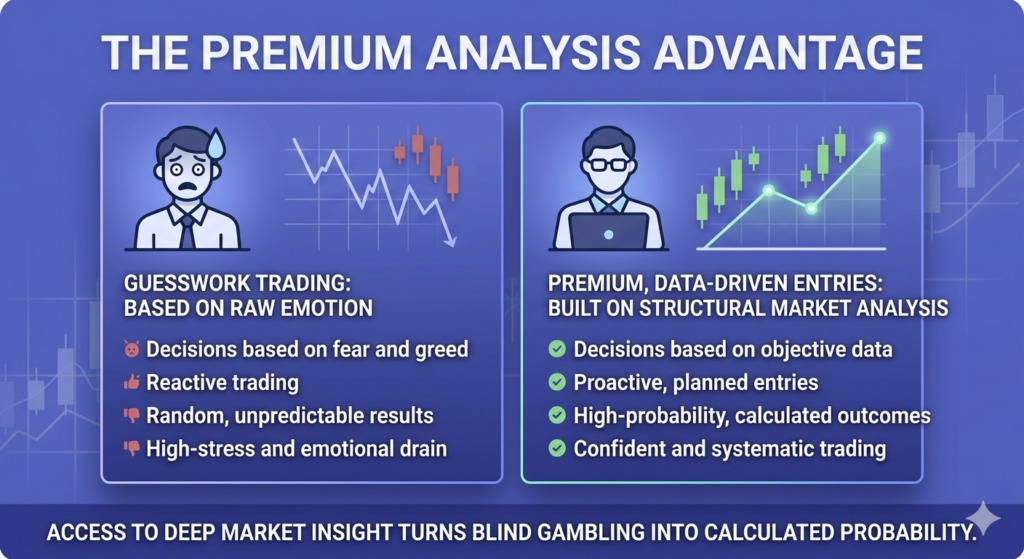
Moving Beyond Guesswork: The Ultimate Edge
If there is one thing my journey has taught me, it is that low-risk trading is not about avoiding losses entirely. It is about making sure that when you do lose, it is a tiny, controlled scratch rather than a fatal wound. The brokers we looked at today provide the physical toolkits to keep you safe, but the ultimate risk management tool is your own knowledge base.
To truly transform your trading from a stressful guessing game into an institutional process, you need deep, structural data analysis that goes far beyond basic retail charting. You need to understand market liquidity, institutional order flow, and underlying macroeconomic structures.
If you are ready to stop trading on pure hope and start building a real, professional edge grounded in institutional analysis, join our community of serious market students. Elevate your approach right now by subscribing to our exclusive framework on the Becoin Premium Membership Portal. Let’s build a sustainable, low-risk career together.
Is Binomo Safe or Risky in 2026? A Practical User Checklist (Not a Generic Review)
I still remember the first time I opened Binomo. It wasn’t excitement. It was hesitation. I had already read multiple reviews. Some said it was safe. Others called it risky. None of them felt like they came from someone who had actually traded, deposited, withdrawn, and dealt with real friction. So I decided to test […]

Binomo Verification (KYC) for First Withdrawal: Exact Documents That Usually Trigger Rejection
The first time I tried to withdraw from Binomo, I was not worried about the trade. I was worried about the paperwork. That probably sounds strange if you are new. Most traders obsess over entries, expiry times, payout percentages, and strategy screenshots. I did too. But the moment I clicked my first withdrawal request, the […]
Chasing Safety in a High-Stakes World: My Quest for the Best Low-Risk Trading Platforms
I still remember the sinking feeling in my stomach when I lost my first tiny trading account. It wasn’t a massive fortune, but it was mine. That night, I realized a brutal truth about this industry: most beginners fail not because they lack passion, but because they dive into high-risk environments without a life jacket. […]
Which Broker Has Faster Withdrawals? Real 2026 Comparison for Traders
When most beginners choose a broker, they focus on bonuses, signals, or flashy interfaces. But after trading for a while, you realize one thing matters more than almost anything else: How fast can you actually withdraw your money? A broker can look perfect until your first withdrawal request gets stuck in “processing” for three days. […]
Binomo vs IQ Option Withdrawal Speed: Full 2026 Comparison Guide
Withdrawal speed is one of the most important factors for traders, especially beginners who want quick access to profits. A platform may look good for trading, but if getting your money takes too long, frustration builds fast. In this detailed comparison of Binomo and IQ Option, we will break down real withdrawal timelines, processing behavior, […]

The Day I Lost My First Ten Dollars: My Hunt for the Best Mobile Trading App for Beginners
I still remember the exact shape of the cloud outside my window when my first live trade ended in the red. It was a crisp morning, and I was sitting on my couch with a lukewarm cup of coffee, staring at a flashing line on my smartphone screen. I had just deposited ten bucks, convinced […]