Position size vs risk-reward calculator: which should traders use first?
To get exclusive daily trade setups and market breakdowns, join Becoin Premium to gain a real edge with in-depth analysis.
When I first started trading crypto and forex, I made the same mistake almost every beginner makes. I would stare at a chart, spot a breakout, and get excited.
I’d ask myself: "If price hits that target, how much profit will I make?"
I was completely obsessed with the Risk-Reward (R:R) Calculator. I thought that as long as my reward was three times my risk, I was trading like a pro. But within three months, two bad trades wiped out weeks of gains.
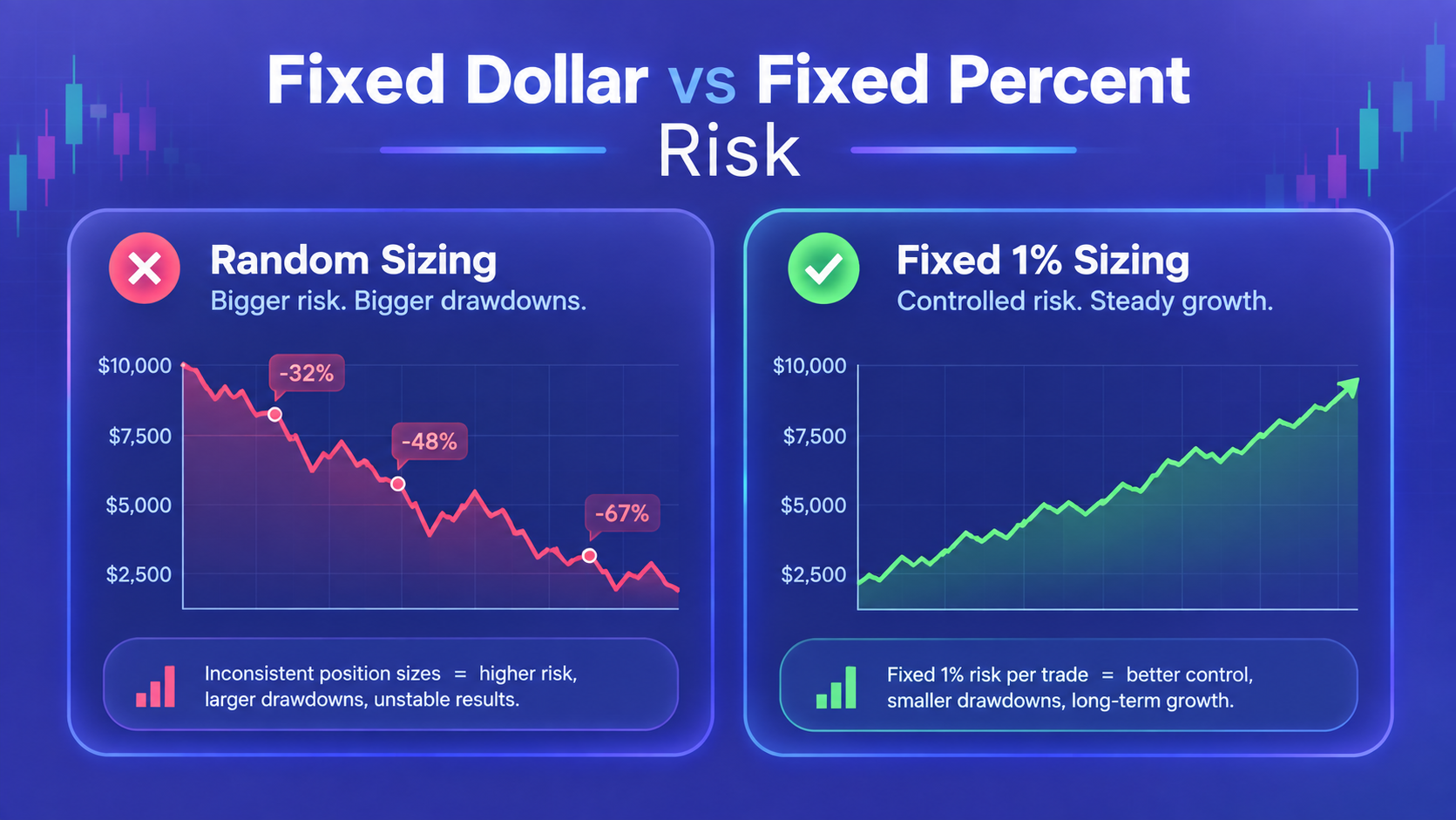
My problem wasn't my chart reading or my profit targets. It was my order size. I was risking $500 on one trade and $50 on the next without realizing it.
If you're asking whether you should use a position size calculator or a risk-reward calculator first, I’ve been in your shoes. Here is the exact order you need to follow so you can keep your money safe and grow your account.
The Verdict: Which Tool Should You Use First?
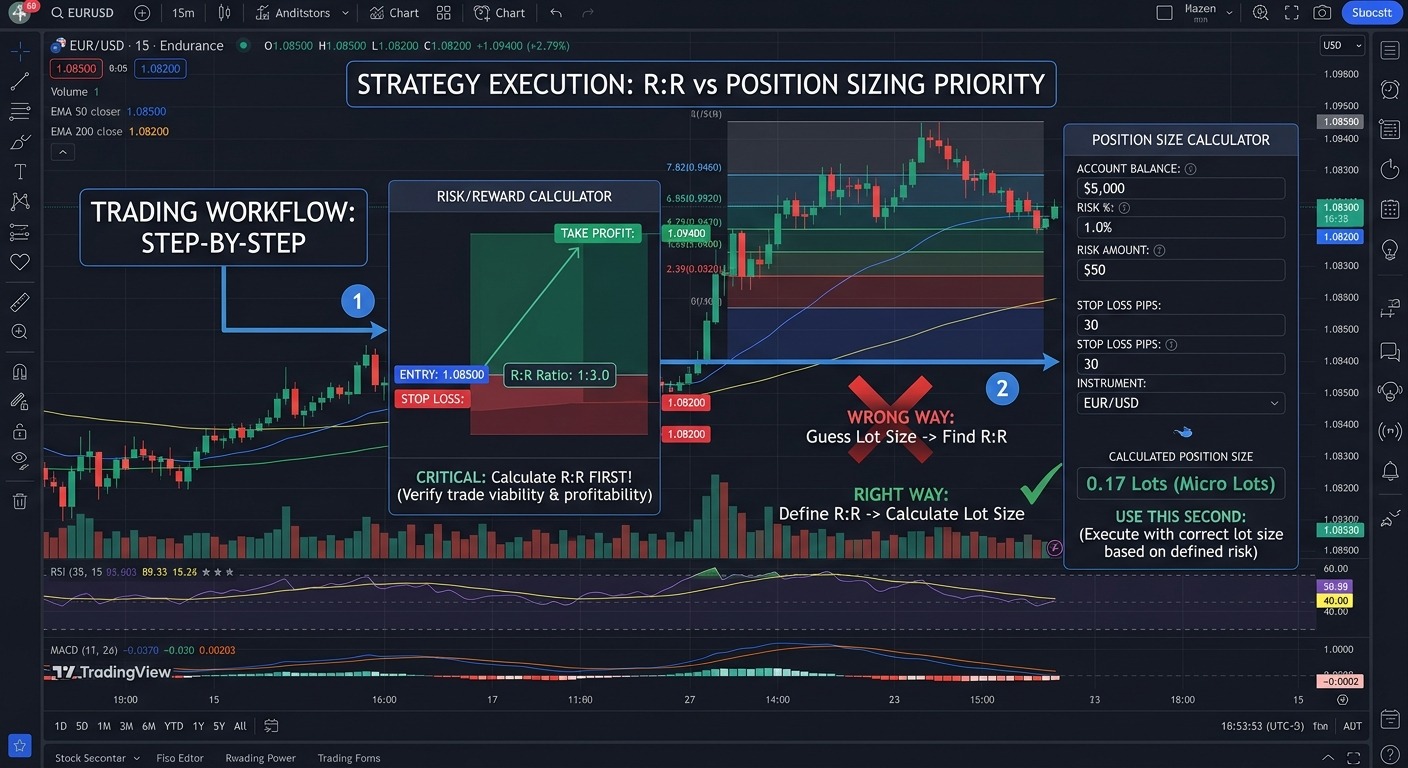
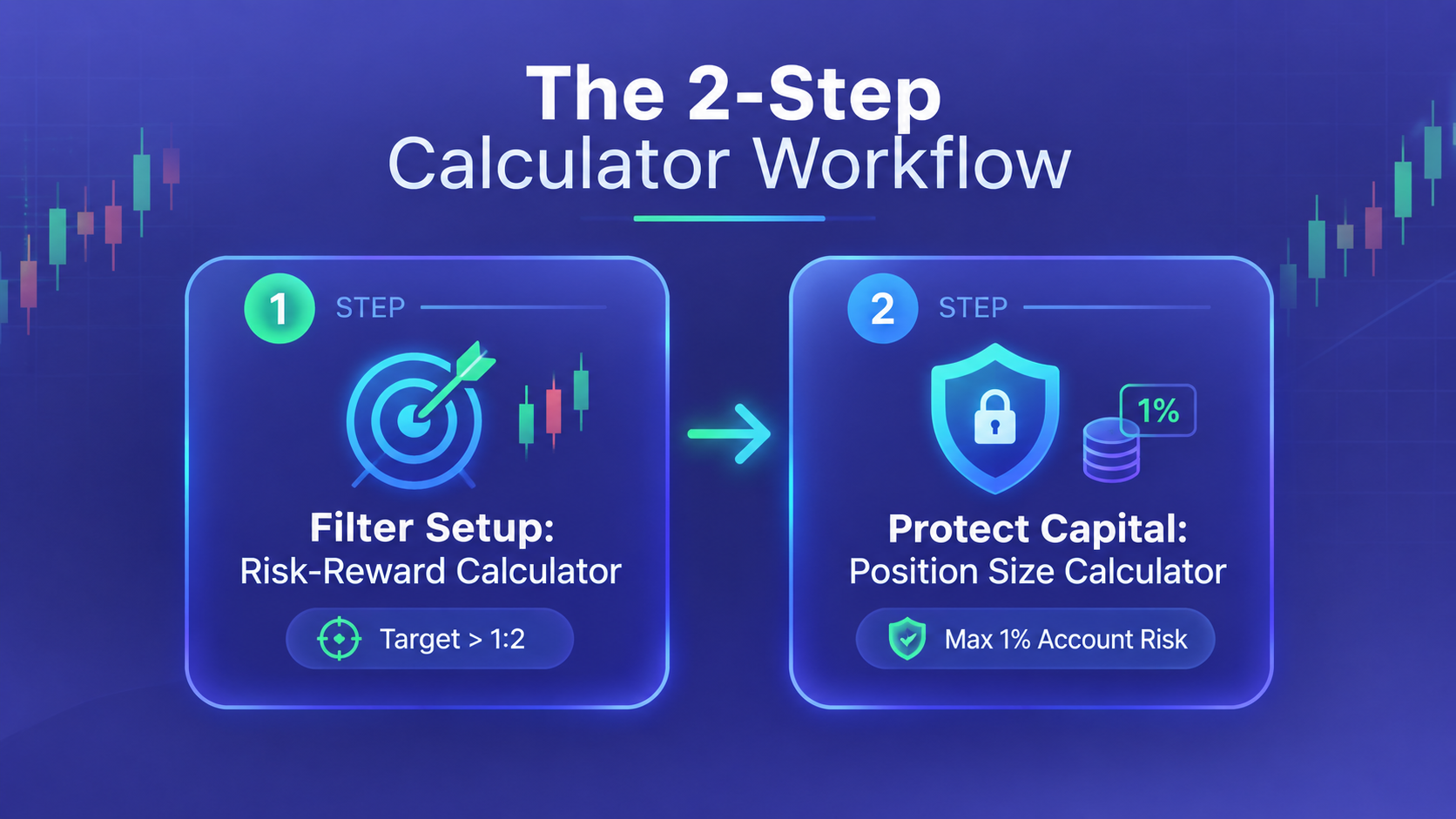
You must use the Risk-Reward Calculator first, followed immediately by the Position Size Calculator.
Think of the Risk-Reward Calculator as a bouncer at a club door. It tells you if the trade is even worth your time. If the deal isn't good, you walk away.
If the trade passes that check, the Position Size Calculator steps in. It tells you the exact amount of coins or contracts to buy so you don't lose too much if the market turns.
 Step 1: The Risk-Reward Filter (Is This Trade Worth It?)
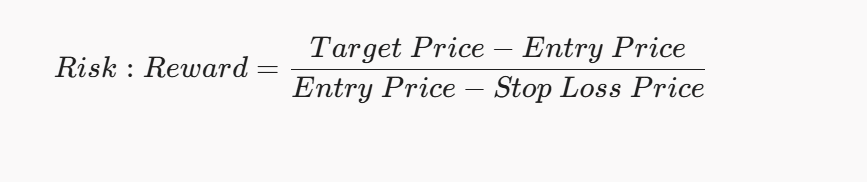
The risk-reward ratio compares how much money you might lose against how much money you might make.
Practical Example
Imagine Bitcoin is trading at $60,000.
- Entry: $60,000
- Stop-Loss: $59,000 (You lose $1,000 per BTC if it falls)
- Target: $63,000 (You make $3,000 per BTC if it rises)
Your risk is $1,000 and your reward is $3,000. That gives you a 1:3 Risk-to-Reward ratio.
If your ratio is lower than 1:1.5, close the chart. You don't need to calculate order size for a bad setup.
To see how institutional setups are filtered before execution, explore our latest updates on the Becoin Forecast Hub.
Step 2: The Position Size Calculator (Protecting Your Capital)
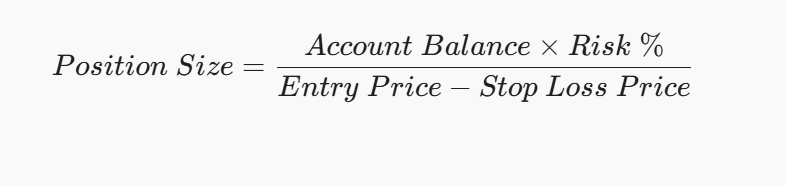
Once you find a good risk-reward setup, you must calculate your trade size. Never guess your lot size.
You can instantly find your ideal lot size and risk allocation before clicking buy by running your numbers through theBecoin Crypto Position Size Calculator.
The standard rule used by professional traders is to risk no more than 1% to 2% of your total account on a single trade.
Practical Example
Let's say you have a $5,000 account and you choose to risk 1% ($50 total risk).
You want to trade Gold (XAU/USD):
- Entry: $2,500
- Stop-Loss: $2,490 (Distance = $10)
How many units should you buy?
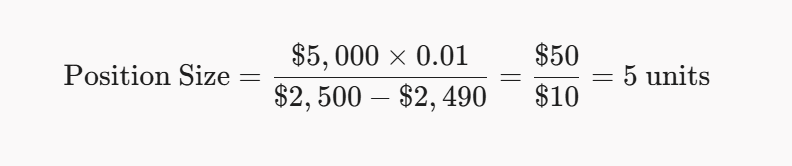
If price hits your stop-loss, you lose exactly $50,just 1% of your account.
When executing day trading or short-term trades on popular platforms like Binomo or IQ Option, fixed risk parameters are built directly into your contract selection.
Academic Evidence: Why Math Beats Emotion
This two-step process isn't just a trendy idea, it is backed by academic research.
In a famous study on Better Stock Trading: Money and Risk Management, market analyst Daryl Guppy demonstrates that controlling risk through structured position sizing and strict risk-reward evaluation is the single most critical factor separating long-term profitable traders from those who blow up their accounts.
Comparing Sizing Methods across Major Platforms
Different trading platforms handle risk calculations in different ways. Here is how popular platforms stack up:
| Platform | Built-in Sizing Calculator | Manual Risk Control | Best Suited For |
|---|---|---|---|
| Binomo | Fixed stake per trade | High | Fast-paced short-term trading |
| IQ Option | Percent-based stake controls | High | Options, Crypto, and Forex |
| Pocket Option | Auto-stake limits | Medium | Quick market execution |
| Quotex | Preset contract amounts | Medium | Direct binary contracts |
| ExpertOption | Social trade copying | Low | Beginner trend following |
| Olymp Trade | Multiplier-based risk tools | High | Standard Forex and fixed-time trades |
| CapitalCore | Custom margin levels | High | Advanced crypto asset trading |
You can test these tools yourself by setting up accounts on Pocket Option, checking out Quotex, or exploring features on ExpertOption and Olymp Trade. If you trade crypto contracts with custom margin limits, try CapitalCore.
To learn about covered call strategy and risk discipline, check out our easy-to-read guides on the Becoin Blog.
Common Sizing Mistakes to Avoid
- Changing Risk per Trade: Risking 1% on one trade, then risking 5% on the next because you feel "confident." Keep it consistent!
- Forgetting Spreads and Fees: Entering a trade without accounting for broker fees can turn a 1:2 setup into a 1:1.2 setup.
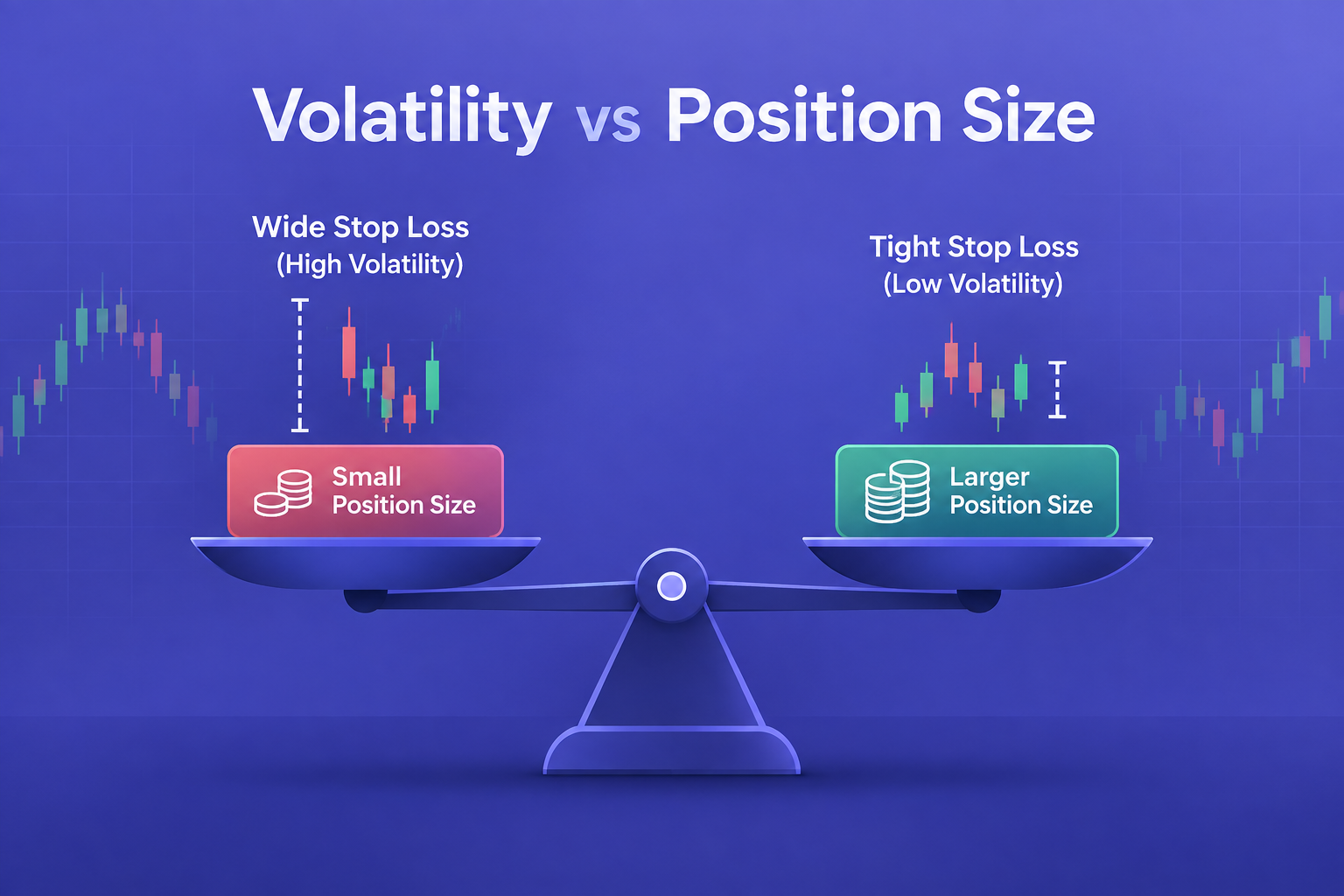
- Moving Your Stop-Loss: Widening your stop-loss when price moves against you ruins your position size calculations instantly.
Final Thoughts: Take Control of Your Risk
Once I started using the Risk-Reward Calculator as a filter and the Position Size Calculator as my safety net, everything changed. Losing trades no longer made me panic because I knew my account was safe.
Trading isn't about guessing where the market goes next. It's about controlling your risk every single time you click buy or sell.
Ready to upgrade your trading with expert market insights and real-time guidance? Join Becoin Premium today and get access to in-depth research, trade ideas, and risk management tools designed to give you a true edge!
Which Broker Has Faster Withdrawals? Real 2026 Comparison for Traders
When most beginners choose a broker, they focus on bonuses, signals, or flashy interfaces. But after trading for a while, you realize one thing matters more than almost anything else: How fast can you actually withdraw your money? A broker can look perfect until your first withdrawal request gets stuck in “processing” for three days. […]

Best Broker for Pakistani Traders in 2026
Finding the best broker in Pakistan is not as simple as choosing the platform with the biggest ads or the highest payout percentage. Pakistani traders face unique challenges including payment method limitations, withdrawal delays, unstable strategies, and brokers that look attractive at first but become difficult to use later. Many beginners deposit money into the […]
Deriv vs Binomo for Low-Risk Trading in 2026: Which Platform Is Better for Safer Growth?
Most beginners enter trading with one simple goal: avoid blowing up their account in the first week. That is exactly why low-risk trading matters more than fast profits. Two platforms that constantly appear in beginner discussions are Deriv and Binomo. Both allow small deposits, short-term trading, and beginner-friendly access. But when your focus is protecting […]

Which Is Easier for Beginners: Binomo or IQ Option?
For most beginners, the hardest part of trading is not strategy. It is surviving the first few months without blowing the account from emotional decisions, overtrading, and poor risk management. That is why choosing the right platform matters more than many new traders realize. Two names dominate beginner conversations in binary and short-term trading: Binomo […]
Binomo Minimum Deposit vs Minimum Withdrawal: The Real Trap Beginners Miss
I almost fell for the simplest trap on Binomo. Not a bad entry.Not a losing strategy.Not even a bad signal. It was the gap between the Binomo minimum deposit vs minimum withdrawal that quietly changes how beginners behave. When I first opened a real account, the low entry point looked harmless. That’s exactly why it […]
Capital Core for US Traders: Can Americans Use It Safely?
I’ll be honest: when I first started digging into Capital Core for US traders, I wasn’t looking for hype. I was looking for a boring answer. Can I sign up from the US?Can I actually trade?And the real question nobody asks loudly enough: if I win, can I withdraw without drama? That last one matters […]