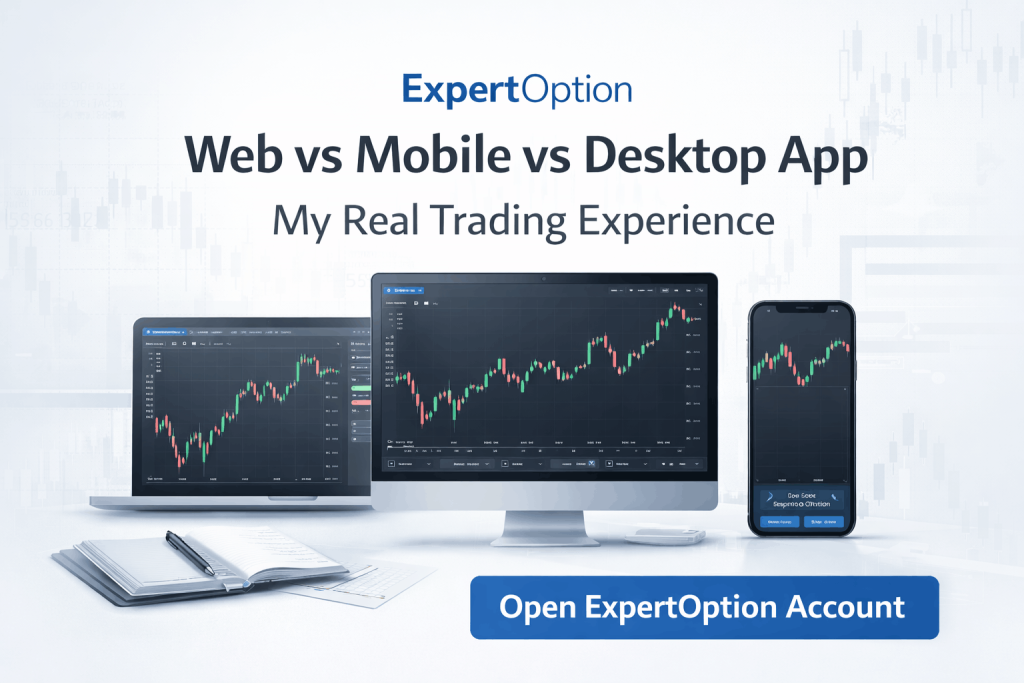
ExpertOption Web vs Mobile vs Desktop App: My Real Trading Experience Across All Three
When I first began comparing ExpertOption Web vs Mobile vs Desktop App, I wasn’t thinking about performance optimization or psychological discipline. I simply wanted to place trades.
Over time, I realized something important: the platform I used influenced my timing, my patience, and even my win rate. That discovery didn’t come from reading reviews. It came from documenting my own trades across all three versions.

If you’re just getting started, the best way to understand the difference is by testing them yourself. I recommend you open an ExpertOption account here and switch between web, desktop, and mobile during live market hours. The contrast becomes obvious very quickly.
This is not a feature list. This is my trading journal condensed into one in-depth comparison.
Why Platform Choice Changed My Trading Results
Most online comparisons of ExpertOption Web vs Mobile vs Desktop App talk about “features.” Very few talk about execution pressure.
I started tracking:
- Reaction time during volatility
- Emotional impulses
- Chart visibility clarity
- Trade frequency per session
After three months of consistent logging, the patterns were clear.
The platform doesn’t just display charts. It shapes behavior.
My Experience Trading on ExpertOption Web
The web version was where I started. No installation, no configuration. Just login and trade.
First Week on Web
My first live session was during the London open. I traded EUR/USD resistance rejection setups using basic candlestick confirmation. Execution was smooth. Orders placed instantly.
For casual sessions, the browser version worked well. It’s particularly useful when reviewing setups described in my breakdown of common price action triggers in this guide on candlestick patterns every trader should know.
However, once I increased session intensity, I noticed small issues:
- Slight lag when switching assets quickly
- Browser notifications becoming distractions
- Higher CPU usage during long sessions
None of these are dramatic problems. But trading is a game of small edges.
Where Web Version Works Best
From my own logs, web works best for:
- Short, focused sessions
- Demo testing new setups
- Trading from multiple devices
If you are still practicing execution timing, I recommend first mastering entries using the ExpertOption demo account full guide before moving into live trading across platforms.
The web version is reliable, but I started looking for something more stable during heavy volatility.
Switching to the ExpertOption Desktop App
Installing the desktop application was the turning point in my ExpertOption Web vs Mobile vs Desktop App comparison.
Immediately, I noticed smoother chart rendering and faster transitions between timeframes.
A Volatile Session That Made the Difference
I remember trading GBP/USD during strong news-driven momentum. On desktop, execution felt sharper. Switching between 1-minute and 5-minute charts was seamless.
I was testing a structured scalping approach similar to what I explain in my breakdown of the ExpertOption 1 minute strategy.
That session:
- 14 trades
- 9 wins
- Clear, disciplined entries
More importantly, I felt calmer. There were no browser tabs competing for attention. No background distractions.
Performance Comparison Table
Here’s a simplified summary from my trading logs:
| Feature | Web | Desktop | Mobile |
| Execution Speed | Good | Very Fast | Moderate |
| Stability in Volatility | Good | Excellent | Moderate |
| Chart Visibility | Strong | Strongest | Limited |
| Emotional Control | Medium | High | Low |
| Best For | Casual trading | Primary trading | Monitoring |
The desktop application created a professional environment. That environment reduced impulsive trades.

Psychological Shift on Desktop
This is something most reviews ignore.
When I trade on desktop:
• I schedule sessions
• I pre-plan entries
• I stop after hitting daily risk limits
The platform feels intentional.
That discipline aligns with what I explain in my article on ExpertOption safety: is it legit or a scam, where I discuss how structured trading reduces risk exposure far more than platform myths ever will.
If you plan to trade seriously, I strongly suggest you start trading on ExpertOption here and test the desktop version during a high-volume session. The difference becomes clear when markets move fast.
My Experience with the ExpertOption Mobile App
I underestimated mobile trading.
At first, I only used it to check open positions. Then I started placing trades directly from my phone.
That’s when things changed.
The Convenience Factor
Mobile trading offers flexibility. I could monitor setups anywhere. I could close positions instantly if market conditions shifted.
But convenience came with a cost.
Over two weeks, I logged:
• Higher trade frequency
• Faster, more emotional entries
• Lower overall win rate
The smaller screen reduced my ability to properly analyze structure. I was reacting instead of planning.
My Recorded Results Over 30 Days
| Platform | Trades Taken | Win Rate |
| Desktop | 52 | 63% |
| Web | 41 | 56% |
| Mobile | 67 | 48% |
The mobile version wasn’t technically flawed. The issue was behavioral.
Mobile felt casual. That encouraged overtrading.

Where Mobile Actually Works Well
I now use mobile primarily for:
- Monitoring active trades
- Managing positions during travel
- Observing copy traders
If you’re interested in social trading features, you may want to read how replication works in this detailed guide on ExpertOption copy trading.
For active execution, however, desktop still outperforms mobile in my experience.
The Content Gap Most Reviews Miss
After researching ExpertOption Web vs Mobile vs Desktop App extensively, I noticed top-ranking articles fail to address:
- Behavioral differences across platforms
- Long-session performance stability
- Win rate tracking by device
- Emotional trading patterns on mobile
- Real-world volatility execution
Most comparisons focus on features like “available indicators.” They rarely discuss how those tools perform under pressure.
Trading isn’t theoretical. It’s psychological and technical at the same time.

Bonus Structures and Platform Influence
One interesting observation: when I accepted promotional bonuses early in my journey, I traded more aggressively across all platforms.
If you are evaluating incentives, review the fine print carefully. I documented my findings in ExpertOption bonuses explained: hidden terms revealed.
Platform choice combined with bonus pressure can significantly influence risk behavior.
My Hybrid Strategy Today
After months of comparing ExpertOption Web vs Mobile vs Desktop App, here is how I operate:
Desktop:
Primary execution platform for all serious sessions.
Web:
Backup access and quick chart checks when away from my main system.
Mobile:
Monitoring tool and emergency management only.
This structured approach reduced unnecessary trades and improved consistency.
If you’re serious about building discipline rather than chasing random entries, I suggest you open your ExpertOption account here and test each version during different market sessions. Track your trades by device. The data will surprise you.
A Note on Withdrawals and Platform Stability
One common concern new traders have is payout reliability. My withdrawal experience has been consistent when following verification requirements properly.
If you want documented examples, you can review my detailed breakdown of actual payout timelines in this article on ExpertOption withdrawal proof.
Platform type does not affect withdrawals, but disciplined trading affects whether you have profits to withdraw in the first place.
Final Thoughts From My Trading Journal
When I started comparing ExpertOption Web vs Mobile vs Desktop App, I assumed the differences were minor.
They aren’t.
The desktop app improved my focus.
The web version gave flexibility.
The mobile app exposed my impulsive tendencies.
Your platform is not just a tool. It’s part of your trading environment.
If you approach this comparison seriously, document your trades for at least 30 days across all three. Don’t rely on reviews. Measure your own performance.
That process transformed how I trade, and it will likely change how you approach the markets as well.
Binomo Withdrawal Pending: Real Reasons, Timelines, and What to Do at Each Hour Mark
The first time I saw Binomo withdrawal pending on my screen, I stopped caring about my trades for the day. Not because the amount was huge. It wasn’t. What bothered me was the uncertainty. When you trade on a platform like Binomo, the real test isn’t the deposit button. It’s the withdrawal button. Depositing is […]

Binomo First $10–$50 Test Deposit Plan: The Safest Way to Validate the Platform Before Scaling
I didn’t start with confidence. I started with doubt. Every time I searched for answers about Binomo, I found opinions, not proof. Some people claimed fast withdrawals. Others complained about delays. But almost nobody showed a complete journey from deposit to withdrawal using real money. So I stopped reading and started testing. Instead of risking […]

Which Broker Has the Cleanest Interface? Real Comparison for Beginners in 2026
Looking for the cleanest trading interface in 2026? Compare Binomo, IQ Option, Quotex, Deriv, and more based on speed, layout, usability, mobile experience, and beginner friendliness. When most beginners choose a broker, they focus on bonuses, payouts, or deposit methods. But after testing multiple platforms for months, I realized something surprising: A messy interface can […]

Fastest Withdrawal Brokers (Real Test Results)
The first time I made a profitable trade, I wasn’t thinking about strategy anymore. I was thinking about one thing. Can I actually withdraw this? I requested my payout and waited. And waited. That “processing” label stayed there longer than my trade itself. That moment changed how I evaluate brokers. Since then, I’ve made it […]
Binomo Deposit/Withdrawal: Why Using Different Payment Methods Causes Delays
The first time I hit a decent withdrawal on Binomo, I thought the hard part was over. I had done the trades. I had managed the risk better than usual. I had finally resisted the urge to overtrade after a win streak. So when I clicked withdraw, I expected the money to move as smoothly […]
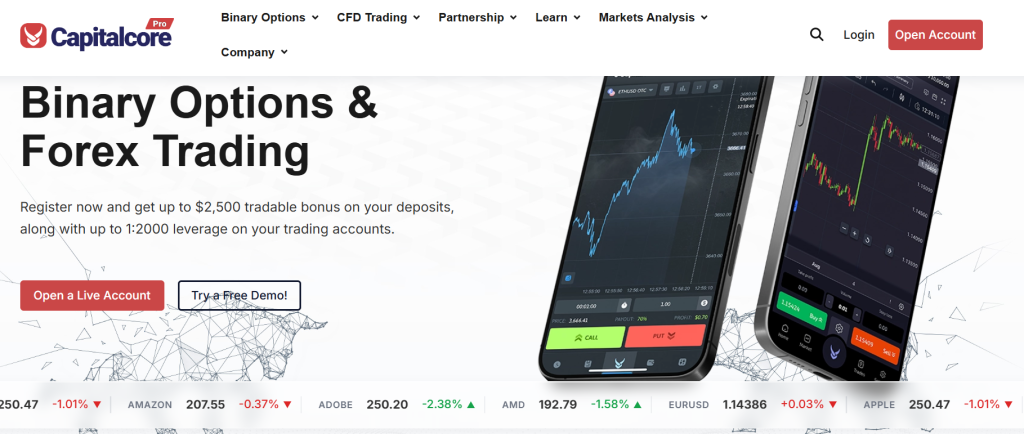
Capital Core Verification Process Explained: KYC, Restrictions, and Withdrawal Delays
I learned something the hard way with offshore-style brokers: the smoothest part is usually opening the account, funding it, and placing the first few trades. The real test starts when you try to move money back out. That’s exactly why I wanted to document the Capital Core verification process from a trader’s perspective, not from […]