
Tracking Performance by Asset Type
I remember staring at my master dashboard late one Tuesday night, utterly baffled. My overall account balance showed a modest net gain of four percent for the quarter, but it felt hollow. Had my high risk tech stocks carried the weight, or had my steady dividend allocations saved me from a bloodbath in crypto? I had no real clue.
Like many retail participants, I was treating my portfolio like a single monolithic blob. Winning days felt great and losing days stung, but I was flying blind when it came to granular data. That evening changed everything. I realized that if I wanted to evolve from a hopeful speculator into a calculated operator, I needed to stop tracking overall portfolio movement and start dissecting performance strictly by asset type.
Evaluating asset classes independently transforms how you perceive risk, manage drawdowns, and allocate capital. Whether you are balancing volatile digital currencies, fast moving forex pairs, or traditional equity derivatives, segmenting your metrics is the ultimate unlock.
Why Asset-Class Segmentation Changes the Game
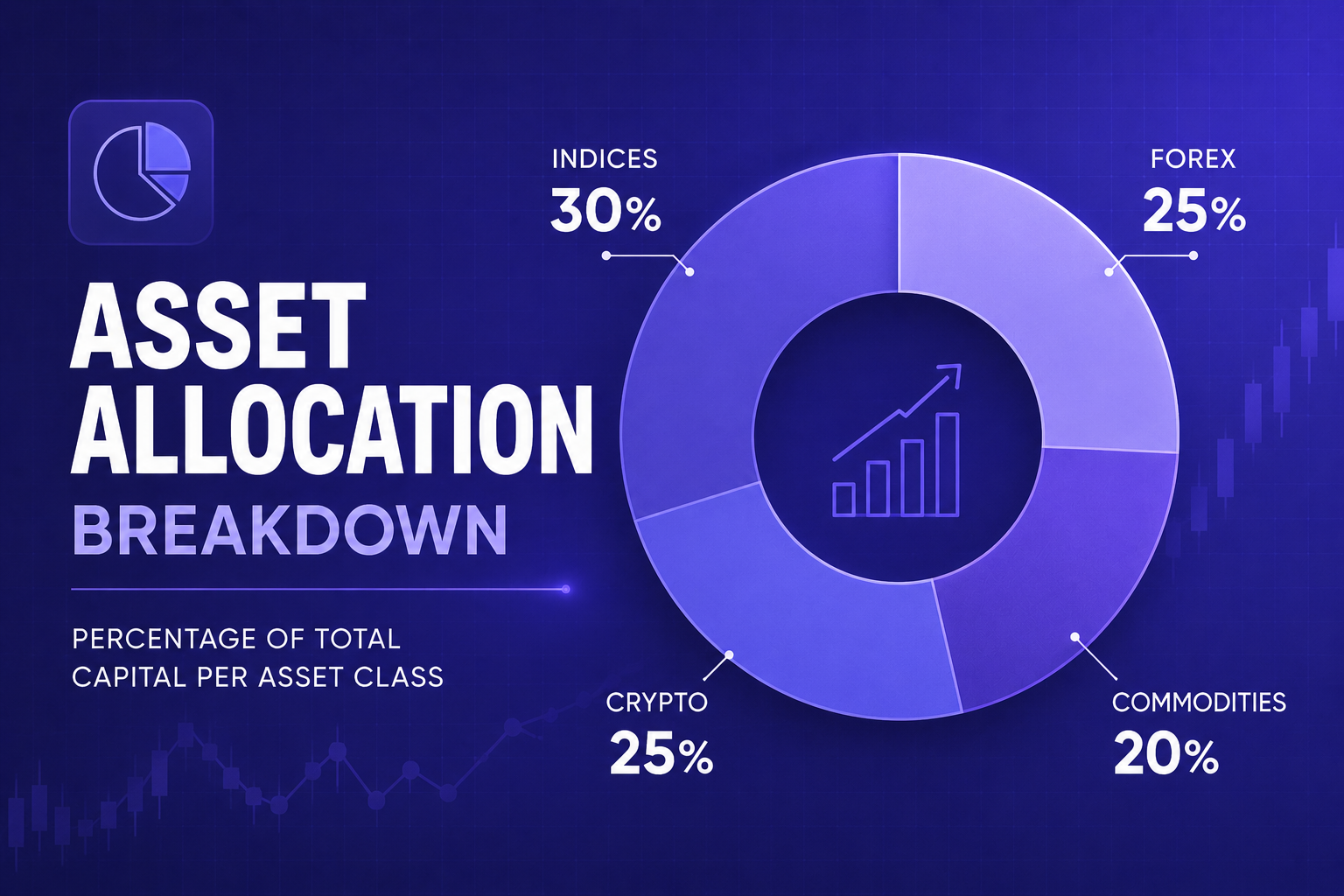
When you throw all your trades into one giant basket, psychological biases take over. A massive win in a speculative altcoin can easily blind you to a slow, bleeding leak in your currency positions. When I first broke down my statements by category, I discovered that my forex trades were consistently outperforming my equity choices, yet I was pouring eighty percent of my mental energy into stock research.
To build a robust review framework, you have to categorize your portfolio accurately. Common buckets include:
- Cryptocurrency and Digital Assets: High volatility, 24/7 trading windows, and massive asymmetric return profiles.
- Forex and Currencies: Leverage heavy, heavily macro driven, and dictated by tight technical sessions.
- Equities and Indices: Trend heavy, influenced by corporate earnings, and anchored to broader economic health.
- Commodities: Supply and demand sensitive, acting as classic hedges against inflation spikes.
Failing to separate these means you never truly see where your edge lies. For a deeper look at macroeconomic shifts affecting these sectors, exploring insights on the Becoin Blog helps bridge the gap between asset behavior and global liquidity.
Choosing the Right Execution Environment
Different asset types demand specialized tools. You cannot trade spot crypto efficiently on a platform optimized purely for day trading or fast forex execution. Over the years, I tested a variety of environments to see which platforms cater best to multi asset performance tracking.
If you are looking to diversify your approach across digital assets and quick turnaround contracts, platforms like Binomo offer structured setups for high frequency tracking. Similarly, traders focusing on versatile derivative instruments often utilize IQ Option to test short term hypotheses across multiple markets. Other notable ecosystems that provide flexible trade logging include Deriv,Pocket Option,ExpertOption,Olymp Trade, and CapitalCore.
However, opening accounts across multiple terminals makes tracking even harder unless you centralize your analytical framework. Keeping tabs on asset correlations requires looking at broader forecasting tools like the Forecast Hub to see where cross asset momentum is shifting next.
Putting Asset Tracking Into Daily Practice
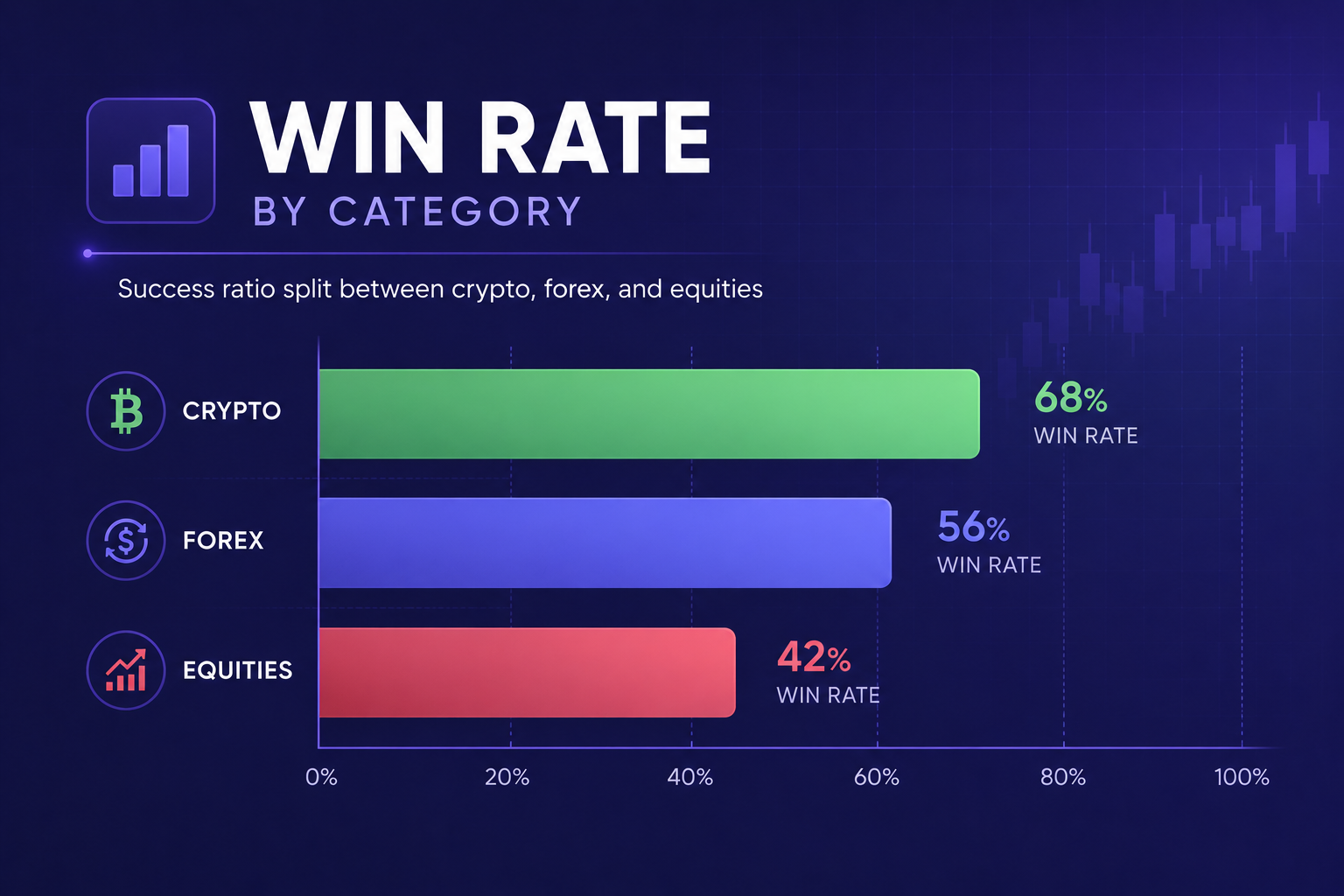
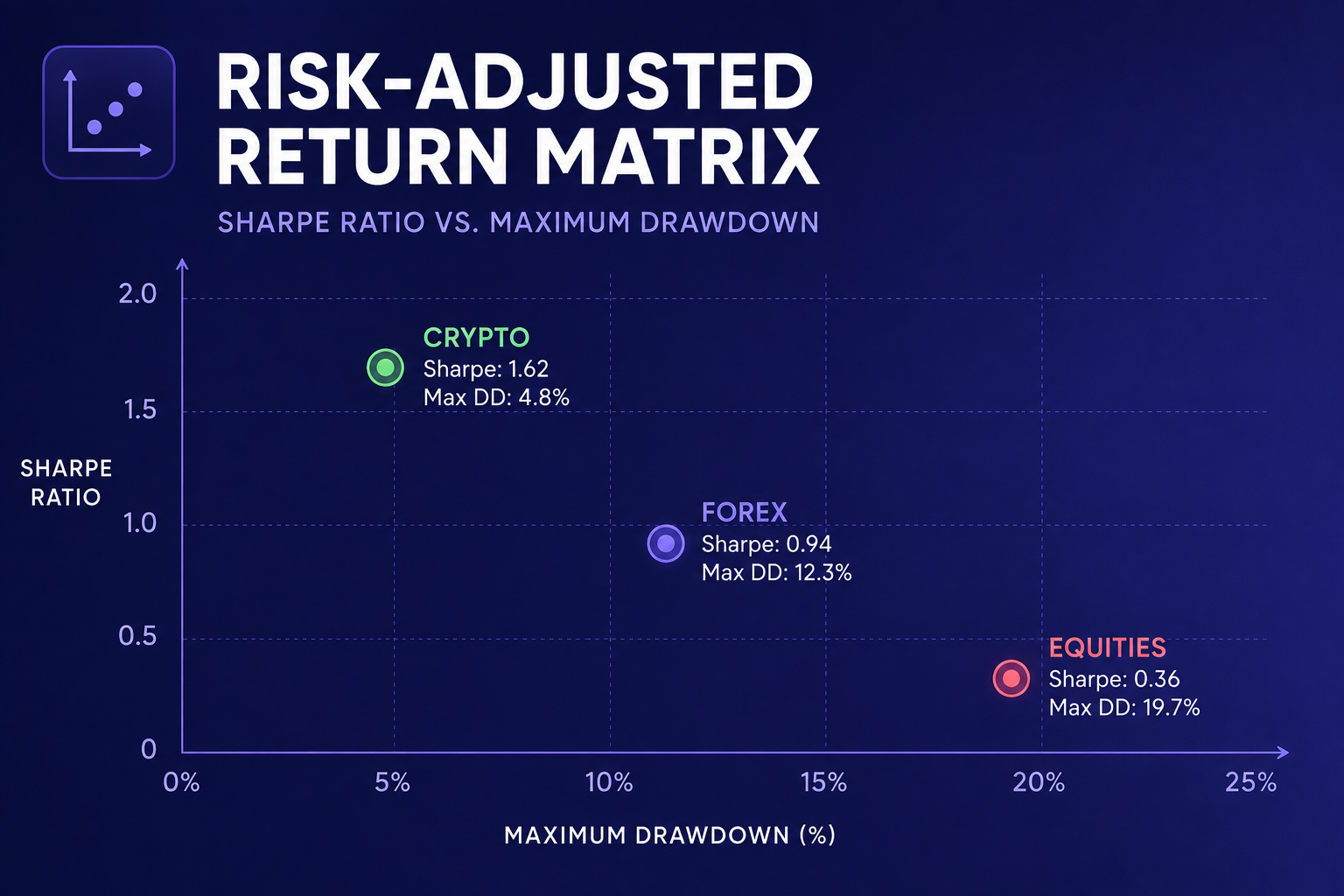
Transitioning to an asset specific tracking routine requires discipline. Every weekend, I sit down to calculate my metrics independently for each bucket. I look at my win rate, average risk to reward ratio, and how much capital leakage occurred due to overleveraging in specific sectors.
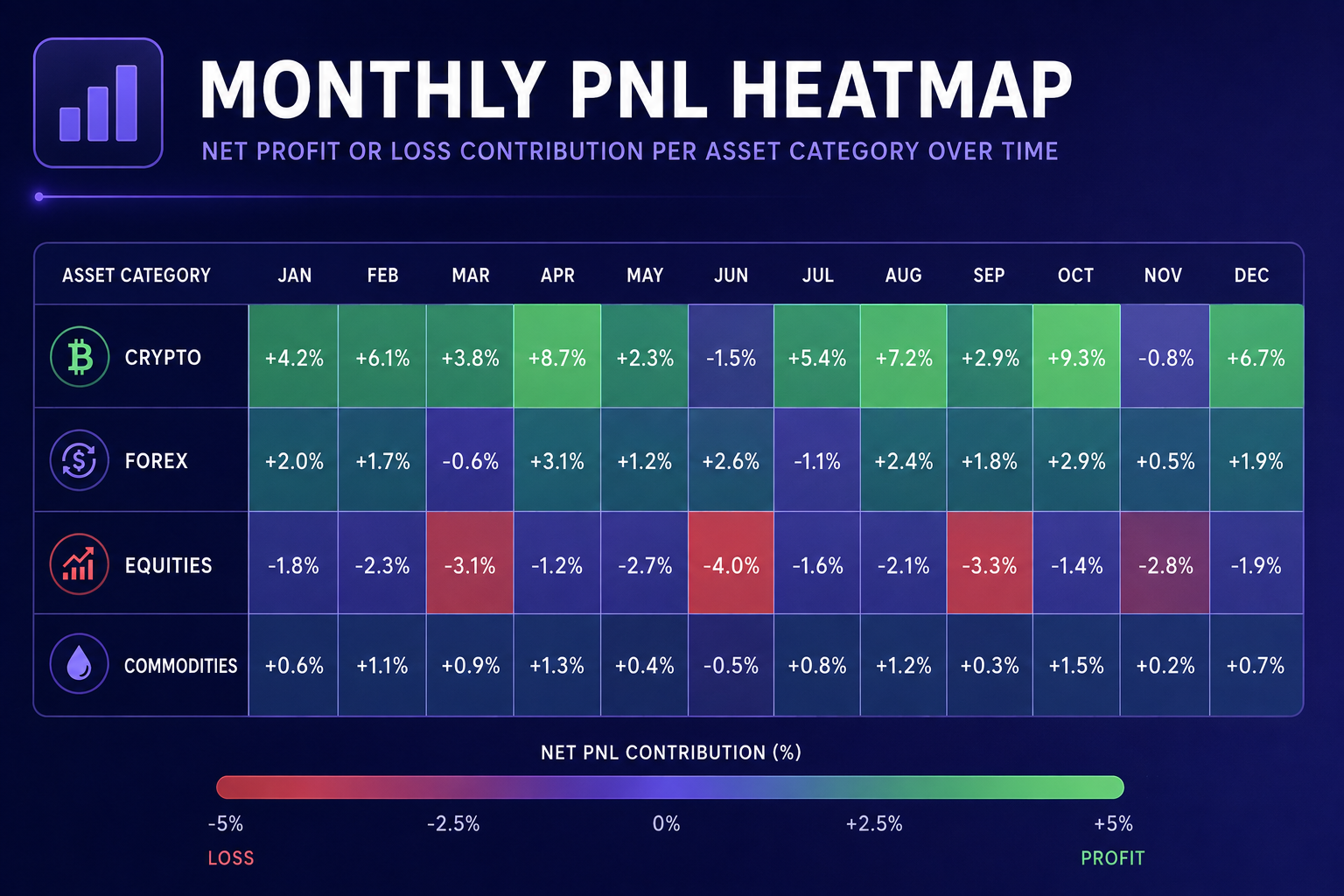
If my crypto portfolio is yielding a high return despite high volatility, but my commodity trades are flatlining due to high swap fees, I know exactly where to trim fat. This granular approach eliminates emotional decision making. You stop asking "Why is my account down today?" and start asking "Which specific asset class deviated from its expected statistical model?"
Final Verdict and Getting Your Edge
Tracking performance by asset type transformed my trading from a guessing game into a disciplined business. When you isolate variables, your strengths become obvious and your mistakes become correctable.
If you want to take your market analysis to the ultimate professional level and stop trading in the dark, you need advanced analytical infrastructure. Join Becoin Premium today to gain an undeniable edge in trading with indepth analysis, expert forecasting frameworks, and professional grade portfolio tools designed to elevate your performance across every single asset class.

The Best Broker Without Complicated Features (And Why Simplicity Wins)
Most traders don’t fail because they lack knowledge. They fail because their platform buries them in noise before they even place their first trade. Here’s what actually works. It Started With a Confession From a $10 Trader A reader messaged us a few months back. He had been trying to trade for three weeks, had […]

Best Trading Platform for Slow Internet in 2026
A slow internet connection can ruin trades faster than a bad strategy. Charts freeze, apps reload, and delayed execution creates unnecessary losses. This is especially common for traders using mobile data, shared WiFi, or older smartphones. Most broker reviews ignore this issue completely. After testing multiple platforms on weaker connections and low-end Android devices, some […]

Best Broker for Pakistani Traders in 2026
Finding the best broker in Pakistan is not as simple as choosing the platform with the biggest ads or the highest payout percentage. Pakistani traders face unique challenges including payment method limitations, withdrawal delays, unstable strategies, and brokers that look attractive at first but become difficult to use later. Many beginners deposit money into the […]

Deriv vs Binomo for Low-Risk Trading in 2026: Which Platform Is Better for Safer Growth?
Most beginners enter trading with one simple goal: avoid blowing up their account in the first week. That is exactly why low-risk trading matters more than fast profits. Two platforms that constantly appear in beginner discussions are Deriv and Binomo. Both allow small deposits, short-term trading, and beginner-friendly access. But when your focus is protecting […]

Deriv vs IQ Option for Beginners in 2026: Which Platform Is Better to Start With?
Choosing your first trading platform can decide whether you stay consistent or quit after blowing your first account. Most beginners do not fail because trading is impossible. They fail because they start on platforms that confuse them, encourage emotional trading, or make risk management difficult. Two names that often appear in beginner discussions are Deriv […]