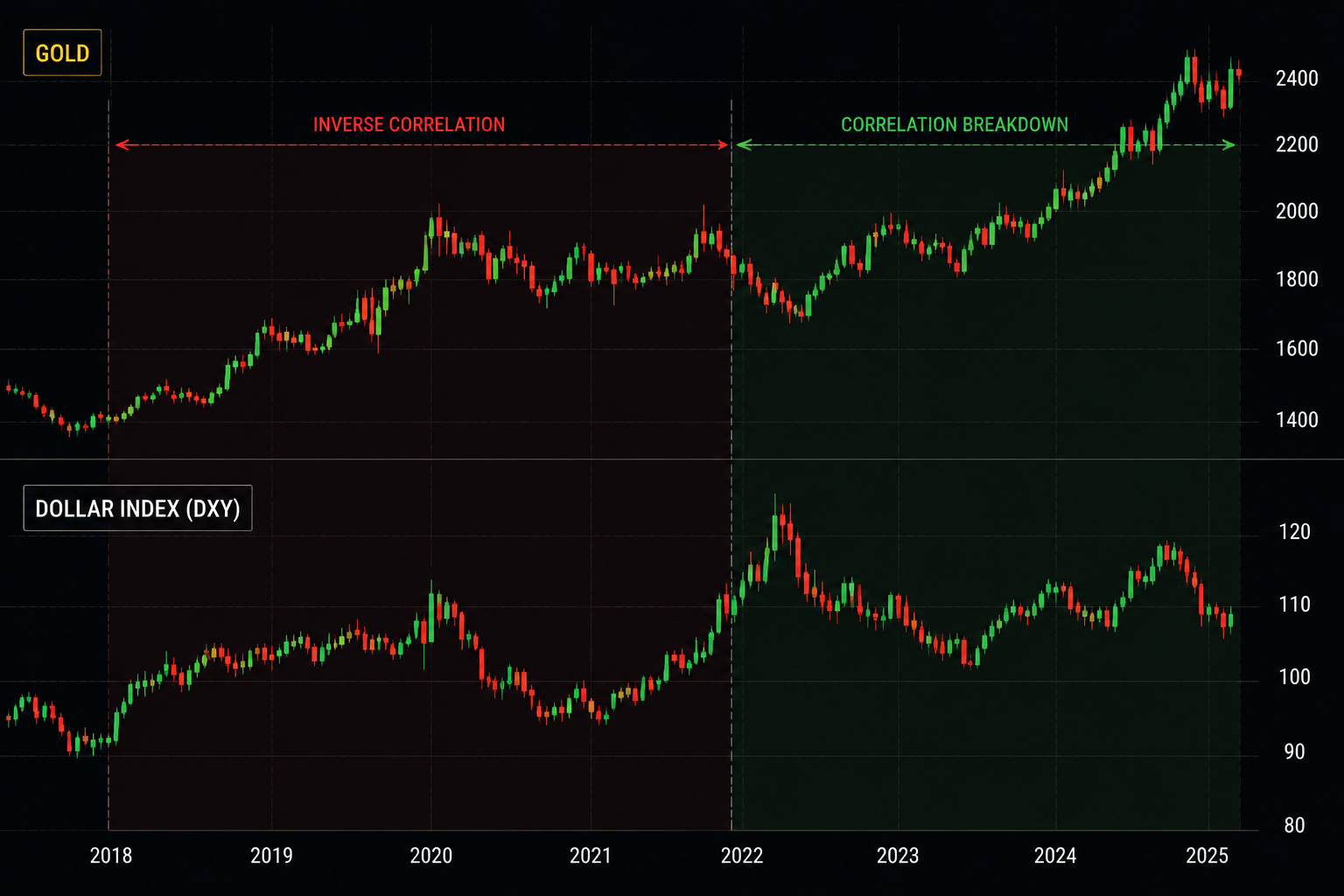
Gold and the Dollar Are Rising Together: Why the Old Relationship Loosened
One of the most repeated relationships in macro commentary is that gold and the dollar move in opposite directions. The logic is straightforward: gold is priced in dollars, so a stronger dollar makes the same ounce more expensive in every other currency and demand should soften. For long stretches the relationship held well enough to be treated as a rule. In recent years it has held far less reliably, and the reasons are more interesting than the correlation itself.
Why gold and the dollar were expected to diverge
The inverse relationship rested on two pillars. The first was the pricing mechanism just described. The second was the substitution argument, where gold and dollar-denominated assets compete as reserve holdings, so strength in one implies weakness in the other. Both pillars assume that the marginal buyer of gold is price-sensitive and has a choice between the two. That assumption is doing more work than most people realise, and it is precisely the assumption that has weakened.
What changed in the buyer base
The composition of demand has shifted toward buyers who are not primarily price-sensitive. Official-sector purchasing by central banks seeking to diversify reserves is driven by policy rather than by valuation, and policy buyers do not stop because the price rose. Investors in economies with weakening local currencies buy gold as protection against their own currency, not against the dollar, so a strong dollar can increase rather than decrease their motivation. Jewellery and physical demand in large consuming markets responds to local income and local currency terms. Once a meaningful share of demand becomes insensitive to the dollar price, the mechanical inverse relationship weakens.
The role of real rates and risk premia
The other traditional anchor for gold was the real interest rate, on the reasoning that a non-yielding asset suffers when inflation-adjusted returns on bonds rise. That relationship has also become looser. When gold rises alongside both a firm dollar and positive real yields, the residual explanation is usually a risk or sovereign premium: buyers accepting a negative carry because they are hedging something the bond market does not price. Watching gold against real yields and against the dollar simultaneously is more informative than watching either pair alone, and the Market Forecast Hub is a convenient place to compare them.
How to measure whether a correlation has really changed
Correlation claims need discipline. A rolling correlation over sixty and two hundred and fifty sessions shows whether a breakdown is transient or persistent. Comparing gold priced in a basket of currencies rather than only in dollars separates genuine demand strength from a currency effect. Examining exchange-traded fund holdings against reported official-sector purchases shows which buyer group is driving the move. And checking whether the breakdown appears in other precious metals indicates whether the cause is gold-specific or broader.
What would restore the old relationship
The inverse correlation would likely reassert itself if official-sector buying slowed materially, if real yields rose far enough to make the opportunity cost of holding a non-yielding asset dominant again, or if the sovereign risk premium currently supporting demand faded. Each of those is observable. Reserve composition data, real yield curves and fund flows would show the shift before the correlation statistics did.
Becoin.net Tariff Plans ---> Here
Why the relationship matters for analysis
Correlation regimes matter because they determine what a price move means. If gold and the dollar rise together, an analyst who assumes the old rule will misread both markets. The value in tracking the change is interpretive, not directional, and nothing here should be read as a recommendation to buy or sell gold, currencies or any related instrument.
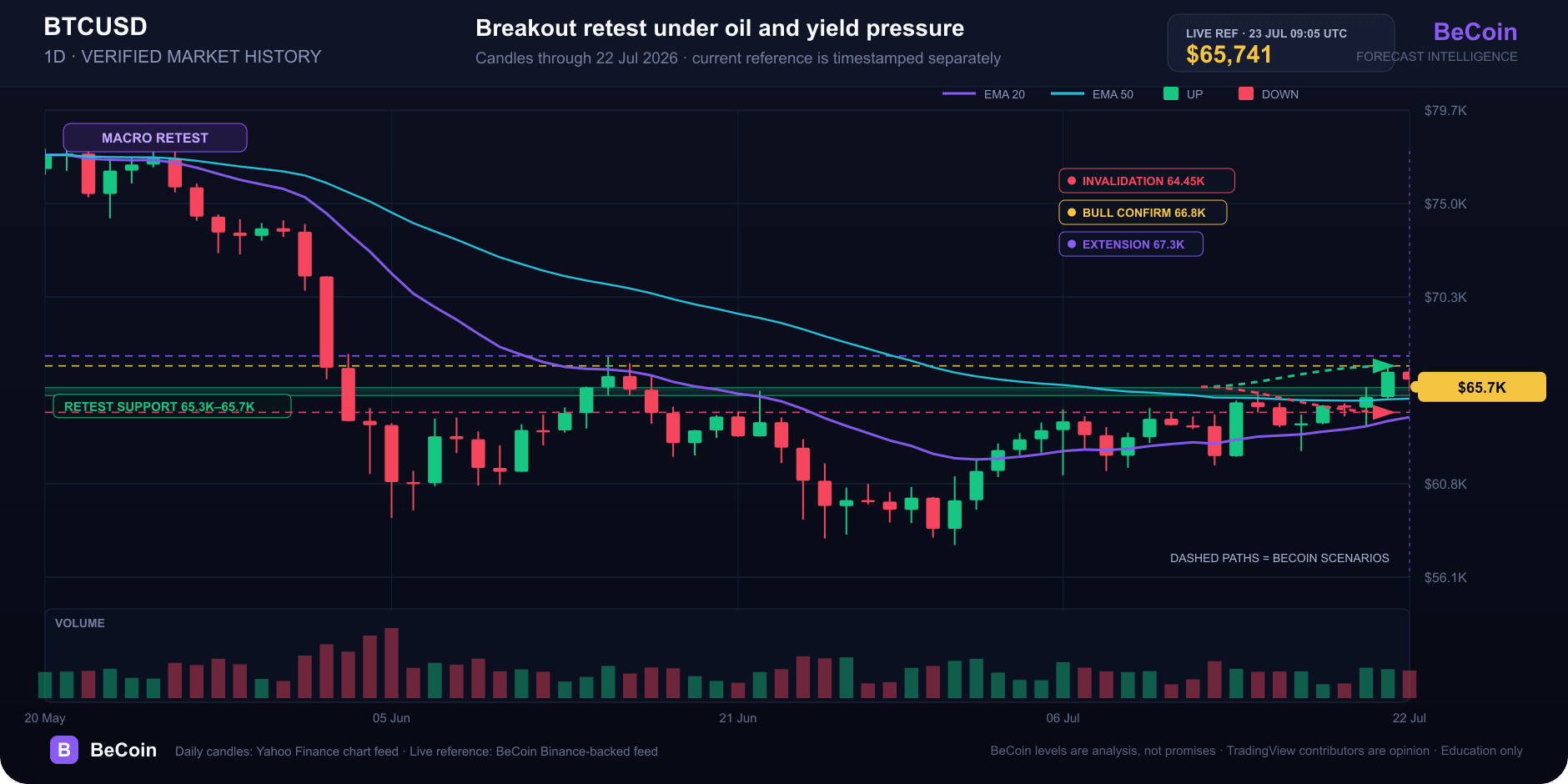
Bitcoin slips to $65,741 as oil and yields test the breakout
Bitcoin is near $65,741 as rising oil and Treasury yields test the $65.7K breakout floor. Here are the levels that confirm or invalidate the move.

How I Learned to Sit on My Hands During Choppy Markets
I remember the morning vividly. It was a Tuesday. The coffee on my desk was still piping hot, the charts on my screen were blinking, and I was feeling incredibly confident. I had just finished reading about how market open hours create the best trading opportunities, and I was ready to hunt for a clean […]

Why Traders Move from Binomo to Deriv in 2026: The Real Reasons Behind the Switch
If you spend enough time around trading communities, you’ll notice a pattern. Many traders start with Binomo. Then, after a few months, a surprising number begin looking at Deriv. Some switch completely. Others keep both accounts but gradually move most of their trading activity to Deriv. I noticed this trend while talking to beginner traders […]

Binomo vs IQ Option for Small Accounts: Which Platform Is Better for Beginners in 2026?
Most people entering online trading do not start with thousands of dollars. They start small. Usually with $10, $20, or maybe $50. That small balance changes everything about how a trader behaves. Every loss feels bigger, every win feels emotional, and every mistake has a stronger impact on the account. This is exactly why beginner […]

Binomo in Pakistan / India / Bangladesh: What Payment Methods Actually Work in 2026?
When I first started testing Binomo seriously across South Asia, I made one rule for myself: I would never judge a platform by the deposit button. I would judge it by the withdrawal result. That single rule saved me a lot of frustration. A lot of articles still ranking for this topic say the same […]
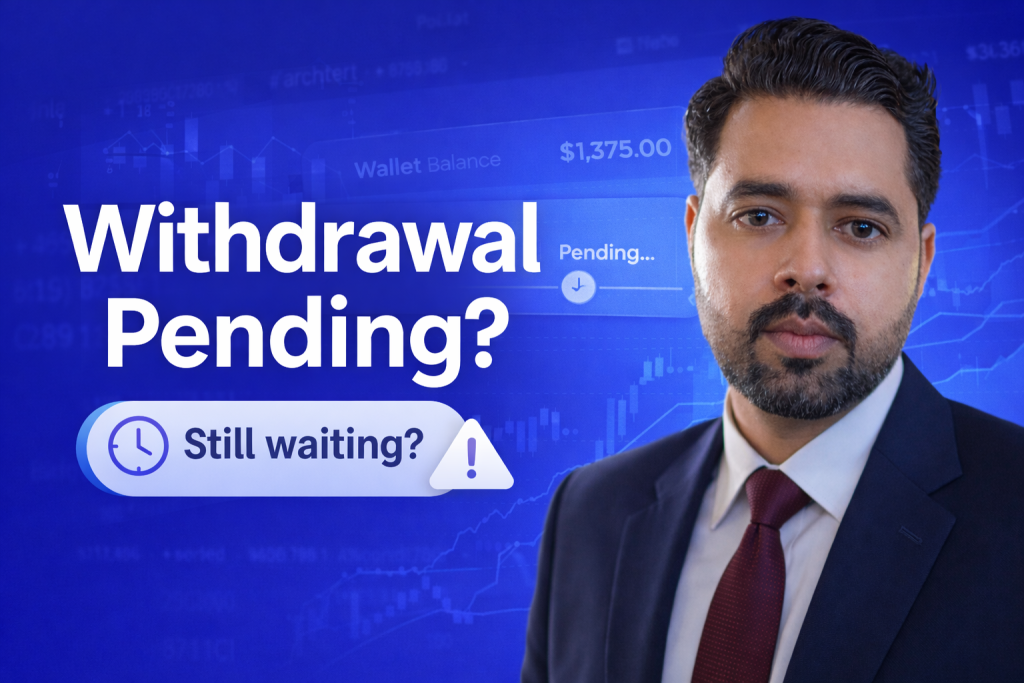
Binomo Withdrawal Pending: Real Reasons, Timelines, and What to Do at Each Hour Mark
The first time I saw Binomo withdrawal pending on my screen, I stopped caring about my trades for the day. Not because the amount was huge. It wasn’t. What bothered me was the uncertainty. When you trade on a platform like Binomo, the real test isn’t the deposit button. It’s the withdrawal button. Depositing is […]