GBP/CHF Forecast: Sellers Fade 1.0950 With 1.0705 in Focus
Where the pair actually stands
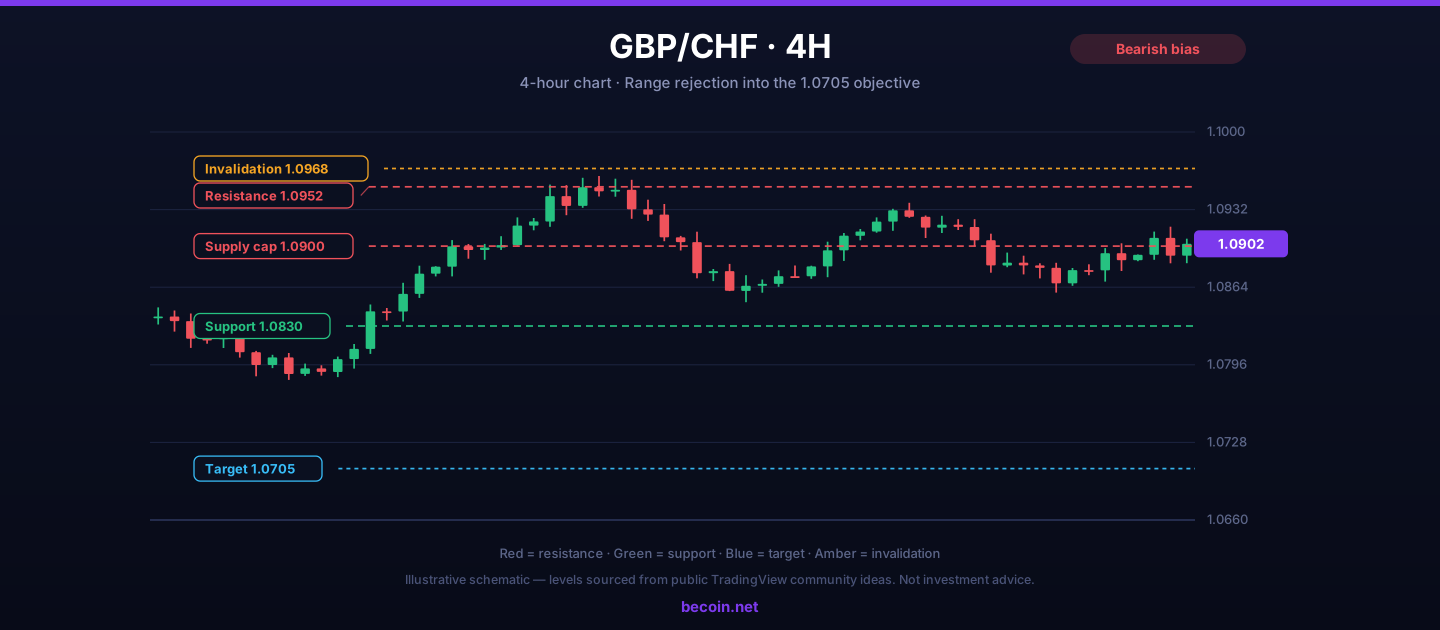
GBP/CHF has spent the past several weeks doing something that frustrates trend traders and rewards patient range traders: it keeps producing lower highs into the same band of offers without ever building enough momentum to break it. Every push toward 1.0950 has been met with sellers, and every dip toward the low 1.0800s has attracted enough demand to keep the floor intact. That is the definition of a compressing range, and compressing ranges usually resolve in the direction of the more persistent pressure.
Right now that pressure looks like it sits on the downside. The franc has been quietly firm, sterling has lost the interest-rate story that carried it through the first half of the year, and the pair has stopped making higher highs. None of that guarantees a breakdown, but it does mean the burden of proof has shifted onto the buyers.
What the GBP/CHF forecast hinges on
Four numbers matter more than the rest:
- 1.0952 is the ceiling. Multiple rejections have printed there, and it is the level that separates a range from a genuine recovery.
- 1.0900 to 1.0930 is the supply cap inside the range. Rallies that stall here rather than reaching the ceiling are a tell that sellers are getting more aggressive.
- 1.0830 is the shelf that has held every meaningful pullback. Losing it on a closing basis is the trigger, not a wick through it.
- 1.0705 is where the measured move from the range projects to. It also lines up with the last untested demand pocket beneath the current structure.
The bearish path, step by step
The cleanest version of this idea does not involve chasing. It involves waiting for price to rally back into 1.0875 to 1.0895, showing rejection there on a four-hour close, and then working down toward the 1.0830 shelf. A daily close beneath 1.0830 opens the door to 1.0790 first, then the wider 1.0705 objective.
The risk-to-reward on that structure is genuinely attractive. Entering into strength near 1.0885 with invalidation above 1.0968 risks roughly 80 pips to target something in the region of 180 pips. That is the kind of asymmetry that lets a strategy survive being wrong more often than it is right.
The sequence to respect
Breakdowns from long ranges rarely go in a straight line. Expect a retest of the broken 1.0830 shelf from underneath before the move extends. Traders who miss the initial break usually get a second, lower-risk entry on that retest, and it is generally the better one.
What invalidates this
A four-hour close above 1.0968 does two things at once: it takes out the swing high and it removes the lower-high sequence that the entire bearish case rests on. At that point the sensible read flips to a range expansion higher, with 1.1033 the next reference. There is no shame in standing aside once the structure that justified the trade is gone.
The other invalidation is slower and easier to miss. If price grinds sideways between 1.0860 and 1.0910 for a week without either side committing, volatility is being wrung out of the pair and the eventual break becomes a coin flip. Reduced size or no position is the correct answer there.
The macro overlay
Two calendars drive this pair. UK inflation and labour data set the tone for sterling, while Swiss National Bank commentary and global risk appetite set the tone for the franc. The franc tends to catch a bid when equity volatility rises, which means a risk-off session can do more for this idea in a single afternoon than a week of technical grinding.
Anyone who wants the macro calendar and the level work delivered together rather than assembled by hand can follow the Becoin.net Premium Forecast for updated currency projections, and compare access options on the Becoin.net Tariff Plans page.
Managing the position
Because this is a range-to-trend transition idea rather than an established trend, position sizing should reflect the higher failure rate of those setups. A reasonable approach is to risk half of a normal unit on the initial rejection entry and add the second half only after 1.0830 has broken and been retested successfully.
Move stops to breakeven once 1.0790 trades, and take partial profit into 1.0750 rather than holding out for the full 1.0705 print. Round-number magnetism is real, and the last twenty pips of any measured move are the ones most often left on the table.
The bottom line
GBP/CHF is not a breakout story yet. It is a pair with a clear ceiling, a clear floor and a slow drift toward the floor. Trade the edges, respect 1.0968, and let 1.0830 tell you whether this is a range that holds or a range that breaks.
This analysis is educational and does not constitute investment advice. Trading foreign exchange carries substantial risk of loss.
Risk Management for Small Accounts ($10–$50)
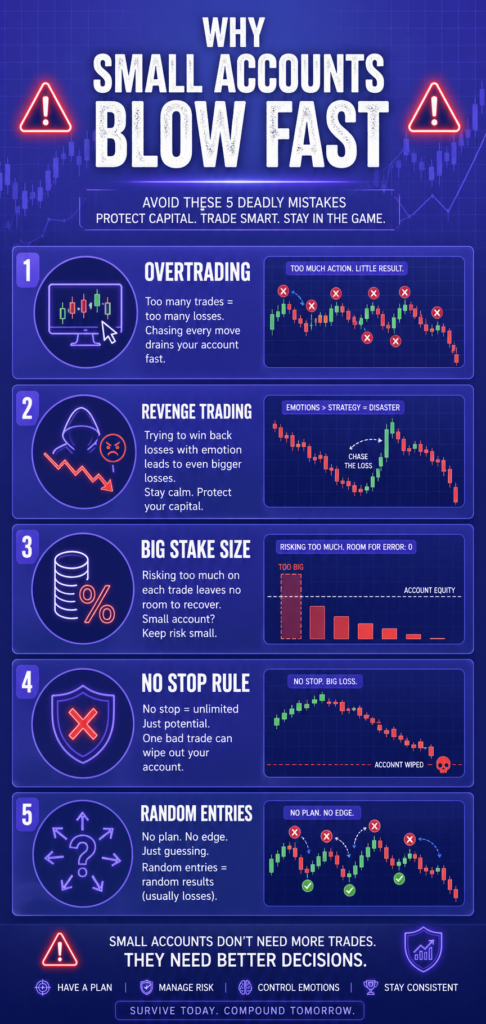
Starting with a small trading account can feel frustrating. You want fast growth, but one bad decision can wipe out weeks of progress. That is why risk management matters more for a $10 account than for a $1,000 account. Many beginners focus only on strategy. They search for the best indicators, signals, or entry methods. […]

Trading Currency Strength Instead of Single Pairs
It was a Tuesday afternoon when I realized I was fighting a losing battle against a ghost. My screen was a chaotic web of indicators. I had the EUR/USD chart open, a moving average crossing over here, a relative strength index flashing oversold there, and a price action setup that looked textbook perfect. I clicked […]

The Clock and the Candle: How I Stopped Guessing the Best Time to Trade Day Trading
I still remember the night I blew my third trading account. It was 11:30 PM. The house was completely quiet, the market charts on my screen were barely crawling, and I was forcing trades out of pure impatience. I kept staring at a flatline asset, placing one-minute positions, convinced that the market owed me a […]

Which Broker Has Better Risk Management Tools?
The burning smell of my own account blowing up is a scent I will never forget. It was a rainy Tuesday afternoon a few years back. I sat huddled over my laptop, watching a currency pair oscillate. Confident, arrogant, and entirely unprotected, I clicked buy. Minutes later, a sudden market spike completely wiped out my […]
IQ Option vs Deriv Chart Comparison
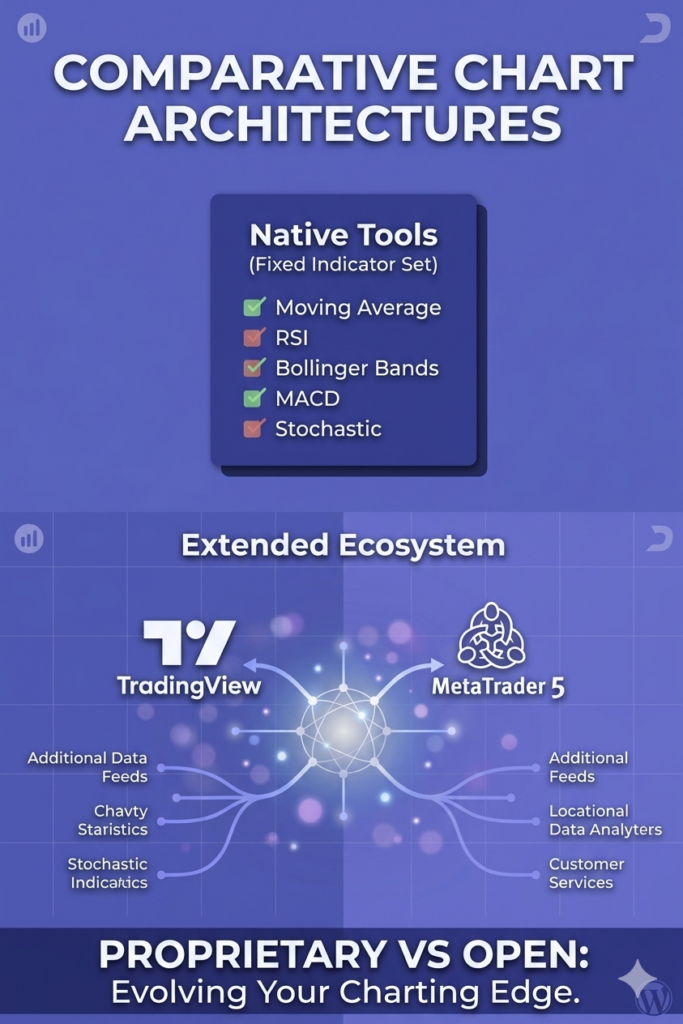
The Night I Realized My Charts Were Lying to Me It was three in the morning, the exact hour when the market looks either like a goldmine or a psychological hazard. I was sitting in front of two monitors, a lukewarm mug of coffee in hand, watching a critical support level on EUR/USD. On my […]

Which Broker Has the Cleanest Interface? Real Comparison for Beginners in 2026
Looking for the cleanest trading interface in 2026? Compare Binomo, IQ Option, Quotex, Deriv, and more based on speed, layout, usability, mobile experience, and beginner friendliness. When most beginners choose a broker, they focus on bonuses, payouts, or deposit methods. But after testing multiple platforms for months, I realized something surprising: A messy interface can […]